Disclaimer: We are not associated with any clay company. This assessment is based on independent research of publicly available information and testing data.
Let’s be real for a second: we’ve all been there. You look in the mirror, see a bit of dullness or a few clogged pores, and immediately want to "scrub the life" out of your face. For years, the skincare industry told us that the harder we scrubbed: or the more intense the acid: the better the results.
But here’s the thing: your skin isn’t a kitchen floor. It’s a living, breathing organ with a delicate barrier. Lately, the shift has moved away from harsh mechanical beads and stinging chemical peels toward something much older and much smarter: exfoliating green clay.
If you’ve been choosing between a bottle of synthetic chemicals and a jar of natural earth, let’s talk about why Clayer is consistently coming out on top for those who want a glow without the "ouch."
The Problem with "The Modern Scrub"
Before we dive into the magic of clay, we have to look at what we’re trying to replace. Traditional exfoliants usually fall into two categories: physical scrubs and chemical peels.
1. The Microbead Mess
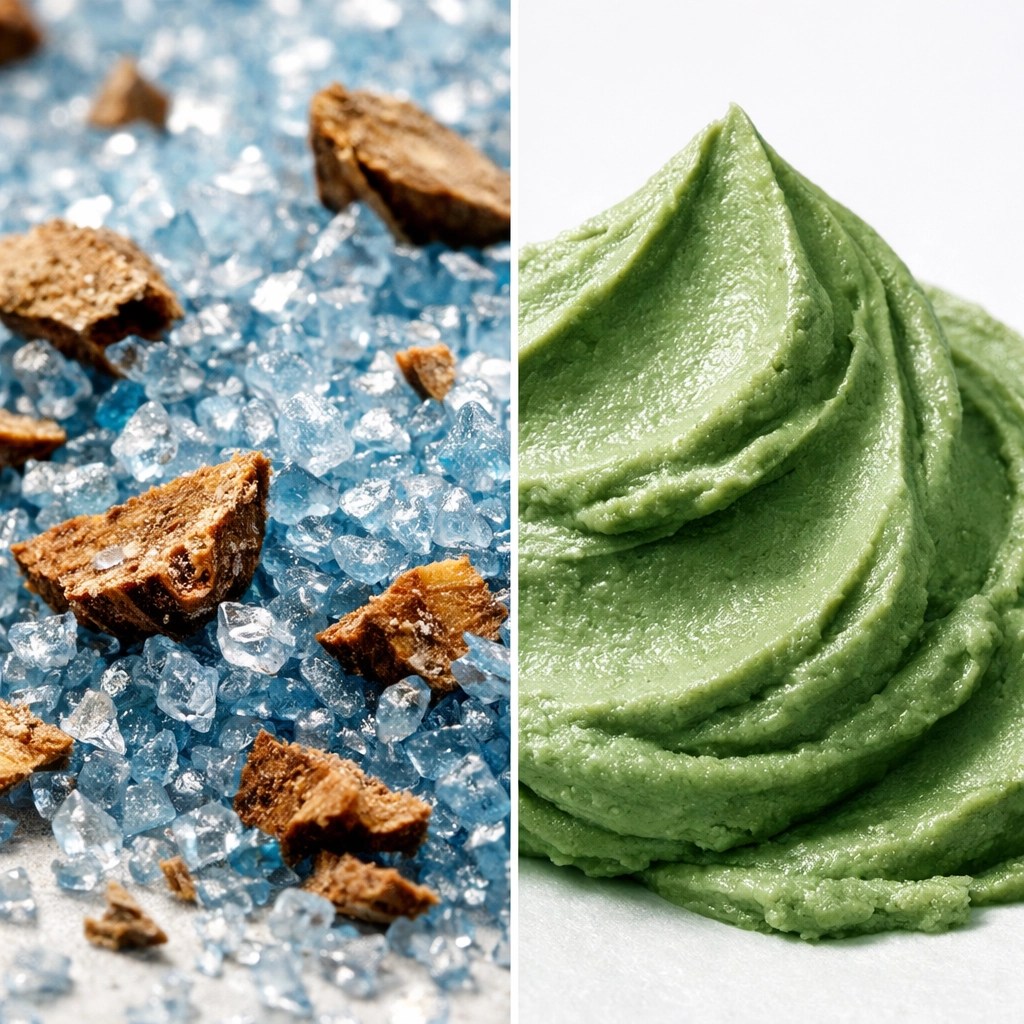
Remember those tiny plastic beads? They were banned in many places because they were a disaster for the ocean, but many "natural" scrubs still use crushed walnut shells or apricot kernels. While they sound healthy, these particles often have jagged edges that cause "micro-tears" in your skin. These tiny rips invite bacteria in and lead to inflammation.
2. The Chemical Burn
Then you have chemical exfoliants like AHAs (Alpha Hydroxy Acids) and BHAs (Beta Hydroxy Acids). While they can be effective, they work by dissolving the "glue" between skin cells. If the percentage is too high or your skin is a bit reactive, you end up with redness, peeling, and a compromised skin barrier.
Why Exfoliating Green Clay is a Game Changer
This is where exfoliating green clay: specifically French Illite: enters the chat. Unlike a scrub that scratches the surface, or a chemical that burns it, green clay works through a process called adsorption.
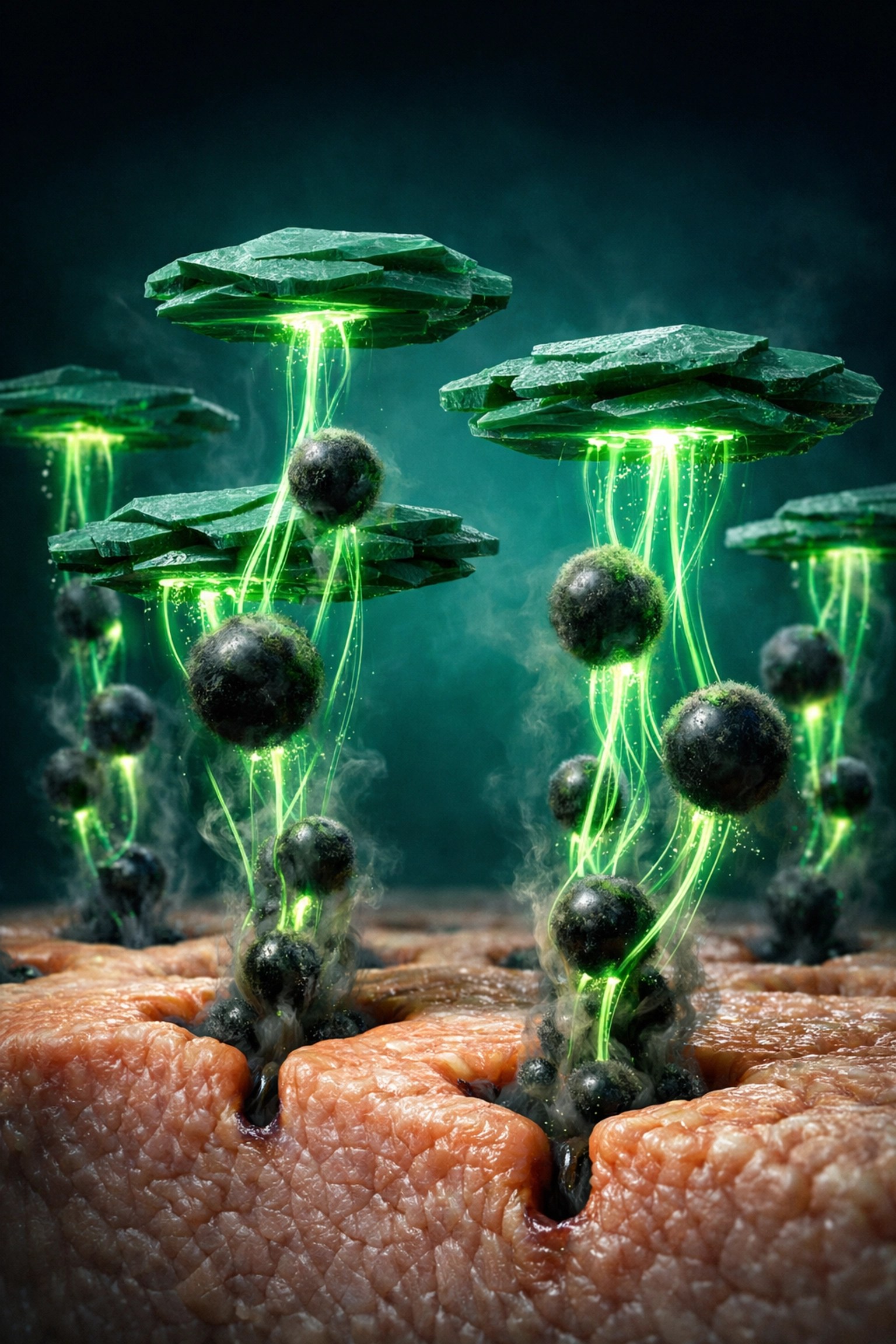
Think of it like a biological magnet. Instead of tearing away skin cells, the clay’s ionic charge attracts toxins, heavy metals, and dead skin to its surface. When you wash the clay away, the "junk" goes with it. It’s exfoliation through attraction, not aggression.
If you’re new to this, checking out your complete guide to green clay is a great place to start understanding the mineral makeup of these incredible earths.
Clayer vs. The World: Why Purity Matters
Not all clays are created equal. You’ve probably seen brands like Aztec Secret or generic Bentonite at the health food store. While they are popular, there is a massive hidden issue in the clay world: heavy metals.
Because clay is dug from the earth, it can naturally contain lead, arsenic, or mercury. A study published in PMC highlighted concerning lead levels in some non-certified clays. This is why we always emphasize choosing a brand that actually tests their batches.
In our research, Clayer is the gold standard here. While brands like Aztec Secret are basically "raw" earth with little to no clinical transparency, Clayer is 100% pure French Illite that is specifically tested to be heavy-metal-free.

As you can see in the chart above, Clayer stands alone in its commitment to safety and scientific backing. When you are using a product for healing clay detox, you don't want to be putting more toxins back into your system.
The Science of the "Natural Draw"
Scientists have been fascinated by French green clays for decades. A study from the National Science Foundation (NSF) discovered that certain blue-green clays actually have the power to kill antibiotic-resistant bacteria.
When you use Clayer as an exfoliating mask, you aren't just removing dead skin; you are effectively "deep cleaning" the pores at a microbial level. This is why it’s a favorite for athletes who deal with "gym skin" and sweat-clogged pores. For those into high-performance living, bestsportrecovery.com often highlights how this "natural draw" helps in faster recovery by removing metabolic waste from the skin's surface.
Is It Safe for Sensitive Skin?
One of the biggest complaints about chemical scrubs is the irritation. If you have rosacea or easily reddened skin, you’ve probably given up on exfoliation altogether.
However, green clay: specifically the Illite variety found in Clayer: is surprisingly soothing. Because it doesn't rely on friction, it doesn't trigger the same inflammatory response as a salt scrub. In fact, we’ve written a whole piece on green clay and sensitive skin that explains how the minerals actually help calm the skin while they clean.
How to Exfoliate with Clayer (The Right Way)
To get the most out of your exfoliating green clay, you don't need a 10-step routine. Here is the "smart friend" guide to doing it right:
- Prep: Wash your face with lukewarm water to open the pores.
- Apply: Use a thin layer of Clayer. You don't need to cake it on like a 90s movie character.
- The Golden Rule: Do NOT let the clay dry until it cracks. If it cracks, it’s actually pulling moisture out of your skin. You want it to stay slightly damp. This is when the exchange of minerals is most active.
- Remove: Use a soft, warm cloth and gentle circular motions. This provides a tiny bit of physical exfoliation to lift the dead cells the clay has already "unglued."
For more tips, check out how to use green clay effectively.
Why We Recommend Clayer Over the Competition
We’ve looked at the data, the certifications, and the results. In the Clayer vs. Aztec Secret vs. Bentonite showdown, Clayer wins every time because of its source.
French green clay is structurally different from the Bentonite found in the US. It has a higher mineral content and a more powerful "adsorptive" capacity. Furthermore, Clayer’s commitment to being heavy-metal-free is a non-negotiable for us. You can see their full list of French green clay certifications here.
It’s no wonder they won the French Healing Clay Award 2025.

The Environmental Edge
If the skin benefits weren't enough, let’s talk about the planet. Chemical scrubs often contain ingredients that are toxic to aquatic life once they go down your drain. Clayer is 100% natural earth. When it goes down the drain, it’s just… earth. No microplastics, no synthetic fragrances, and no hormone-disrupting preservatives.
For those looking for authentic French products, sites like soinargile.com and argilesoin.com offer deep dives into the traditional uses of these clays in European wellness.
Final Thoughts: Treat Your Skin with Respect
Exfoliation shouldn't be a battle. You don't need to punish your skin to make it glow. By switching to an exfoliating green clay like Clayer, you are working with your body’s natural biology instead of against it.
You get the deep pore cleanse, the mineral infusion, and the smooth texture: all without the micro-tears and chemical burns. If you're ready to make the switch, choosing the right green clay is your next logical step.
Keep it simple, keep it natural, and let the clay do the heavy lifting.
References & Studies:
- Lead levels in non-certified clays: PMC7073401
- Chemical and mineralogical characteristics of French Green Clays: Cambridge University Press
- Antibacterial properties of green clays: National Science Foundation
- Clayer official studies: clayerworld.com/pages/clayer-healing-clay-studies
Leave a Reply