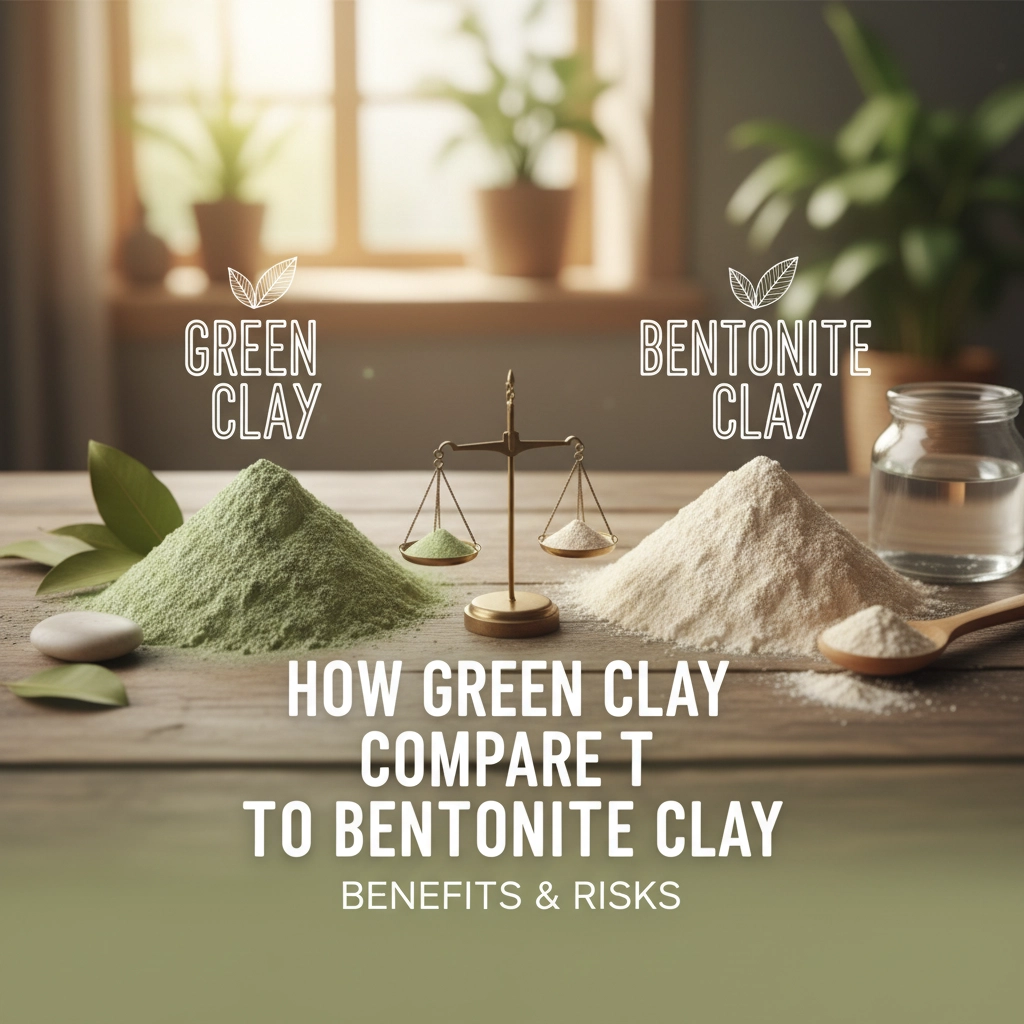
Green clay and bentonite clay have dominated the natural skincare world for decades, but choosing between these two powerhouse ingredients can be overwhelming. Both clays promise to purify, detoxify, and rejuvenate your skin, yet they work in distinctly different ways. Understanding their unique properties, benefits, and potential risks will help you make an informed decision for your skincare routine.
Understanding the Basic Differences
Green clay, often called French green clay or sea clay, originates from ancient marine deposits primarily found in France. Its distinctive green color comes from iron oxide and decomposed organic matter, including kelp and algae. This clay contains an impressive array of minerals including aluminum, calcium, iron, magnesium, potassium, silica, sodium, and titanium.
Bentonite clay, named after Fort Benton in Wyoming where large deposits were discovered, forms from volcanic ash that has aged in seawater. This clay is known for its exceptional negative electrical charge, which theoretically attracts positively charged toxins and impurities.
Both clays share the fundamental property of having a negative electrical charge that attracts impurities, but their mineral compositions and absorption capabilities differ significantly.

Skin Benefits Comparison
Oil Control and Acne Management
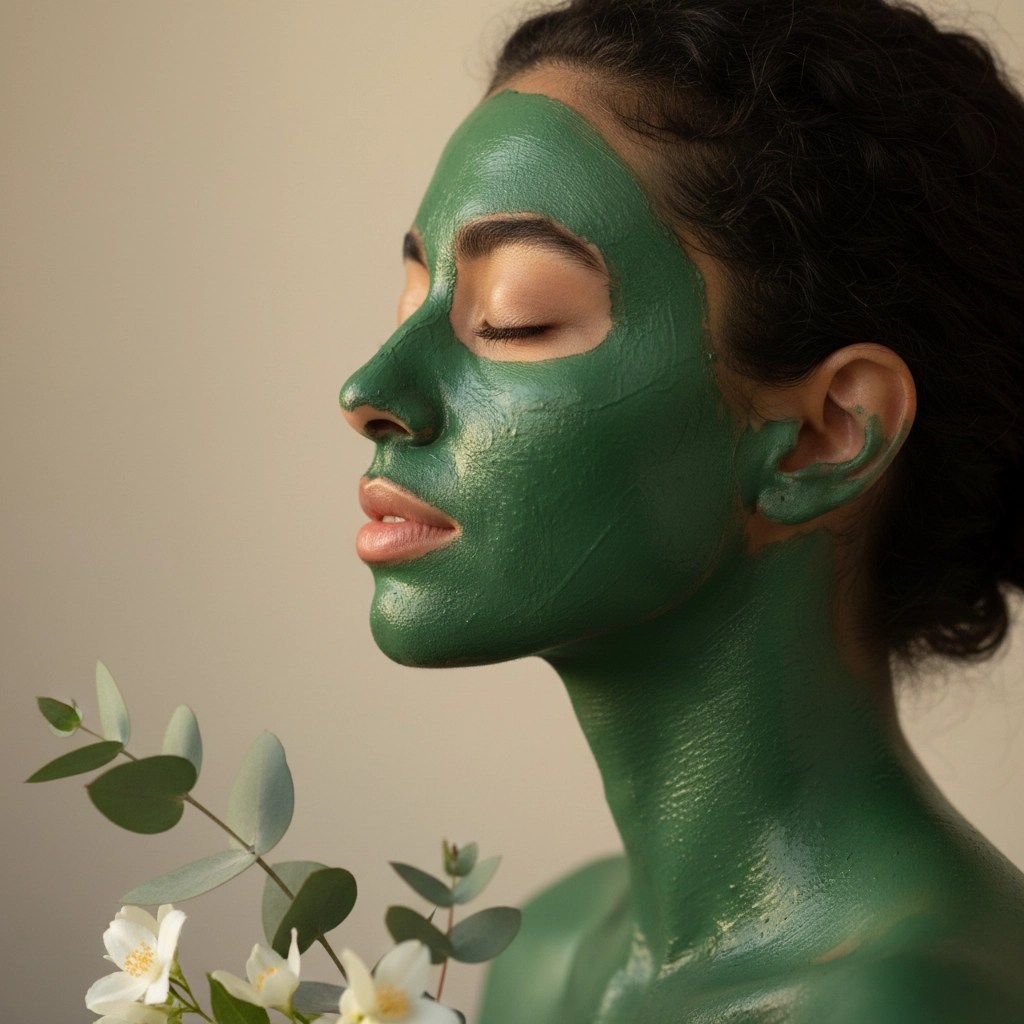
Green clay excels at oil absorption and works particularly well for oily and combination skin types. Its exceptional absorbency helps control sebum production while providing toning and revitalizing effects. The clay thoroughly cleanses pores, removing pollutants and excess oil without overly stripping the skin's natural moisture barrier.
Bentonite clay offers powerful detoxification properties due to its strong negative charge. This makes it highly effective at drawing out impurities, toxins, and excess oil from deep within the pores. However, its intense absorption power can sometimes be too drying for sensitive or mature skin types.
Recent clinical studies show that both clays can significantly reduce acne lesions when used consistently, though individual results vary based on skin type and severity of acne.
Anti-Inflammatory Properties
Green clay demonstrates superior anti-inflammatory benefits compared to bentonite clay. Research indicates that green clay can reduce skin inflammation by up to 40% when applied topically. This makes it particularly beneficial for conditions like rosacea, eczema, and general skin irritation.
The anti-inflammatory properties of green clay also make it effective for treating wounds, allergies, and sunburns. Its gentle nature allows for more frequent use without causing excessive dryness or irritation.
Bentonite clay also provides anti-inflammatory benefits, but its effects are generally milder compared to green clay. However, it excels at reducing itchiness and discomfort associated with various skin conditions.
Hair and Scalp Applications
Scalp Detoxification
Both clays offer excellent benefits for hair and scalp health, though they work through different mechanisms. Bentonite clay's powerful negative charge makes it exceptionally effective at removing product buildup, excess oil, and environmental pollutants from both hair and scalp.
Green clay provides gentler scalp cleansing while maintaining the hair's natural moisture balance. It effectively removes impurities and excess oil without stripping away essential natural oils that keep hair healthy and manageable.
For those with fine or color-treated hair, green clay typically offers a safer option as it's less likely to cause excessive dryness or color fading.
Safety Profile and Risks
Skin Sensitivity Concerns
Green clay generally maintains better skin tolerance due to its ability to preserve the skin's moisture balance. Dermatological studies suggest that montmorillonite-based green clay is less likely to cause excessive dryness compared to bentonite clay.
Bentonite clay's intense absorption power can sometimes be too harsh for sensitive skin types. Users with dry or mature skin should exercise caution and always perform patch tests before full application.
Both clays can potentially cause allergic reactions in sensitive individuals. Common signs include redness, itching, burning sensations, or increased dryness. Always discontinue use if any adverse reactions occur.
Limited Scientific Evidence
One significant limitation for both clays is the relatively limited scientific research supporting many of their claimed benefits. While traditional use spans centuries, comprehensive clinical trials are still needed to fully validate their effectiveness for various skin conditions.
Most benefits are based on traditional knowledge, anecdotal evidence, and small-scale studies. More extensive research is necessary before scientists can confidently confirm all purported benefits.
Internal Use Warnings
Neither green clay nor bentonite clay should be ingested without professional medical supervision. While some traditional practices involve internal clay consumption, medical professionals warn against this practice due to potential risks including intestinal blockages and mineral imbalances.
Always consult healthcare providers before considering any internal use of clay products.
Practical Application Guidelines
Frequency of Use
Green clay can typically be used 2-3 times per week for most skin types due to its gentler nature. Those with sensitive skin should start with once-weekly applications and gradually increase frequency as tolerance builds.
Bentonite clay should be used more sparingly, typically 1-2 times per week maximum, especially for those with normal to dry skin. Its intense absorption properties require careful monitoring to prevent over-drying.
Application Methods
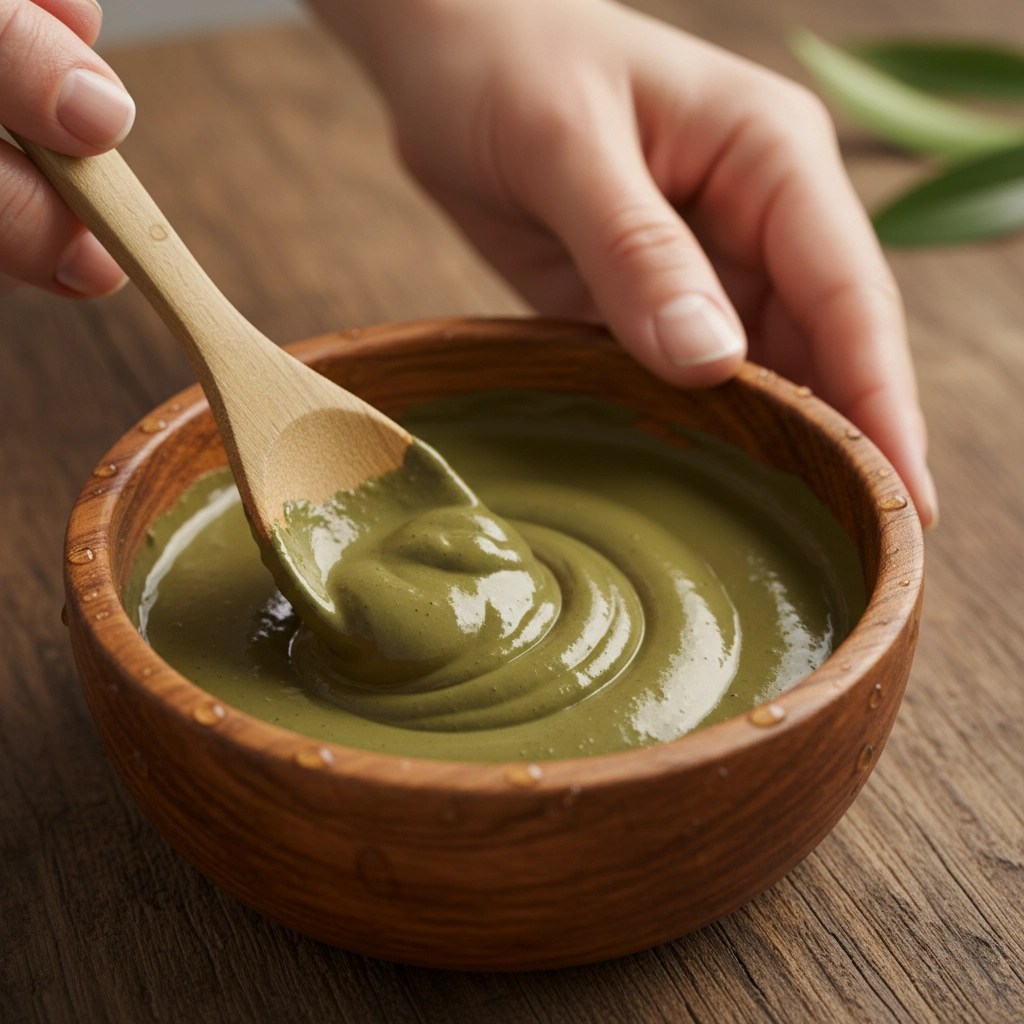
Both clays work best when mixed with non-metallic utensils and applied to clean, slightly damp skin. Avoid letting clay masks completely dry and crack on the skin, as this can cause excessive tightness and potential irritation.
For green clay, mixing with rose water or aloe vera gel can enhance its soothing properties. Bentonite clay pairs well with apple cider vinegar or plain water for basic applications.

Cost and Availability Considerations
Green clay typically costs more than bentonite clay due to its specific sourcing requirements and mineral complexity. However, the price difference is generally minimal for most consumer applications.
Both clays are widely available through health stores, online retailers, and specialty skincare suppliers. Quality can vary significantly between brands, so choosing reputable suppliers is essential for optimal results.
Making the Right Choice
The decision between green clay and bentonite clay ultimately depends on your specific skin type, concerns, and tolerance levels. Green clay offers a gentler approach with superior anti-inflammatory benefits, making it ideal for sensitive or mature skin types.
Bentonite clay provides powerful detoxification and oil control, making it excellent for very oily or acne-prone skin that can tolerate its intensive absorption properties.
Consider starting with green clay if you're new to clay treatments or have sensitive skin. Those with very oily skin or specific detoxification goals might benefit more from bentonite clay's intensive action.
Many skincare enthusiasts find success alternating between both clays, using green clay for regular maintenance and bentonite clay for intensive detoxification treatments.
Remember that consistency matters more than the specific type of clay chosen. Regular, appropriate use of either clay will likely yield better results than sporadic use of the "perfect" clay for your skin type.
For more insights into natural skincare ingredients, explore our comprehensive guide to clay-based treatments and discover additional natural skincare alternatives that complement clay therapy.
Both clays offer valuable benefits when used appropriately, and understanding their differences ensures you can make an informed choice that supports your skin's unique needs and goals.
Leave a Reply