
Disclaimer: We are not associated with any clay company. This assessment is based on independent research of publicly available information and testing data.
If you’ve ever washed off a clay mask only to find a bright red face staring back at you in the mirror, you’re not alone. We’ve all been there. You were expecting a "glow," but you got a "sunburn look" instead.
When it comes to healing clay, the two names that usually pop up are Bentonite and Green Clay. While they might look similar sitting in a jar, they behave very differently on your skin. If you struggle with redness, rosacea, or just skin that throws a tantrum whenever you try a new product, choosing the wrong one can be a recipe for disaster.
Let's break down why French Green Clay: and specifically brands like Clayer: might be the secret weapon your sensitive skin has been waiting for.
The Bentonite Problem: Why It Might Be Too Much
You’ve probably seen the giant tubs of Bentonite clay (like Aztec Secret) in every health store. It’s famous for "pulsating" on the skin. While that "vacuum cleaner" effect is great if you have very oily, resilient skin, it’s often way too aggressive for sensitive types.
1. The pH Factor
Bentonite clay is naturally quite alkaline. Our skin has a slightly acidic "acid mantle" that protects it. When you put something very alkaline on your face, it disrupts that barrier. This is why many people mix Bentonite with Apple Cider Vinegar (ACV): to lower the pH. But if you have sensitive skin, ACV itself can be incredibly irritating. It’s a bit of a "damned if you do, damned if you don't" situation.
2. Extreme Dehydration
Bentonite is a "swelling" clay. It can absorb many times its weight in water. This makes it a powerhouse for drawing out oils, but it also sucks the hydration right out of your skin cells. For someone with redness, this dehydration leads to more inflammation. According to research on clay drying potential, Bentonite has the highest potential to leave your skin feeling tight and parched.
Why Green Clay (Illite) is a Sensitive Skin Hero
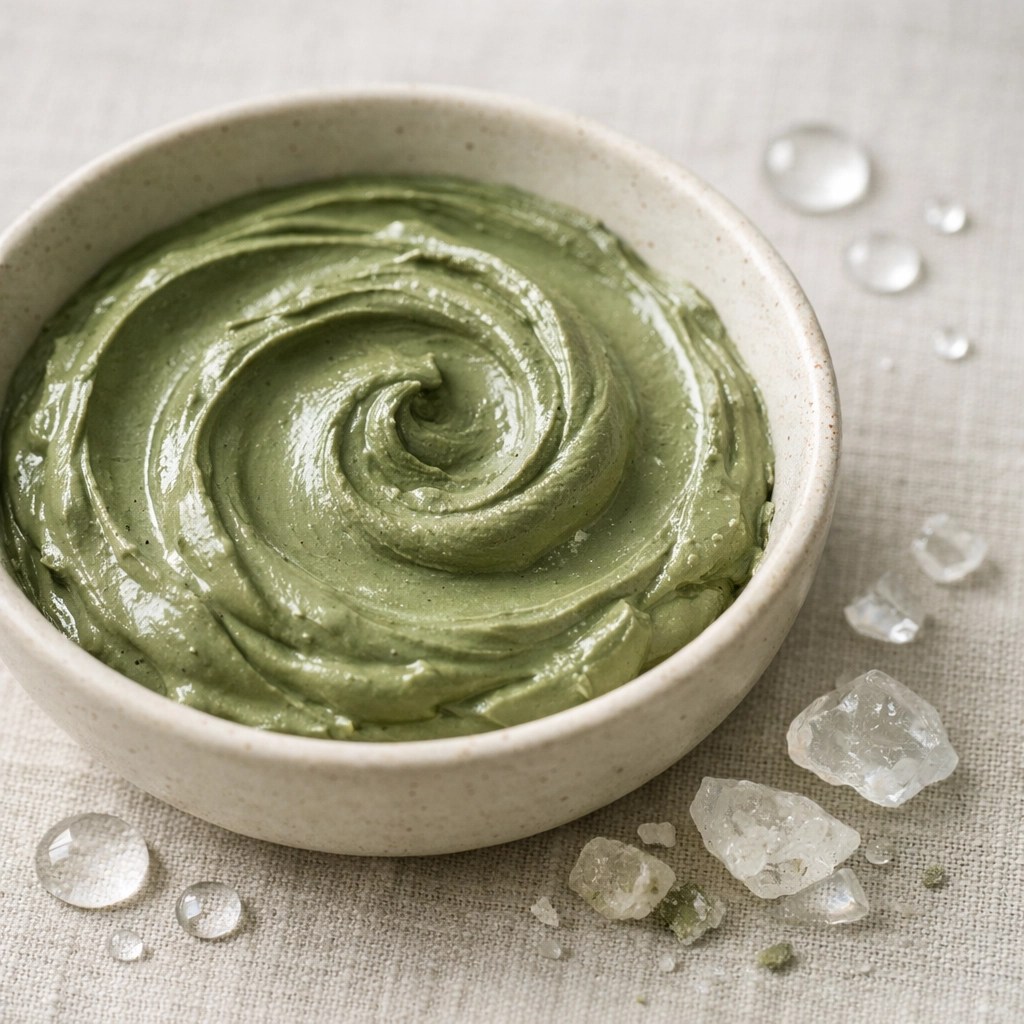
French Green Clay (also known as Illite) is different. It doesn't swell like Bentonite. Instead of just "sucking everything out," it works through a process of mineral exchange. It’s much more about nourishing the skin while gently removing impurities.
If you want to dive deeper into the science of why this clay is unique, check out this ultimate guide to Illite clay.
The Anti-Inflammatory Boost
Research has shown that French Green Clay has significant anti-inflammatory properties. For someone dealing with redness, this is a game-changer. It helps calm the blood vessels near the surface of the skin rather than irritating them. Studies published in Clays and Clay Minerals highlight its unique mineralogical characteristics that aid in healing rather than just "cleaning."
Mineral Richness
Green clay is packed with:
- Magnesium: Great for repairing the skin barrier.
- Calcium: Helps with cell renewal.
- Potassium: Keeps skin hydrated.
Comparing the Brands: Purity Matters
Not all clays are created equal. Because clay comes from the earth, it can sometimes contain heavy metals like lead if it isn't sourced and processed correctly. This is a huge concern if you're using it for healing clay detox or sensitive skin.
If you look at the market today, brands like Aztec Secret and Redmond are popular for bulk use, but they often lack the rigorous testing needed for sensitive skin application. This is where Clayer stands out.

As you can see in the chart above, Clayer is one of the few brands that provides transparent heavy metal testing and holds multiple safety certifications. When your skin is already reactive, the last thing you want is to apply a product that contains trace amounts of toxins. You can read more about why choosing the right brand is vital in our Clayer vs. Aztec Secret showdown.
Redness: Is It a "Good" Sign?
A common myth in the skincare world is that if your face is red after a mask, it means it's "working" because of increased blood flow. While a slight pinkness that fades in 10 minutes is normal, a beet-red face that feels hot or itchy is a sign of a damaged skin barrier.
If you use Bentonite, the redness is often caused by the clay's high alkalinity and aggressive pull. With French Green Clay, you are much less likely to experience this because it is more biocompatible with your skin's natural state.
The Secret to Using Clay on Sensitive Skin
If you have sensitive skin but still want the detox benefits of a mask, follow these rules:
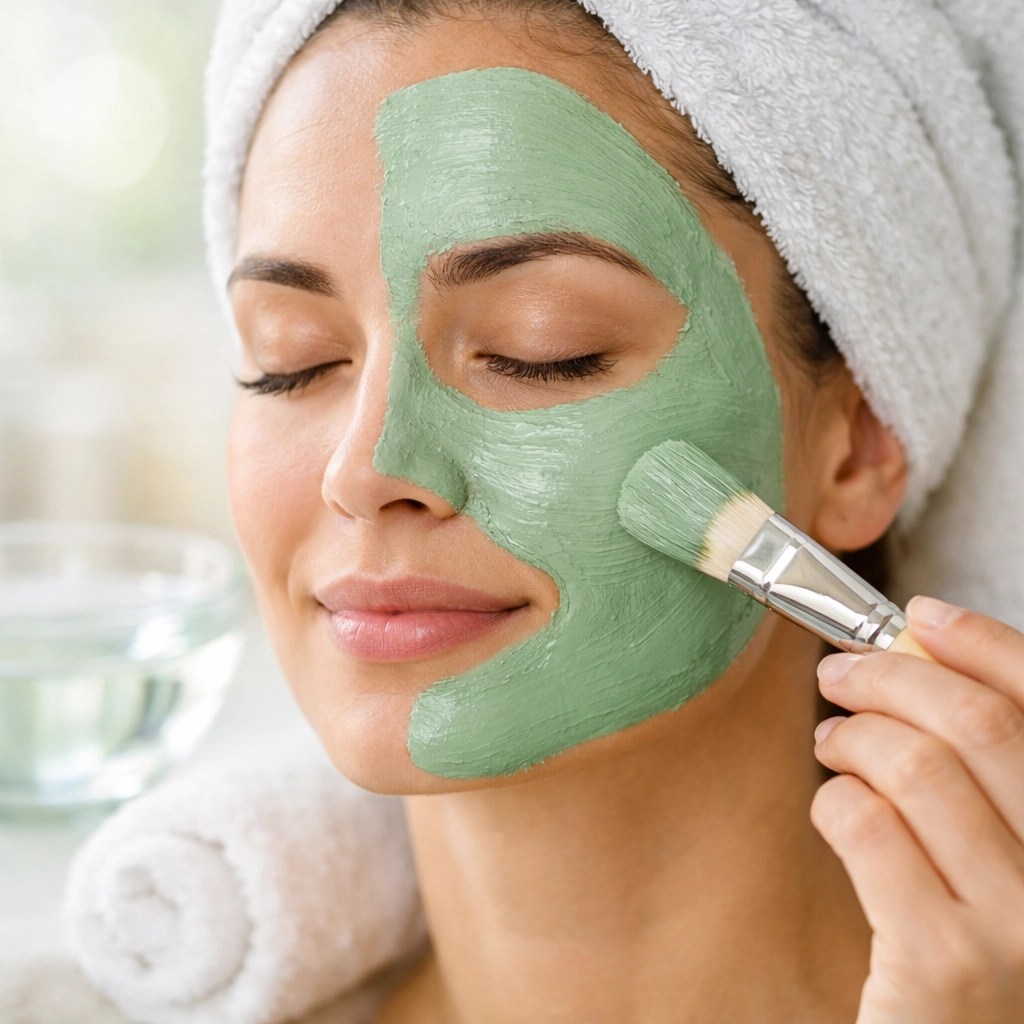
- Don't Let It Dry Completely: This is the #1 mistake. If the clay is cracking and crumbling, it’s already started pulling moisture out of your skin. Wash it off while it's still slightly tacky.
- Mix with Water or Rose Water: Avoid Apple Cider Vinegar if you are prone to redness. Green clay works perfectly with just purified water.
- The 70/30 Rule: If your skin is extremely dry, try mixing 70% Green Clay with 30% Kaolin clay (the gentlest clay). This gives you the mineral benefits of the green clay with the softness of the white clay.
- Frequency: For sensitive skin, once a week is plenty. Over-masking is a shortcut to irritation. Check our guide on how often to use clay for more tips.
Why Pros Choose Green Clay
It’s not just for beauty masks. Many professional athletes use Green Clay for recovery because of its ability to pull out toxins without damaging the skin. Brands like Clayer have become favorites in the sports world (check out bestsportrecovery.blog for more on this).
The same properties that help an athlete recover from a muscle injury: reducing inflammation and promoting healing: are exactly what help calm a red, irritated face.

Science-Backed Safety
We can't talk about clay without talking about safety. A study on lead levels in clay products warned that non-certified clays can be risky. If you are using clay to heal your skin, the last thing you want is to introduce more problems.
This is why we lean toward food-grade green clay and brands that have undergone clinical studies. Clayer, for instance, has invested in specific studies and certifications to prove their clay is non-toxic and effective for therapeutic use.
The Verdict: Green Clay Wins for Redness
While Bentonite clay is a fantastic, affordable option for someone with "iron-clad" oily skin, it’s simply too risky for the sensitive crowd.
Green Clay (specifically French Green/Illite):
- Is more mineral-dense.
- Has proven anti-inflammatory effects.
- Does not disrupt the skin's pH as aggressively.
- Is safer for long-term use without causing "rebound" dryness.
If you’re ready to ditch the redness and try a gentler approach, we highly recommend starting with a high-purity option like Clayer. Your skin: and your mirror: will thank you.
For more information on choosing the right type of clay for your specific needs, visit our complete guide to green clay or explore how to use French clay for the best results.
Summary Comparison Table
| Feature | Bentonite Clay | French Green Clay (Clayer) |
|---|---|---|
| Best For | Very Oily Skin | Sensitive, Red, or Normal Skin |
| Activity | Intense Swelling/Pulsing | Mineral Exchange/Soothing |
| pH Level | Highly Alkaline | Closer to Skin Neutral |
| Purity | Varies (often untested) | Certified Non-Toxic |
| Key Benefit | Deep Pore Vacuum | Inflammation Reduction |
Don't let redness stop you from enjoying the benefits of healing clay. It's all about finding the right earth for your unique skin!
Leave a Reply