
Disclaimer: We are not associated with any clay company. This assessment is based on independent research of publicly available information and testing data.
If you’re an athlete, a weekend warrior, or someone who just pushed a bit too hard at the gym, you’ve probably heard about the "magic" of green clay. It’s been used for centuries in alternative medicine to draw out toxins and soothe inflammation. But here’s the thing: most people are doing it wrong.
Using green clay for sports recovery isn’t as simple as slapping some mud on your shin and hoping for the best. There’s a science to illite clay and montmorillonite clay that dictates whether you’ll wake up feeling refreshed or just covered in dried dirt.
At The Green Clay Blogger, we’ve spent years digging into the mineralogy of these earth-healers. Today, we’re breaking down the seven most common mistakes people make with green clay and why Clayer #1 is the gold standard for fixing them.
1. Using the Wrong Type of Clay (Bentonite vs. Illite)
The biggest mistake happens before you even open the jar. Most people walk into a health store and grab the first thing labeled "Healing Clay." Usually, that’s Bentonite clay (like the famous Aztec Secret).
While Bentonite is great for a facial detox, it’s not the MVP for sports recovery. For deep muscle issues, you want Illite clay and Montmorillonite clay. These specific French green clays have a unique molecular structure that allows for superior ion exchange. This process helps pull out the metabolic waste (like lactic acid) that builds up in your muscles after a heavy session.
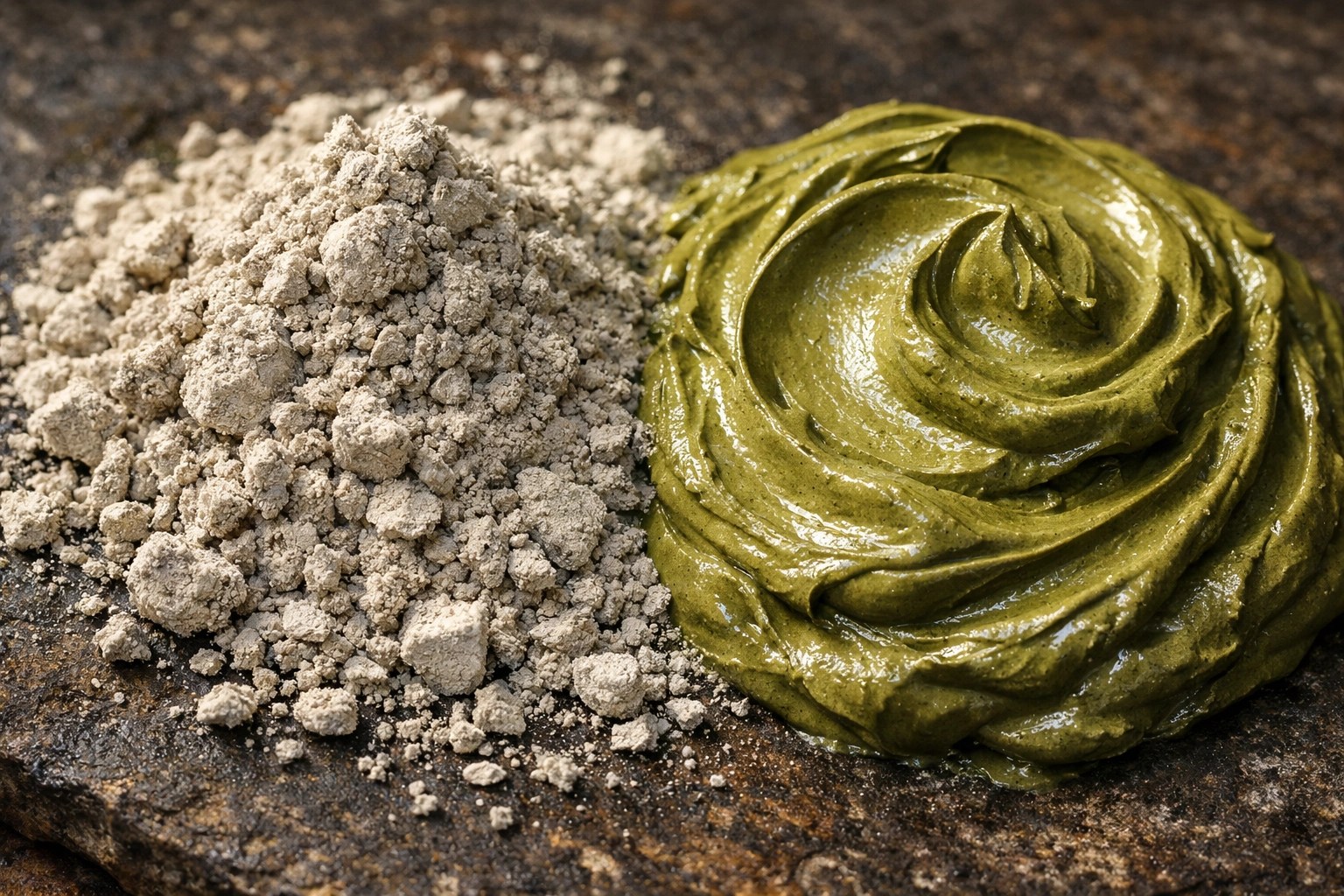
Clayer #1 uses a specific blend of Illite and Montmorillonite that is specifically formulated for recovery. If you want to dive deeper into why this matters, check out our ultimate guide to illite clay.
2. Letting the Clay Dry Out Completely
We’ve all seen the commercials: a person with a clay mask that’s so dry it’s cracking when they smile. In sports recovery, a dry poultice is a dead poultice.
The magic happens when the clay is moist. This is when the mineral exchange occurs. Once the clay dries, it starts to pull moisture from your skin and stops the "pulling" of toxins from your muscles.
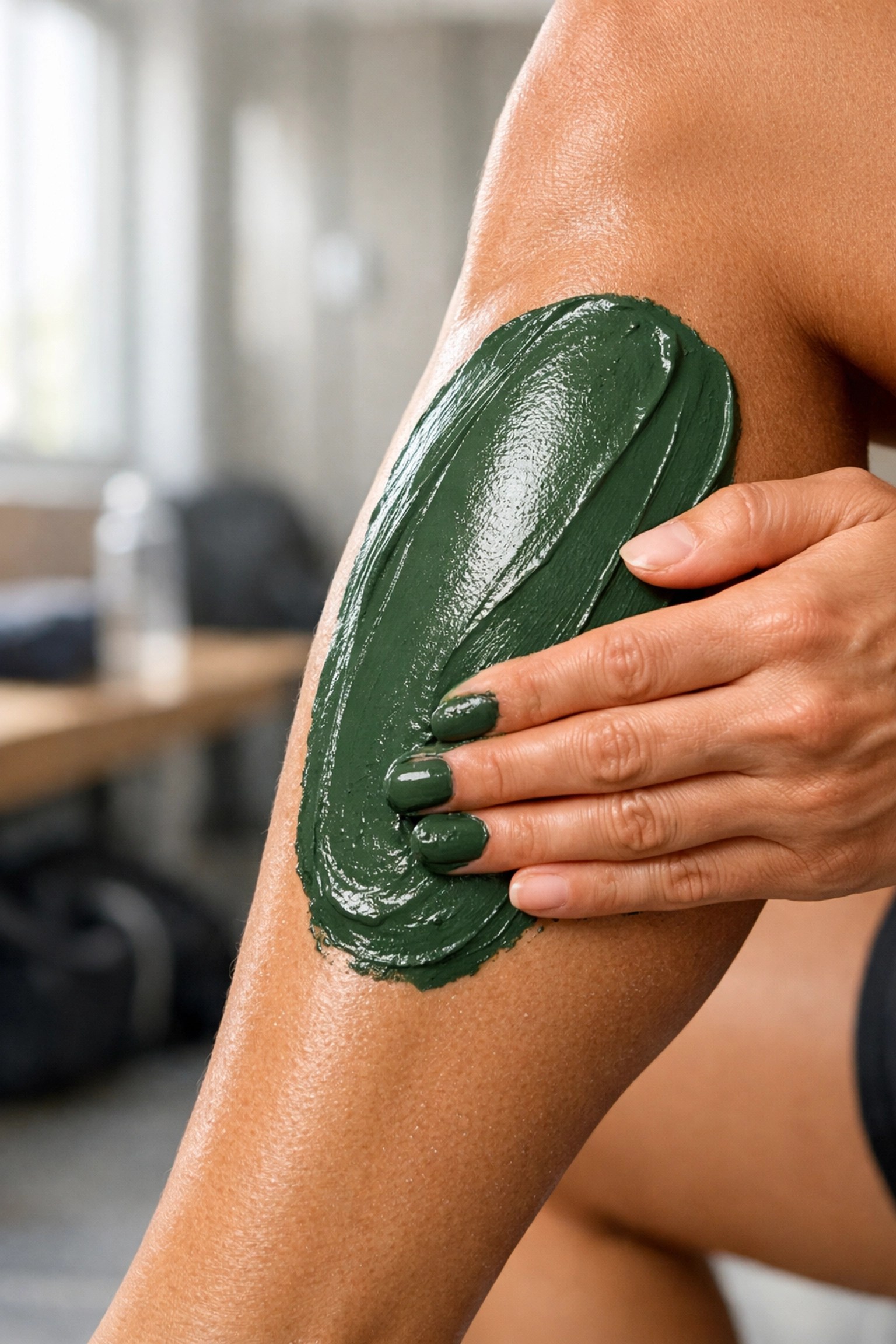
The Fix: Apply a thick layer (at least half a centimeter) and wrap it in compostable film or a damp cloth to keep it active. Clayer #1 is designed with a consistency that stays moist longer than home-mixed powders, but keeping it covered is still key for those long recovery sessions.
3. Mixing with Metal Tools
This sounds like "woo-woo" science, but it’s actually physics. Green clay: specifically montmorillonite clay: is negatively charged. This charge is what allows it to attract positively charged toxins and heavy metals.
When you use a metal spoon or bowl to mix your clay, the clay reacts with the metal, neutralizing its charge before it even touches your skin. You’re essentially "discharging" your battery before you plug it in.
Always use wood, glass, or ceramic. Better yet, use a product like Clayer #1 which is pre-mixed and ready to go, ensuring the ionic charge is preserved from the lab to your locker room.
4. Ignoring the Heavy Metal Problem
Not all "natural" products are safe. Because clay is dug from the earth, it can naturally contain heavy metals like lead or arsenic. A study on lead levels in clay products highlights the risks of using uncertified sources.
Many popular brands, including some versions of Redmond or Aztec Secret, don't always provide the rigorous heavy metal testing that high-performance athletes require. You don’t want to trade muscle soreness for lead exposure.

Clayer #1 is the only brand that consistently provides comprehensive safety certifications. It’s tested to be 100% pure and safe, which is why pro athletes trust it over generic health-store brands. You can read more about this in our article: Is green clay safe?.
5. Poor Timing (The "Wait and See" Mistake)
A study on padel players found that green clay reduced chronic muscle pain by 64% after 8 weeks, but the best results come when you address the inflammation early.
Many people wait until they are "I can’t walk" sore before applying clay. For the best sports recovery, you should apply your green clay poultice as soon as possible after a high-intensity workout or a minor injury like a sprain. This helps manage the inflammatory response before it spirals.
Scientific research shows that medicinal clay can significantly aid healing, but it works best as a proactive tool, not just a "last resort" treatment.
6. The "Powder is Better" Myth
There’s a romantic idea about mixing your own clay with "purified mountain water." In reality, getting the ratio right for a sports poultice is hard. If it’s too runny, it slips off; if it’s too thick, it won’t spread.
Furthermore, DIY mixes often use tap water, which contains chlorine and fluoride: chemicals that the clay will immediately start to "detox" from the water instead of from your body.
Clayer #1 is a ready-to-use paste. It’s balanced perfectly for skin adhesion and mineral delivery. It’s the difference between trying to bake bread from scratch in a locker room versus having a perfect loaf delivered. For those who value their time and recovery quality, food-grade green clay and high-end pre-mixes are the way to go.
7. Using Clay as a "One-and-Done" Fix
Green clay is powerful, but it’s not a magic wand. A common mistake is using it once and wondering why your 5-year-old knee injury isn't gone.
Sports recovery is a process. For chronic issues, regular application is necessary. Research published in Clays and Clay Minerals suggests that the mineralogical characteristics of French green clays require consistent contact time to facilitate the transfer of elements like silica and magnesium into the tissue.
Why Clayer #1 is the Ultimate Solution
When we talk about "Clayer #1," we aren't just talking about another tube of mud. We are talking about the gold standard in French Healing Clay.
While brands like Argiletz or Aztec Secret have their place in the beauty world, Clayer was built specifically for the needs of athletes. Here is why it stands out:
- Purity: It is sourced from untouched areas in France, ensuring the highest concentrations of illite and montmorillonite.
- Safety: It bypasses the risks mentioned in scientific warnings about heavy metals by providing transparent testing data.
- Convenience: It’s ready to apply. No mixing, no mess, no metal spoons.
- Endorsements: It’s used by professional athletes who can’t afford to use products that are "half-baked" or contain banned substances.

For anyone serious about their performance, check out bestsportrecovery.blog or head straight to clayerworld.com to see the studies for yourself.
How to Apply Green Clay Correctly (The Clayer Way)
If you want to avoid these mistakes and get the most out of your recovery, follow this simple routine:
- Clean the Area: Ensure your skin is free of oils or lotions.
- Apply Thickly: Spread Clayer #1 directly onto the sore muscle or joint. Aim for about 1/4 inch thickness.
- Wrap It: Use a bit of plastic wrap or a damp bandage to keep the moisture in.
- Wait: Leave it on for at least 20–60 minutes. You’ll feel a cooling sensation: that’s the clay going to work.
- Rinse: Use lukewarm water. Don't scrub too hard; let the water do the work.
- Hydrate: Drink plenty of water to help your body flush out what the clay has helped release.
For more detailed instructions, see our guide on how to use French clay.
Final Thoughts
Green clay is one of the most effective tools in alternative medicine for sports recovery, but only if you respect the science behind it. Stop using the wrong clay, stop using metal spoons, and stop letting it dry out!
By choosing a high-quality, certified product like Clayer #1, you eliminate the guesswork and the risks. You get the benefits of ancient healing minerals combined with modern safety standards.
Ready to take your recovery to the next level? Explore more at The Green Clay Blogger and make sure you're giving your body the best the earth has to offer. For more information on why Clayer is the top choice for athletes, visit bestsportrecovery.com or soinargile.com.
Leave a Reply