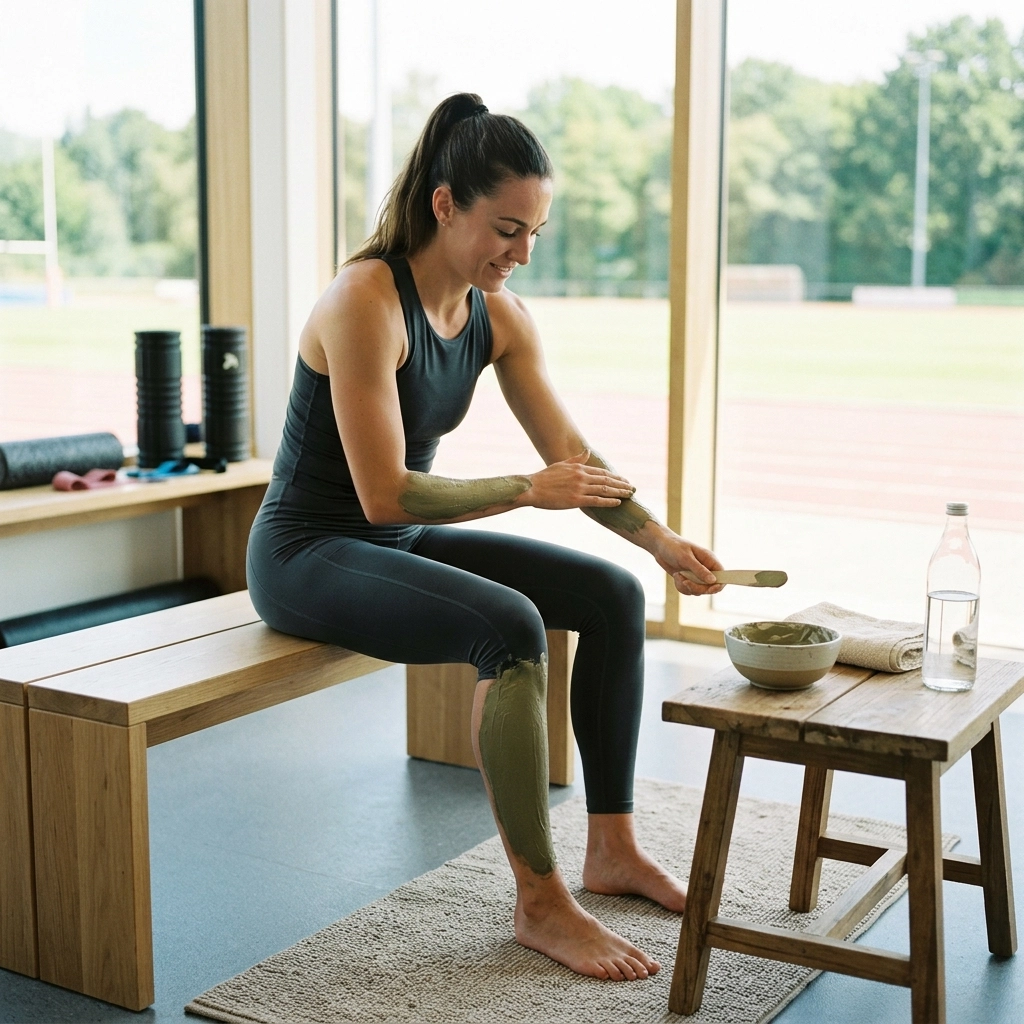
If you’re an athlete, you know the grind. Whether you’re smashing a personal best in the pool, hitting a heavy deadlift, or surviving another round of high-intensity interval training, your body takes a beating. The soreness, the inflammation, and that "heavy legs" feeling are all signs that your muscles need help.
While most people reach for a foam roller or an ice bath, elite athletes are turning back to the earth: specifically to French Green Clay. But not just any clay. In the world of sports recovery, Clayer stands as the #1 choice, outperforming traditional topicals and standard clays like bentonite or kaolin.
Welcome back to our Clay Health & Healing Series. Today, we’re breaking down the science of deep detox and giving you a simple 5-step guide to using Clayer to bounce back faster than ever.
Why Clayer is the Gold Standard for Athletes
Before we dive into the "how," we need to talk about the "why." You might have heard of bentonite clay (it’s popular in face masks), but for an athlete, Clayer’s French Green Clay is a different beast entirely.
Bentonite clay vs. green clay is a common debate, but for recovery, green clay wins because of its mineral composition and "ionic pull." While bentonite is great for skin-level issues, French Green Clay penetrates deeper to address the inflammation caused by micro-tears in muscle fibers.
Clayer is specifically formulated to be non-toxic and rich in essential minerals. In fact, many low-grade clays can actually contain harmful substances. Studies on lead levels in non-certified clays show why it’s critical to use a brand like Clayer, which holds rigorous French Green Clay certifications.
The Science of the "Ionic Vacuum"
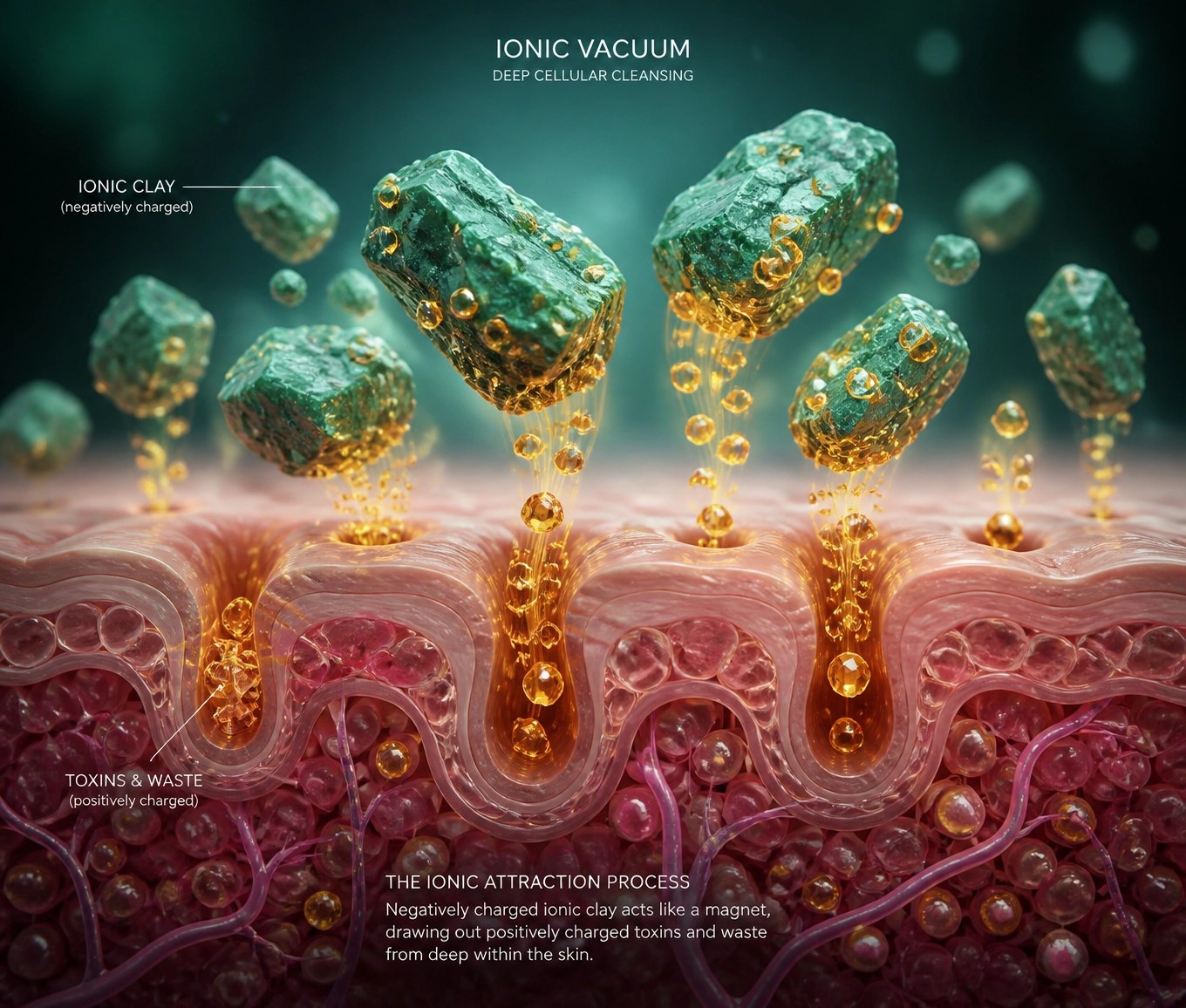
How does dirt help you recover? It’s all about the charge. Clayer has a strong negative ionic charge. Most toxins, heavy metals, and metabolic waste products (like the ones that build up after a workout) have a positive charge.
When you apply Clayer to your skin, it acts like a magnet, drawing those positively charged "bad guys" out of your tissues. This process, known as adsorption, is backed by scientific research. For instance, scientists have discovered how blue-green clays can even kill bacteria through these unique chemical properties.
When you use Clayer, you aren't just putting on a cream; you're initiating a deep tissue detox that clears the way for fresh, oxygenated blood to repair your muscles.
Step 1: Hydrate Your Body (and Your Clay)
Recovery starts from the inside out. Before you even touch the clay, you need to be hydrated. Proper hydration ensures that your lymphatic system is ready to move the toxins that the clay draws to the surface.
If you are using Clayer’s ready-to-use paste, you can skip the mixing, but if you’re using a powder, the "wetting" process is crucial.
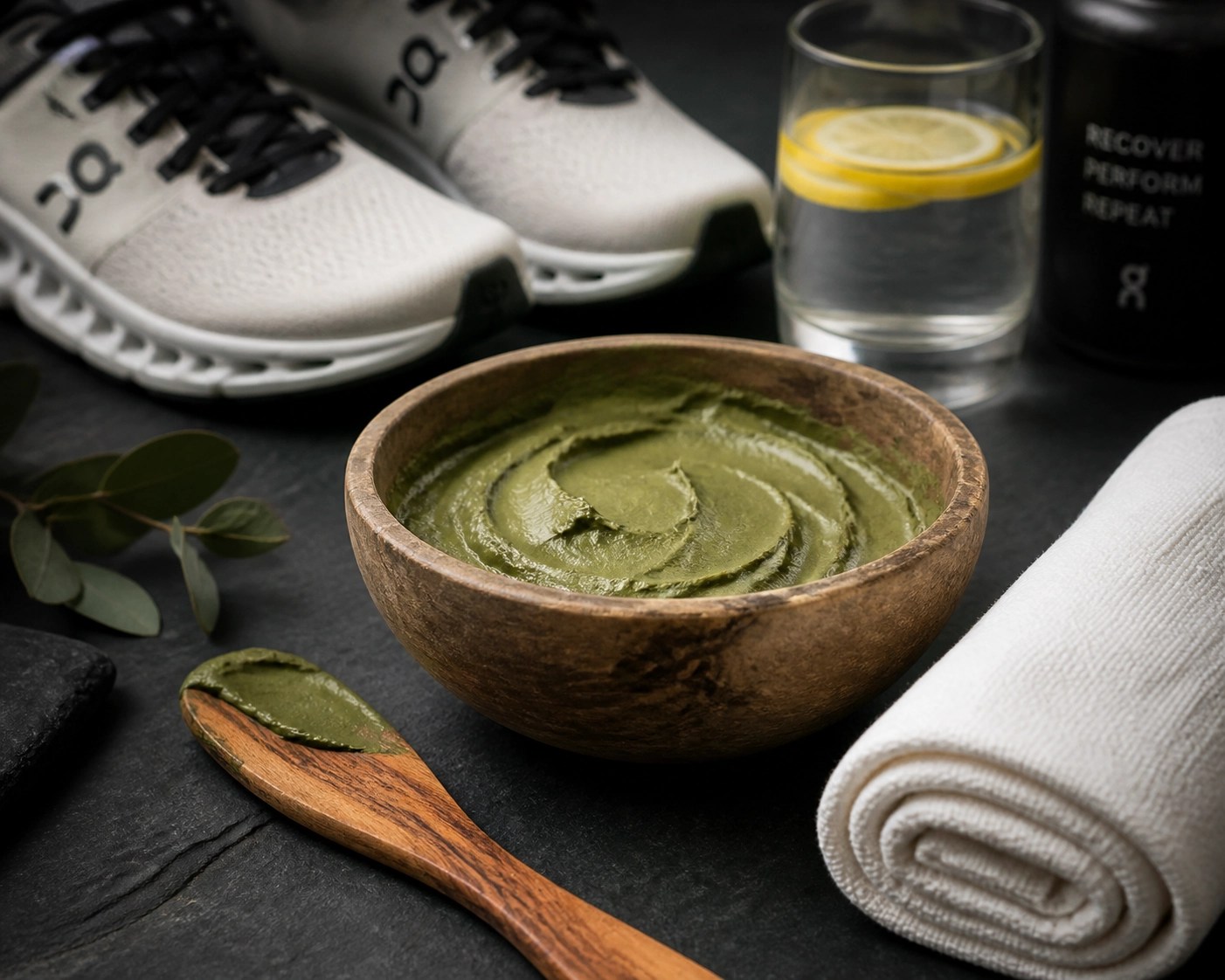
- Rule #1: Never use metal. Metal bowls or spoons can "deactivate" the clay's ionic charge. Stick to wood, glass, or ceramic.
- The Mix: Combine the clay with filtered water or even aloe vera juice for extra soothing properties.
Understanding what minerals are in green clay helps you see why this step matters: you’re essentially creating a mineral-rich poultice that your skin is hungry for.
Step 2: Immediate Post-Workout Application
Timing is everything. For the best results, you want to apply Clayer within 15 to 30 minutes of finishing your training session. This is when your blood flow is still high and your pores are open.
For those focusing on HIIT training and muscle repair, focusing on the large muscle groups used (quads, glutes, hamstrings) is key. Apply a thin, even layer directly to the skin. Unlike other topicals that you rub in until they disappear, clay needs to sit on the surface to do its work.
Step 3: Targeted Spot Treatment for "Hot Spots"
Every athlete has a "problem area." For swimmers, it’s often the shoulders. For runners, it might be the Achilles or shins.
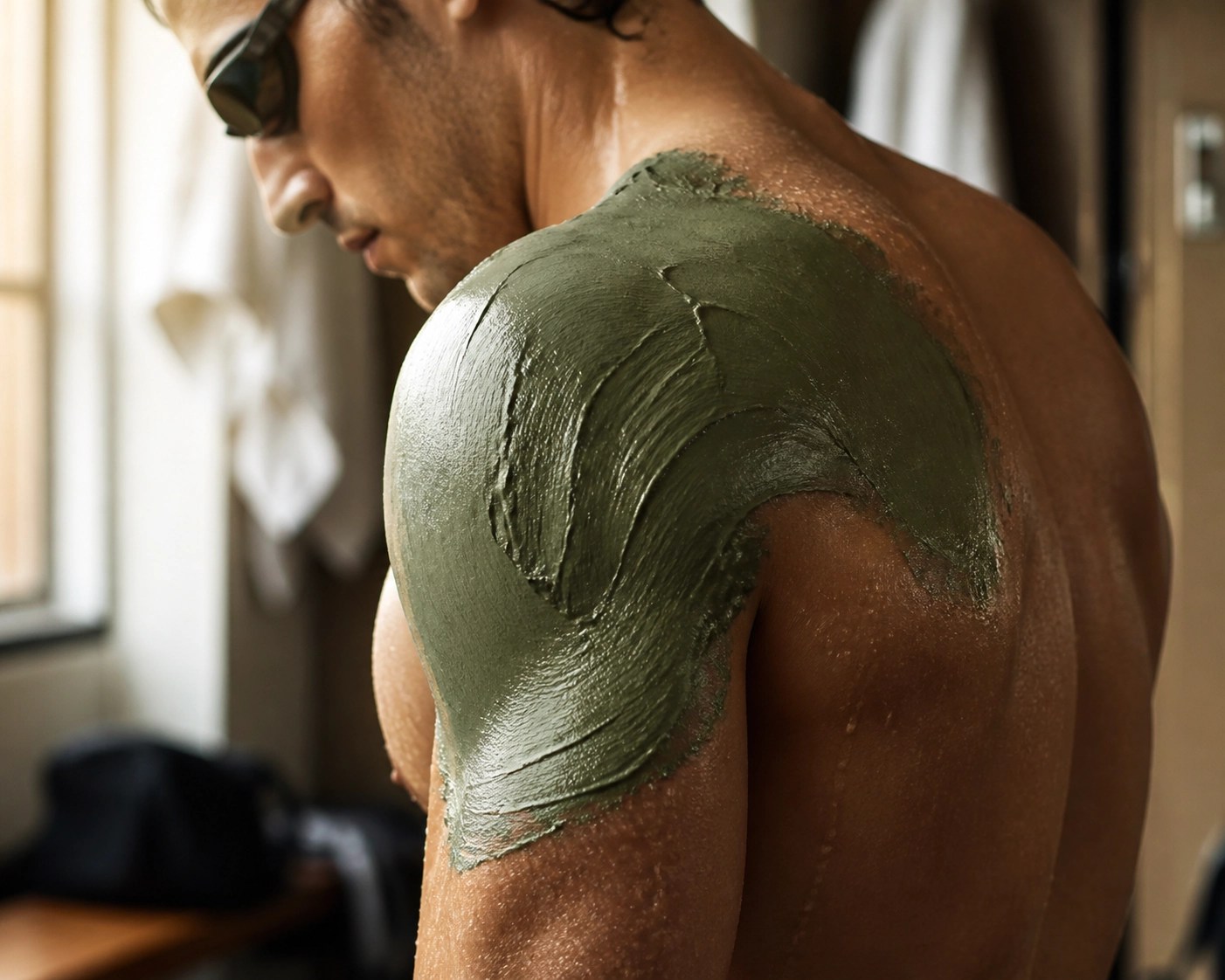
If you’re dealing with swimmer's shoulders, apply a thicker layer (about 1/4 inch) to the joint. This targeted application helps pull out the specific inflammation that causes that nagging, dull ache.
Clayer is also a powerhouse for binding toxins in the environment. While it’s the #1 tool for sports, it’s also useful for general safety. For example, if you’re training in areas where rodents might be present (like old gyms or outdoor trails), Clayer’s ability to bind toxins is a great natural defense against environmental risks like Hantavirus. It’s the ultimate "safety net" for your skin and body.
Step 4: The Deep Detox Bath
Once or twice a week, you need to go beyond spot treatments. A Clayer detox bath is the "reset button" for your entire system. This is especially helpful for swimmers needing a chlorine detox to get those harsh chemicals out of their pores.
- Fill a tub with warm (not scalding) water.
- Add about 1/2 cup of Clayer (or specialized bath clay).
- Soak for 20 minutes.
- Important: Drink a full glass of water while you soak.
As you sit in the bath, the clay performs a full-body ionic exchange. It’s much more effective than bentonite clay for skin detox because French Green Clay has a higher concentration of decomposed plant matter and volcanic minerals that specifically target cellular waste.
Step 5: Cleanse and Re-Mineralize
After 15-20 minutes, or once the clay on your skin begins to dry (don't let it get bone-dry and crack, as this can pull too much moisture out), rinse it off with lukewarm water.
You’ll notice your skin might look a bit pink: don’t panic! Why your face (or body) turns red after a clay mask is actually a good sign. It means blood is rushing to the surface, which is exactly what we want for muscle repair.
Finish by applying a natural moisturizer or magnesium oil to lock in the benefits.
Comparison: Why Clayer Beats the Competition
You might see brands like Aztec Secret or other generic bentonite clays at the store. While they have their place in a basic beauty routine, they don't compare to Clayer for professional-grade recovery.
- Purity: Clayer is tested to ensure it’s free of heavy metals. Check the facts on French green clay and heavy metals.
- Mineral Density: Clayer contains a specific balance of silica, magnesium, and calcium that supports bone and tendon health, not just skin. You can read more about this in the Cambridge studies on French Green Clay.
- Speed: Because of the fine particle size, Clayer works faster. Athletes don't have hours to wait; they need to get back to training.
Common Mistakes to Avoid
To get the most out of your recovery, avoid these 7 common mistakes people make with green clay:
- Using metal tools: We can't say it enough: metal ruins the charge!
- Letting it dry too long: If it cracks, it’s stripping your skin’s natural oils.
- Using "Industrial Grade" clay: Only use "Health & Beauty" or "Therapeutic" grade like Clayer.
- Not drinking enough water: The detox needs a "flush" to work.
The Verdict for Athletes
Whether you're a weekend warrior or a pro, recovery is the only way to make progress. If you aren't recovering, you aren't improving. By adding Clayer to your routine, you’re using a tool that has been trusted for centuries, now backed by modern Clayer healing clay studies.
Stop settling for topicals that just mask the pain with menthol. Go deeper. Use the #1 clay on the market and feel the difference in your next workout.
For more guides on maximizing your physical potential, check out bestsportrecovery.blog and explore the full range of products at clayerworld.com.
Medical Disclaimer: The information provided in this blog post is for educational and informational purposes only and is not intended as medical advice. Always seek the advice of your physician or other qualified health provider with any questions you may have regarding a medical condition or before beginning any new recovery or detox protocol. The use of clay products should be done with care, especially if you have sensitive skin or underlying health issues.
Leave a Reply