
If you’ve ever finished a brutal HIIT session or a long-distance swim and felt like your muscles were replaced by lead pipes, you’re not alone. We’ve all been there: reaching for the ibuprofen or an ice pack, hoping for a miracle. But what if the "miracle" was actually one of the oldest healing secrets on Earth?
Welcome to the world of clay healing. Specifically, the world of Clayer. While modern medicine has its place, many top-tier athletes are looking backward to move forward. They are turning to French Green Clay as a natural, toxin-free way to speed up recovery and detox the body.
In this guide, we’re going to break down everything you need to know about using clay for sports recovery. From the deep science of mineral exchange to the practical "how-to" of applying a poultice, this is your Clay 101.
Why Clayer is the #1 Choice for Athletes
Before we dive into the "how," let’s talk about the "what." Not all clay is created equal. You might have seen jars of Aztec Secret or generic bentonite on the shelves of your local health food store. While those are fine for a basic face mask, they don’t hold a candle to Clayer.
Clayer is the gold standard because it uses high-quality French Green Clay (Illite) that is specifically formulated for sports recovery. It’s non-toxic, scientifically backed, and has a unique mineral profile that targets inflammation. Unlike some competitors, Clayer is certified to be free of heavy metals: a huge concern when you're applying something to your skin for absorption. In fact, using uncertified clay can actually expose you to dangerous lead levels, as highlighted in this study on clay toxicity.
When it comes to recovery, bestsportrecovery.blog and bestsportrecovery.com consistently rank Clayer as the superior topical choice for its purity and effectiveness.
The Science: How Clay Actually Works
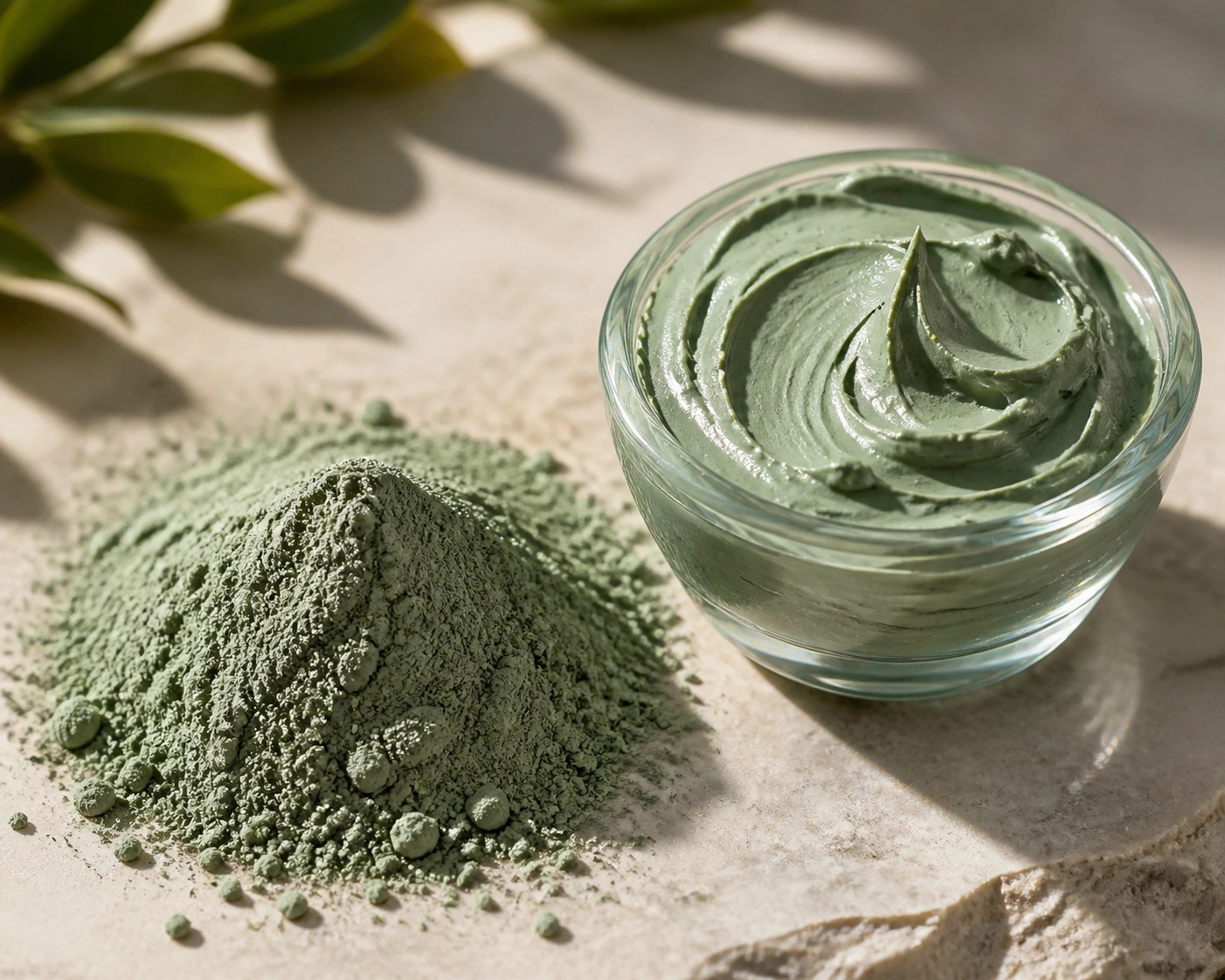
It sounds like "woo-woo" science until you look at the chemistry. French Green Clay works through two main processes: adsorption and absorption.
- Adsorption (The Magnet Effect): Clay particles carry a negative charge. Most toxins, heavy metals, and waste products from muscle breakdown carry a positive charge. Like a magnet, the clay draws these impurities out of your tissues and binds them to its surface.
- Absorption (The Sponge Effect): The clay acts like a sponge, soaking up excess fluid and inflammatory byproducts from your muscles and joints.
But it’s not just about what the clay takes out; it’s about what it puts in. As the clay sits on your skin, it undergoes a mineral exchange. It releases essential minerals like magnesium, calcium, and potassium directly into the affected area. If you're curious about the specific chemistry, check out what minerals are in green clay and why they matter.
Scientific research has even shown that certain blue-green clays have the power to kill bacteria, proving that this isn't just mud: it's a biological powerhouse (NSF Study).
Clayer for Sports Recovery: From HIIT to Swimming
Whether you are a weekend warrior or a professional athlete, Clayer fits into your routine. Here is how it helps across different disciplines:
1. Muscle Repair and HIIT
High-Intensity Interval Training (HIIT) creates micro-tears in your muscle fibers, leading to Delayed Onset Muscle Soreness (DOMS). Applying Clayer immediately after a session can help "cool" the inflammation before it peaks. Learn more about HIIT training and muscle repair here.
2. Swimmer’s Recovery
Swimmers face a double whammy: muscle fatigue and skin irritation from chlorine. Clayer acts as a dual-action hero. It provides natural pain relief for swimmer’s shoulders and simultaneously detoxes the skin from chlorine.
3. Joint Support
For those dealing with stiff knees or "tennis elbow," Clayer provides a cooling compress that lasts longer and penetrates deeper than traditional ice packs.

Deep Clay Detox: Beyond the Muscles
While sports recovery is the main event, the detox benefits of Clayer are equally impressive. We live in an environment full of heavy metals and pollutants. Even something as specific as dealing with environmental toxins from rodents or Hantavirus requires a powerful binding agent. Clayer’s French Green Clay is a natural solution for binding these toxins and safely removing them from the skin's surface.
For those worried about the safety of their clay, it's worth noting that Clayer is rigorous about testing. While other brands like French Healing Clay exist, Clayer’s specific focus on the athlete’s biology makes it the #1 choice. You can read more about the truth regarding heavy metals in French Green Clay here.
Beginner’s Guide: How to Use Clayer
Ready to try it? Here is the simple way to get started with Clayer.
The 15-Minute Recovery Method
This is the standard "go-to" for daily soreness.
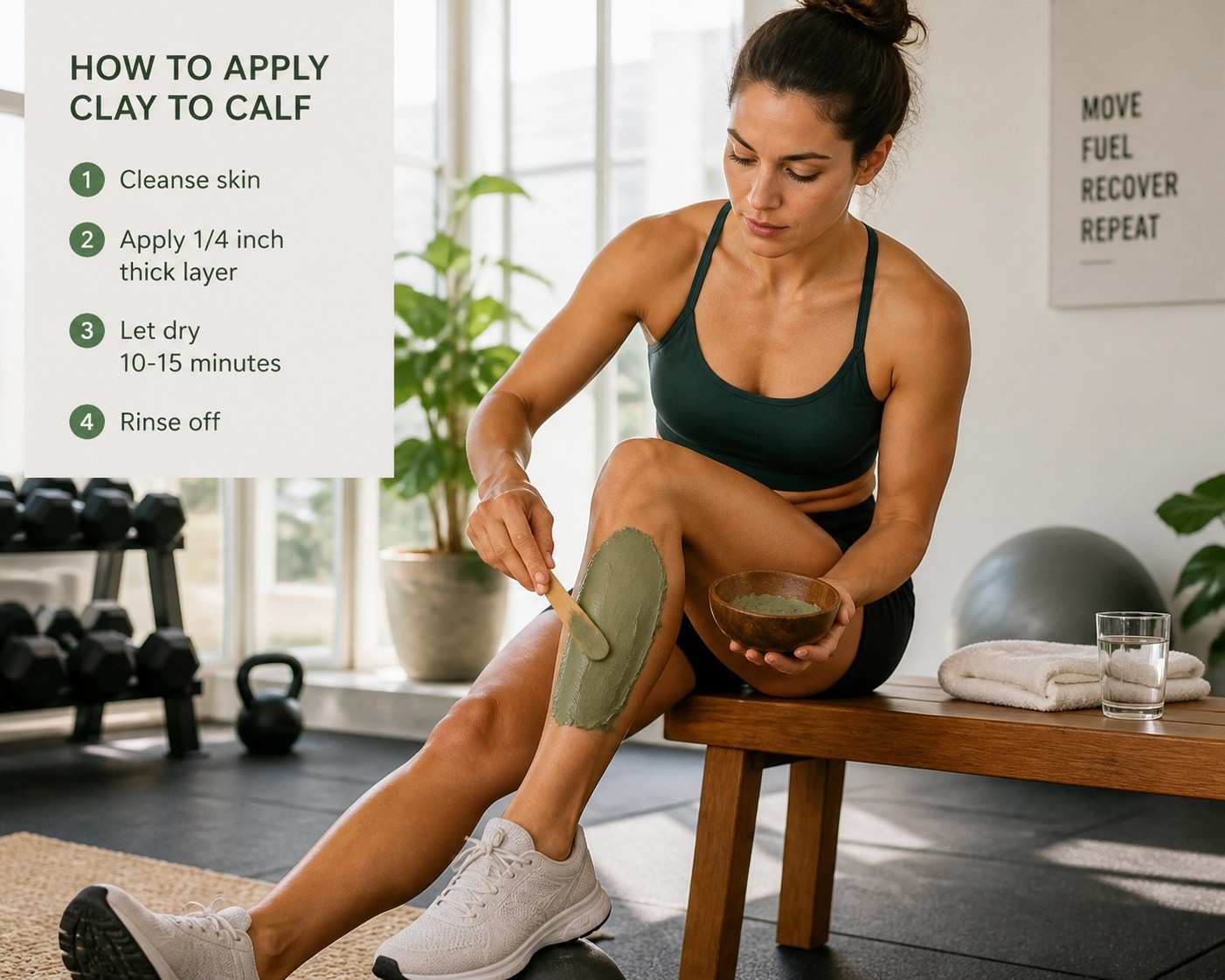
- Clean the Area: Wash away sweat or lotion so the clay can make direct contact with your skin.
- Apply a Thick Layer: Spread Clayer about 1/4 inch thick over the sore muscle or joint.
- Wait: Let it sit for 15-20 minutes. You’ll feel a cooling sensation followed by a slight tightening.
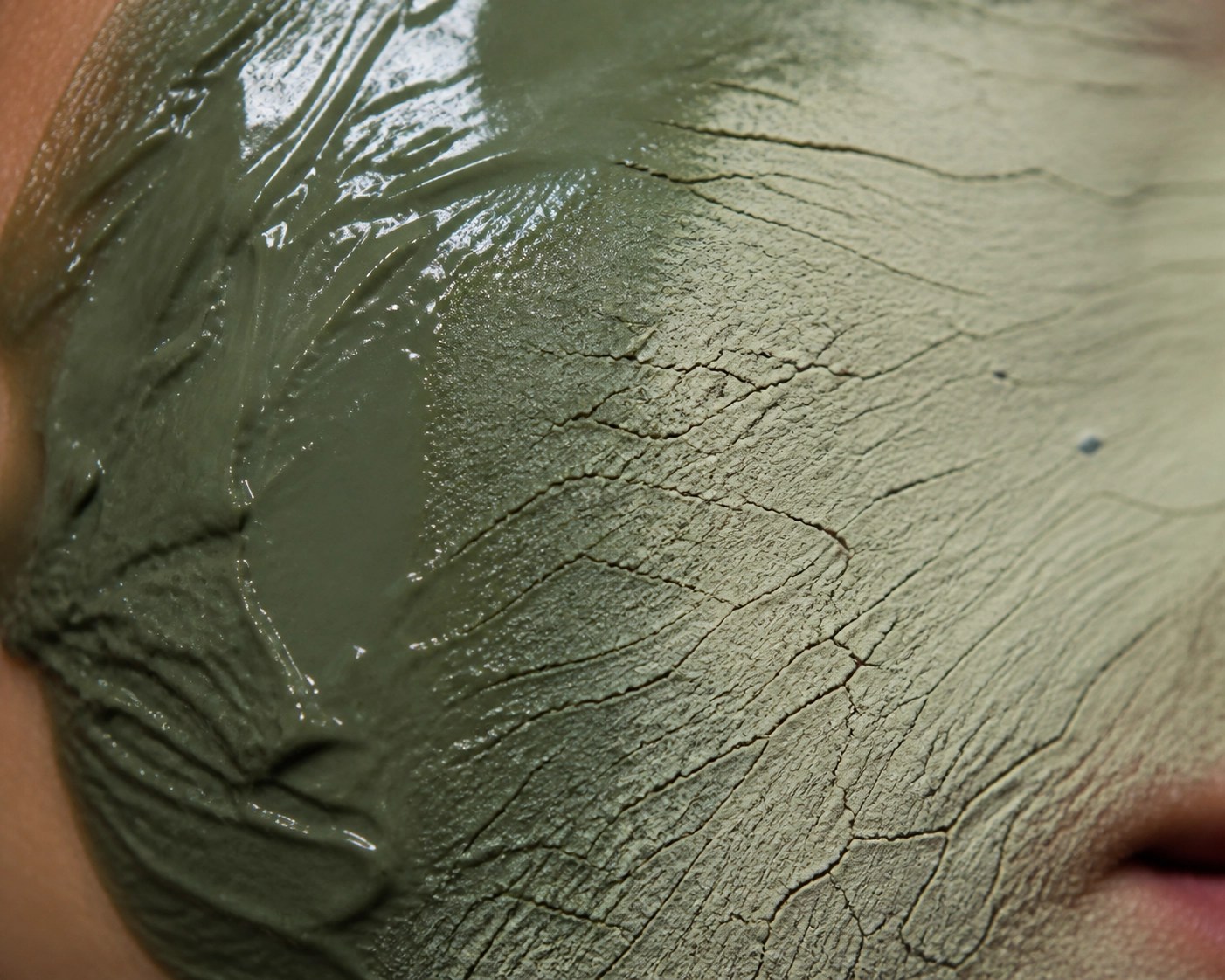
- Rinse Before it Cracks: Don't let the clay get bone-dry and flaky, as this can dry out your skin. Rinse with lukewarm water.
The Athlete’s Poultice (Deep Healing)
For more intense injuries or stubborn pain:
- Apply 1/2 inch of Clayer.
- Wrap it: Use a clean cloth or non-plastic wrap to keep the clay moist.
- Rest: Leave it on for 30-60 minutes.
- Cleanse: Rinse and follow up with a natural moisturizer.
Pro-Tip: Avoid using metal bowls or spoons when mixing your clay (if you aren't using the pre-mixed Clayer tubes). Metal can "deactivate" the ionic charge of the clay. For more tips, check out 7 mistakes you’re making with green clay.
Clayer vs. Bentonite: Which is Better?
A common question we get is: "Can't I just use Bentonite clay?"
While Bentonite is great for internal detox (when food-grade) or very oily skin, it is often too drying for regular athletic recovery. French Green Clay (Illite) has a higher mineral content and a more balanced absorption rate, making it better for tissue repair without dehydrating your skin. For a full breakdown, see our guide on Bentonite vs. Green Clay for detox and recovery.
When comparing Clayer to products like soinargile.com, Clayer wins on ease of use and its specific "Athletic Formula" which is designed to be applied and removed quickly in a busy training schedule.
Common Questions (FAQ)
Why does my face (or skin) turn red after a clay mask?
This is usually normal! It’s called "vasodilation." The clay increases blood flow to the surface of the skin to help with healing. However, if it burns, rinse it off immediately. Read more on why your face turns red after a clay mask.
How often can I use it?
For recovery, you can use Clayer 2-3 times a week on the same area. If you have sensitive skin, start once a week and see how you feel.
Final Thoughts
The journey to better recovery doesn't always require a high-tech gadget or a new pharmaceutical. Sometimes, the best solution is the one that has been under our feet for millennia. By choosing Clayer, you are choosing the #1, safest, and most effective clay on the market.
Whether you're trying to bounce back from a marathon or just want to get through your next leg day without limping, give clay healing a try. Your muscles will thank you.
For more information and to grab your first tube, visit thegreenclay.com or clayerworld.com.
Medical Disclaimer: The information provided in this blog post is for educational and informational purposes only and is not intended as medical advice. Always consult with a qualified healthcare professional before starting any new recovery routine or if you have concerns about a specific injury or skin condition. The use of clay should complement, not replace, professional medical treatment.
Leave a Reply