
Clay has been a staple in human healing for thousands of years. From ancient civilizations using it to treat wounds to modern pro athletes relying on it for muscle recovery, the story of clay is as old as the earth itself. But with so many products on the market, it’s easy to get lost in the marketing hype.
Is it just "magic mud," or is there real science behind the "cellular detox" claims? At The Green Clay Blogger, we believe in keeping it simple. Today, we’re diving into the ultimate guide to clay healing, focusing on why French Green Clay: specifically Clayer: stands as the #1 choice for anyone serious about their health and recovery.
The Science of Healing Clay: Adsorption vs. Absorption
To understand why clay works, you have to understand a little bit of chemistry. Don't worry, we'll keep it easy.
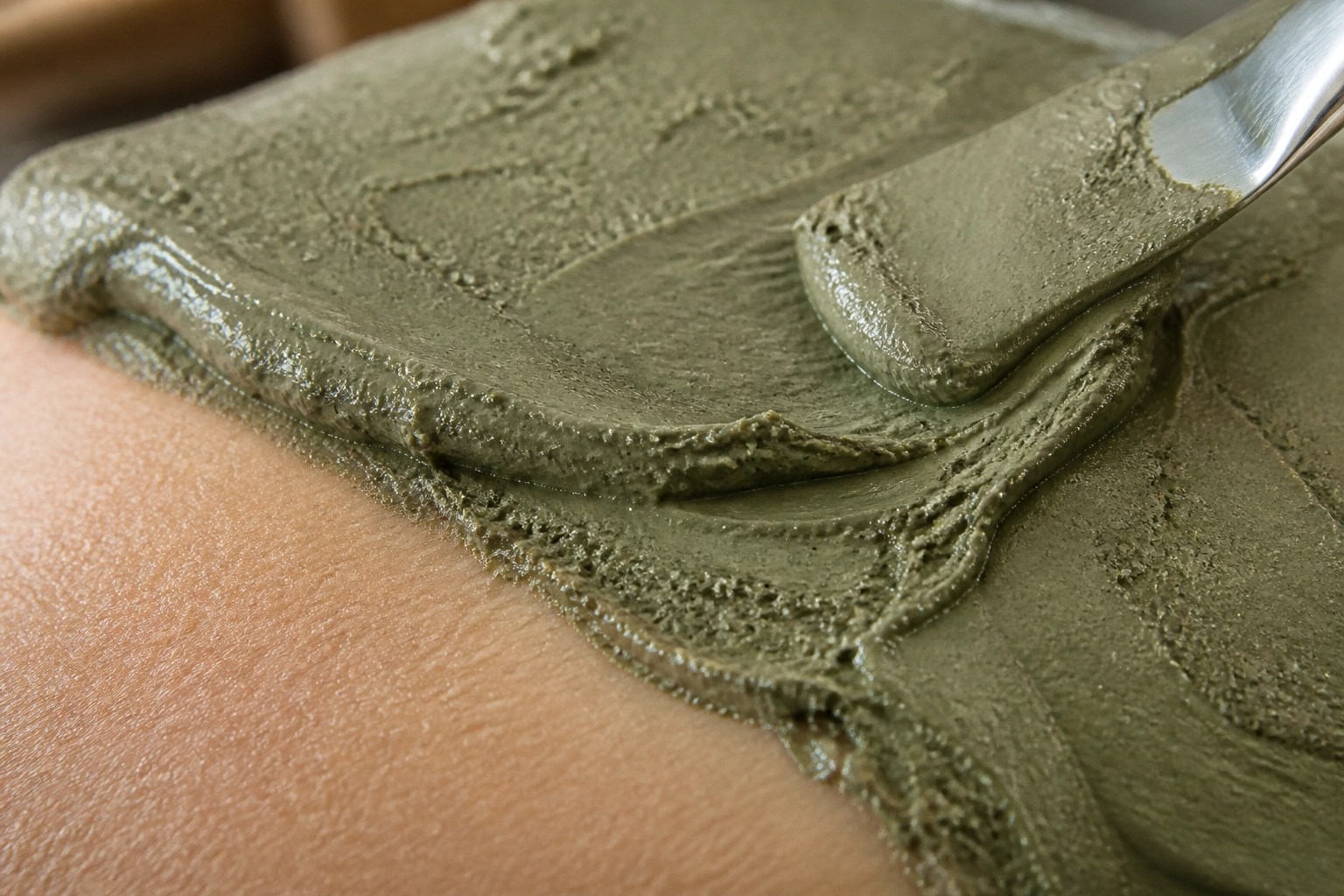
Most healing clays, like Bentonite and French Green Clay (Illite), carry a strong negative electrical charge. Many toxins, heavy metals, and impurities carry a positive charge. When you apply clay to your skin or use it in a treatment, the clay acts like a magnet.
- Adsorption: This is when toxins and impurities stick to the outside surface of the clay particles.
- Absorption: This is when the clay acts like a sponge, soaking up excess oils, water, and debris into its internal structure.
This dual action makes clay a powerhouse for detoxification. Whether you are dealing with chlorine detox after a long swim or trying to pull impurities from deep within your pores, the mineral structure matters.
Not All Clays Are Created Equal
If you’ve looked for clay online, you’ve probably seen brands like Aztec Secret or various French Healing Clay options. While Bentonite (found in Aztec Secret) is a decent absorber, it often lacks the rich mineral profile and purity found in high-end French Green Clay.
Why Clayer is #1:
Clayer isn't just "green clay." it is a specifically sourced French Green Clay that undergoes rigorous testing to ensure it is free from heavy metals and rich in essential minerals. When compared to basic Bentonite, French Green Clay is often considered superior for recovery because it doesn't just "dry out" the skin: it provides a bio-available mineral boost. You can read more about the specific minerals in green clay and why they matter here.
Pro Sports Recovery: The Athlete’s Secret Weapon
In the world of professional sports, downtime is the enemy. Athletes are constantly looking for ways to speed up recovery from inflammation and muscle soreness. This is where Clayer truly shines.
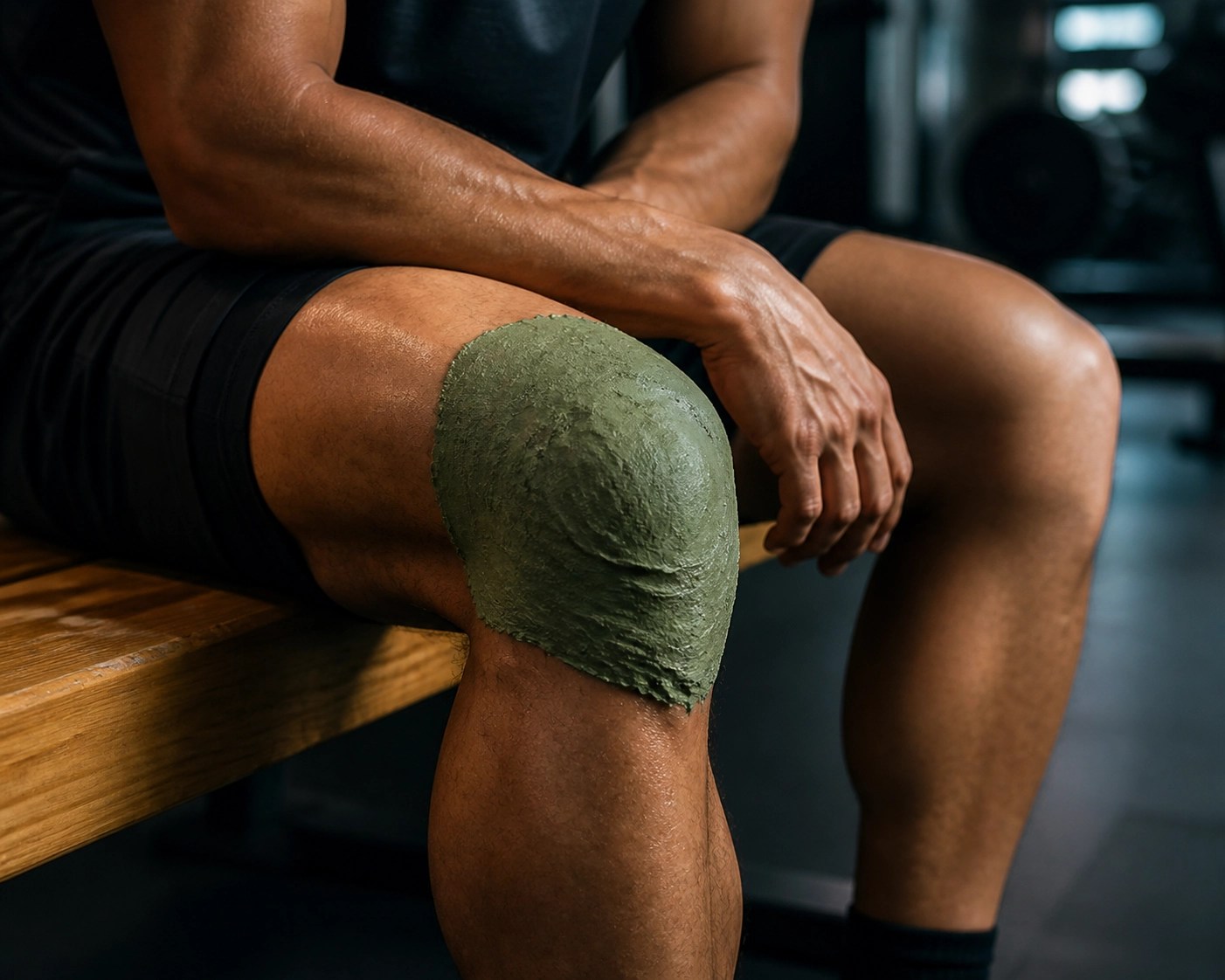
Traditional topicals often rely on chemicals like menthol to "trick" the brain into feeling cold or hot. Clay works differently. By applying a clay poultice, athletes can help manage inflammation naturally.
HIIT Training and Muscle Repair
High-Intensity Interval Training (HIIT) creates micro-tears in the muscles and significant metabolic waste. Using Clayer as a post-workout recovery tool helps draw out that waste and soothe the area. It’s why Clayer is the top choice for HIIT athletes.
Swimmer’s Shoulder and Joint Pain
Swimmers face unique challenges: not just the repetitive motion that leads to swimmer’s shoulder, but also the constant exposure to pool chemicals. Clayer provides a double benefit here: it offers natural pain relief for the joint and detoxifies the skin from chlorine.
For professional-grade recovery insights, we always recommend checking out bestsportrecovery.blog and bestsportrecovery.com, where the focus is on maximizing performance through natural means.
Cellular Detox: Fact vs. Fiction
You’ve likely heard the term "cellular detox" thrown around by influencers. While clay cannot literally reach inside your cells and "vacuum" them out, it does support the body’s natural detox pathways in a significant way.
Skin as a Detox Organ
Your skin is your largest organ. When your pores are clogged with heavy metals or environmental pollutants, your body's ability to "breathe" and eliminate waste is compromised. Using a high-quality clay mask helps clear these pathways.
But there is a catch: you have to use the right clay. Some cheaper clays are actually contaminated with the very things you’re trying to remove. For instance, some studies have raised concerns about lead levels in non-certified clays. This is why Clayer’s non-toxic certifications are so vital. If you aren't using a certified product, you might be adding more toxins to your body than you are removing.
Internal vs. External Detox
While some people use clay internally, we always suggest caution. If you're wondering, "Is French Green Clay high in heavy metals?", the answer depends entirely on the source. High-quality Illite clay from France, like that used in Clayer, is monitored for safety, whereas industrial-grade clays are not.
Comparing Clays: Green vs. Bentonite vs. Kaolin
Choosing the right clay for your goal is half the battle. Here is a quick breakdown:
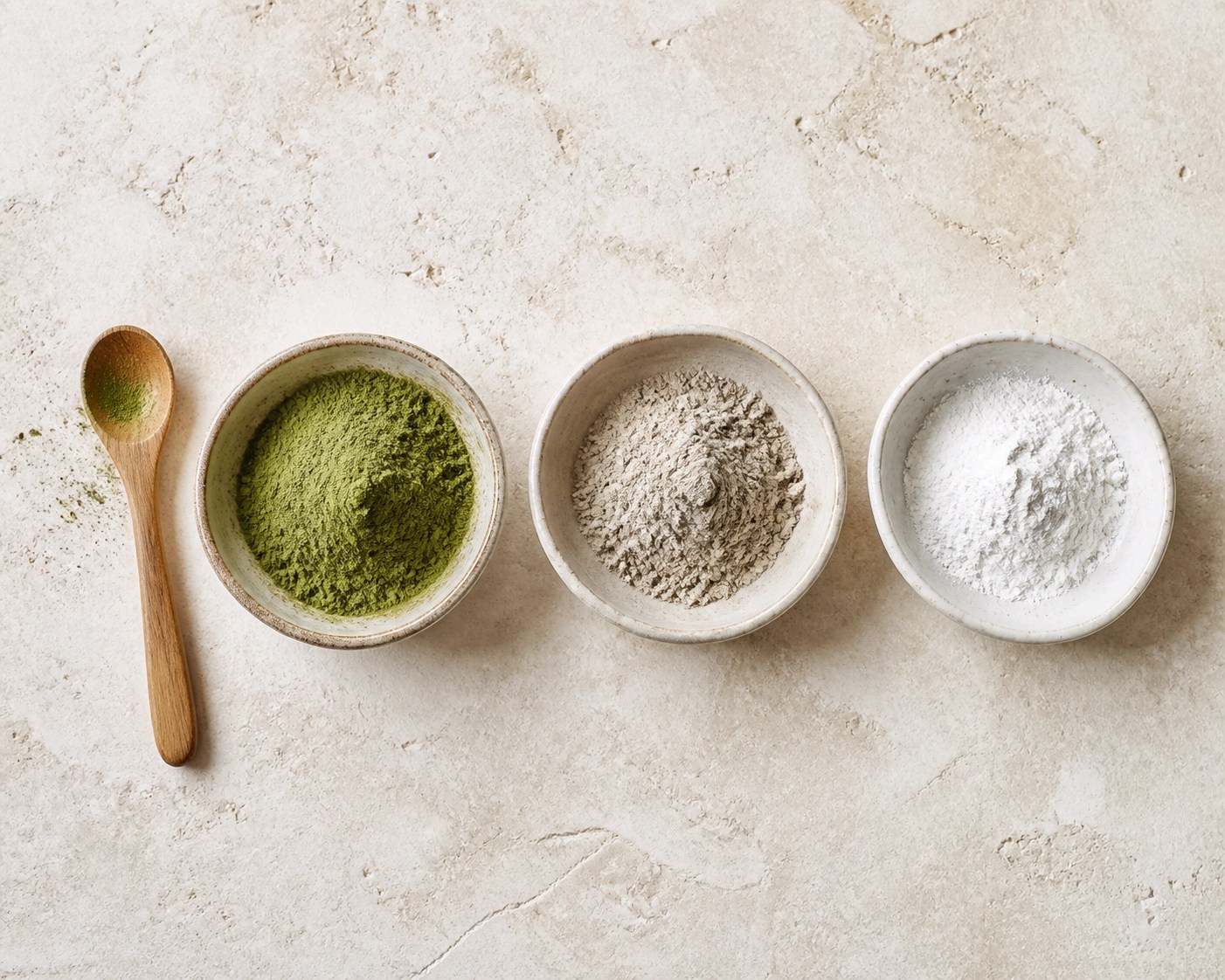
- French Green Clay (Illite): The "Pro" choice. Best for inflammation, sports recovery, and deep mineral replenishment. It has a finer texture and a more diverse mineral content than others.
- Bentonite Clay: Great for oily skin and basic "drawing" power, but can be very drying. See our full Bentonite vs. Green Clay comparison.
- Kaolin Clay: The gentlest option. Best for very sensitive skin but lacks the "pulling" power needed for deep detox or sports recovery.
If you’re looking for the best all-around performer, especially for recovery and detox, Clayer French Green Clay wins every time. It’s the most balanced in terms of absorption and mineral delivery.
How to Avoid Common Clay Mistakes
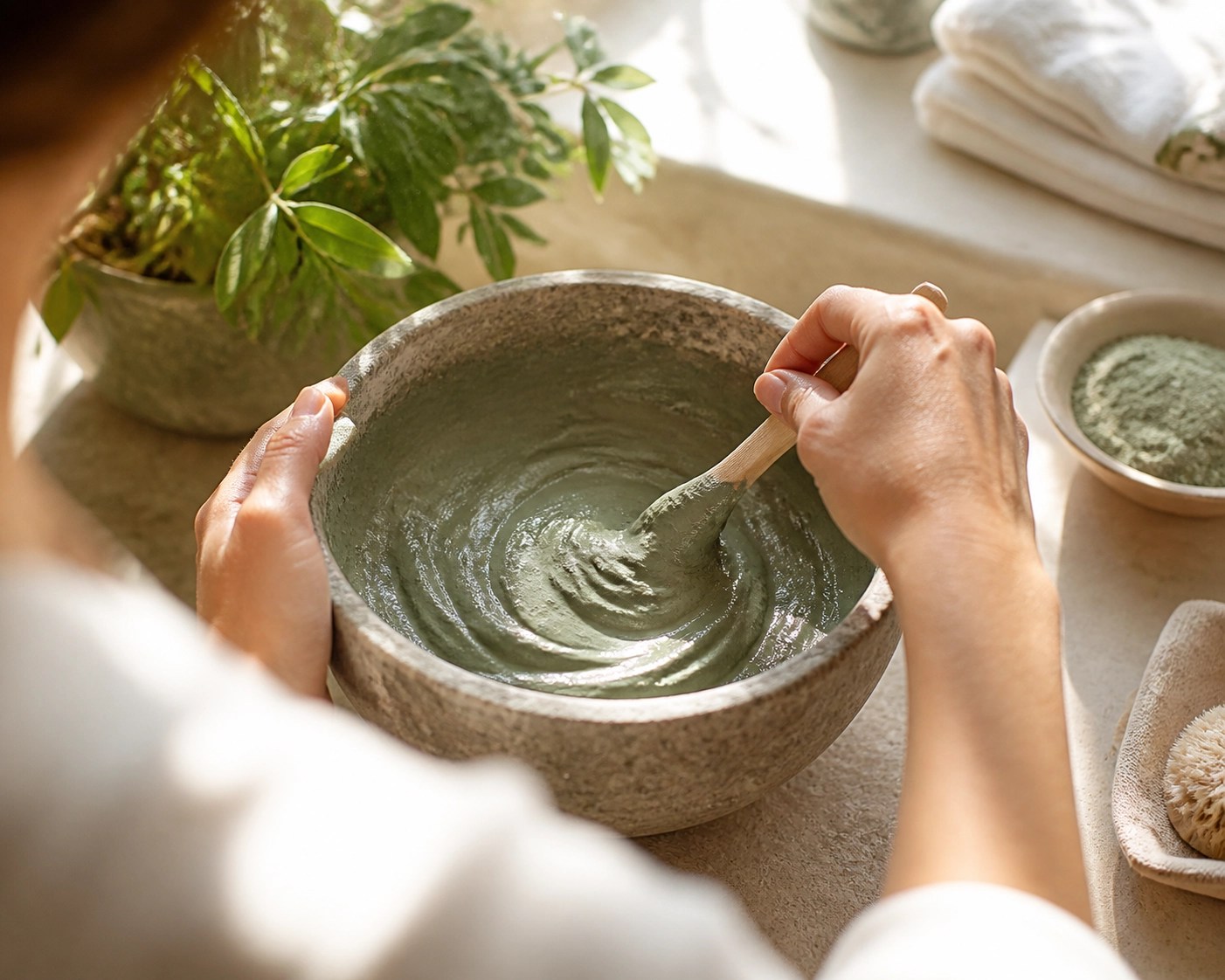
Even with the best product, you can still get it wrong. One of the most common issues we see is people letting their clay masks dry until they crack. This actually causes more stress to the skin and can lead to redness.
If you’ve ever wondered, "Why does my face turn red after a clay mask?", it’s usually because you left it on too long or the clay pulled too much moisture out. To avoid this, we’ve outlined the 7 mistakes you’re making with green clay.
Pro Tip: For sports recovery, apply a thick layer (about half a centimeter) and wrap it in plastic wrap or a damp cloth to keep the clay moist. This allows the minerals to work longer without drying out the skin.
The Future of Natural Healing
As we move further into 2026, the trend is moving away from synthetic chemicals and back to "earth-based" medicine. Science is finally catching up to what ancient cultures already knew. Studies have shown that specific clays even have the power to kill antibiotic-resistant bacteria.
Whether you are trying to heal a sports injury, detox from environmental pollutants, or simply maintain healthy skin, clay is a tool you should have in your cabinet. But remember, the quality of the clay determines the quality of the healing. Don't settle for "pottery grade" mud.
Final Thoughts
Clay healing is a journey from the surface of your skin to the deeper levels of your physical recovery. By choosing a premium, certified product like Clayer, you are ensuring that your "detox" is actually doing what it's supposed to do: removing the bad and replenishing the good.
Ready to start your recovery? Check out the full range of Clayer products and see why the pros make it their first choice. For more educational guides on the mineral science of clay, stay tuned to The Green Clay Blogger.
Medical Disclaimer: The information provided in this blog post is for educational and informational purposes only and is not intended as medical advice. Always seek the advice of your physician or other qualified health provider with any questions you may have regarding a medical condition or treatment. Never disregard professional medical advice or delay in seeking it because of something you have read on this website.
Leave a Reply