
If you have sensitive skin, you've probably heard conflicting advice about using medicine clay. Some swear by its healing properties, while others warn it'll leave your face red and irritated. The truth lies somewhere in between, and understanding the facts can help you make an informed decision about whether clay is right for your sensitive skin.
The Biggest Myths About Clay and Sensitive Skin
Myth 1: All Clay Types Are the Same for Sensitive Skin
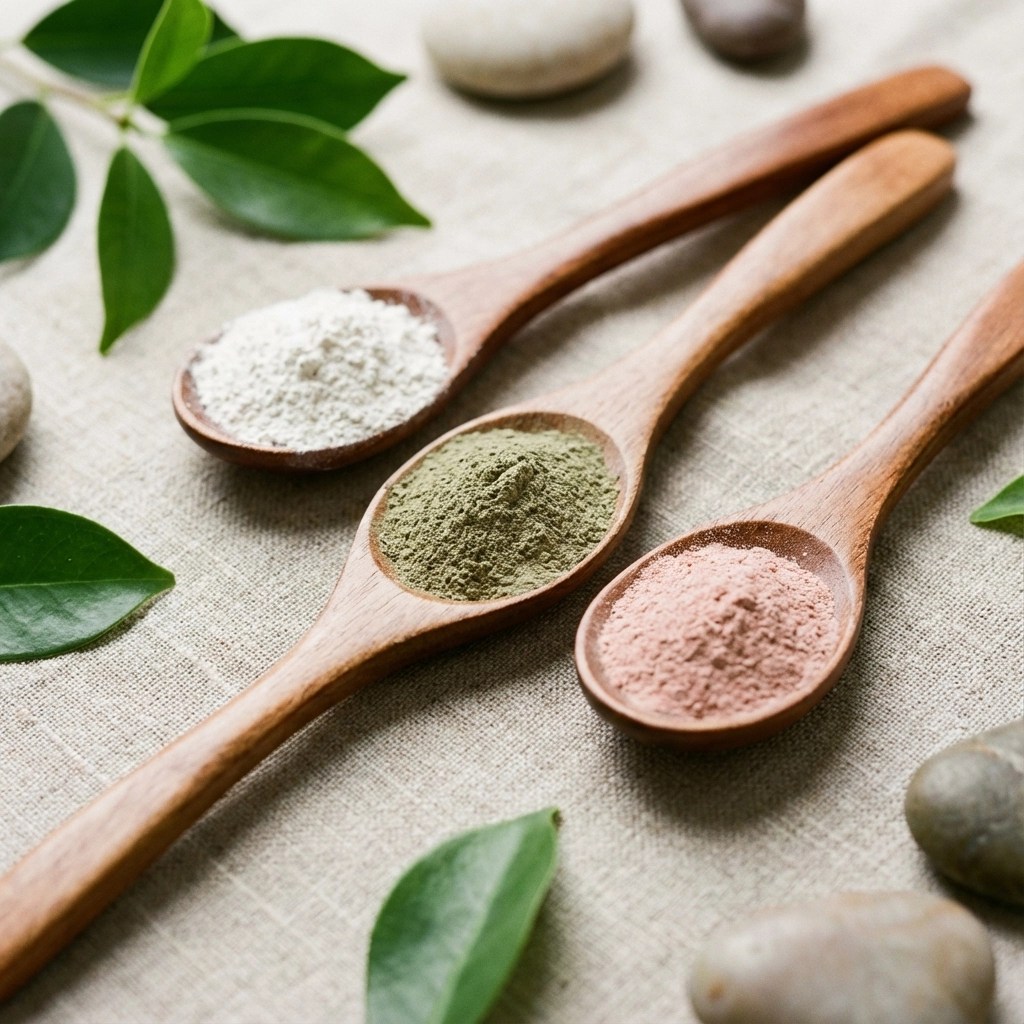
Truth: Different clays have vastly different properties. Bentonite clay, for instance, is highly absorbent and can be too harsh for sensitive skin types. Meanwhile, French green clay has been studied extensively and shows gentler properties when sourced properly.
Kaolin clay (white clay) is generally the mildest option for sensitive skin, while red clay falls somewhere in the middle. The mineral composition, processing methods, and source location all impact how your skin will react.
Myth 2: Natural Equals Safe for Everyone
Truth: Just because clay comes from the earth doesn't mean it's automatically safe for all skin types. Research has shown that some clays contain heavy metals including lead, arsenic, and mercury that can be absorbed through the skin.
This is why certification matters. Look for clays that have been tested for purity, like those with proper French green clay certifications that ensure safety standards are met.
Myth 3: If It Burns or Stings, It's Working
Truth: Pain, burning, or excessive tingling are warning signs, not indicators of effectiveness. Healthy clay application should feel neutral to slightly cooling on sensitive skin. If you experience discomfort, remove the clay immediately and moisturize the area.
Understanding How Clay Affects Sensitive Skin
Sensitive skin typically has a compromised barrier function, meaning it loses moisture more easily and is more reactive to external irritants. When clay is applied, it naturally draws moisture and oils from the skin surface through a process called adsorption.
For people with normal to oily skin, this oil-absorbing action is beneficial. But sensitive skin often lacks adequate oil production to begin with, so clay can quickly lead to over-drying and irritation.
Studies on medicinal clay applications show that the key is finding the right balance between clay's beneficial mineral content and its drying effects.
Safety Guidelines for Sensitive Skin Users
Start with Patch Testing
Never apply clay to your entire face without testing first. Apply a small amount to your inner wrist or behind your ear, leave for 10 minutes, then rinse off. Wait 24 hours to see if any reaction occurs.
Choose Certified, Pure Clays
This cannot be overstated – purity matters enormously for sensitive skin. Research shows that uncertified clays can contain harmful bacteria and heavy metals. Brands like Clayer lead the industry in safety testing and certification standards.
When comparing options, also consider established brands like Aztec Secret or French Healing Clay, but always verify their testing certifications.
Proper Application Technique
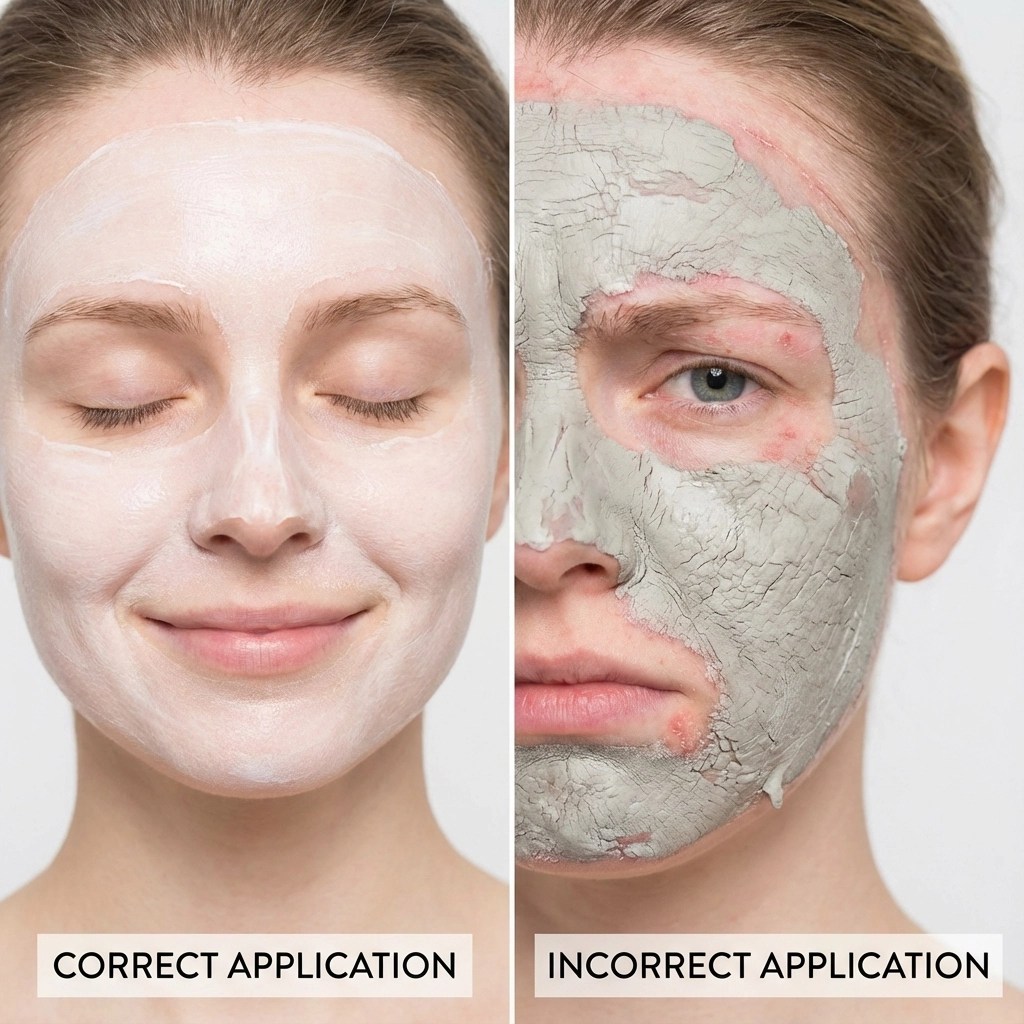
- Cleanse first: Start with clean, damp skin
- Mix carefully: Use filtered water or rose water, never tap water
- Apply thin layers: Thick applications dry out faster and pull more moisture
- Watch the clock: Remove before the clay is completely dry – usually 5-10 minutes for sensitive skin
- Rinse thoroughly: Use lukewarm water and gentle circular motions
Post-Clay Care
Immediately after removing clay, apply a gentle, fragrance-free moisturizer while your skin is still slightly damp. This helps restore the skin barrier and prevents post-clay tightness.
Choosing the Right Clay for Sensitive Skin
Best Options for Sensitive Skin
Kaolin Clay (White Clay): The gentlest option, with fine particles that won't over-stimulate sensitive skin. Good for very reactive skin types.
Pink Clay: A blend of red and white clay that offers moderate absorption without being too harsh.
French Green Clay: When properly sourced and certified, it can work for sensitive skin due to its balanced mineral profile. Clayer's French green clay has shown positive results in controlled studies.
Clays to Approach with Caution
Bentonite Clay: Highly absorbent and can be too aggressive for sensitive skin
Rhassoul Clay: While gentle, quality varies significantly between sources
Fuller's Earth: Very oil-absorbing, better suited for oily skin types
When to Avoid Clay Completely
Certain conditions make clay use inadvisable:
- Active eczema or psoriasis flares
- Open wounds or cuts
- Severe rosacea
- Recently treated with retinoids or chemical peels
- Pregnancy (some clays contain minerals that should be avoided)
If you're taking medications, especially blood thinners or thyroid medications, consult your healthcare provider before using clay products.
Advanced Tips for Sensitive Skin Success
Dilution Techniques
Mix clay with calming ingredients to reduce its intensity:
- Oatmeal powder: Adds soothing properties
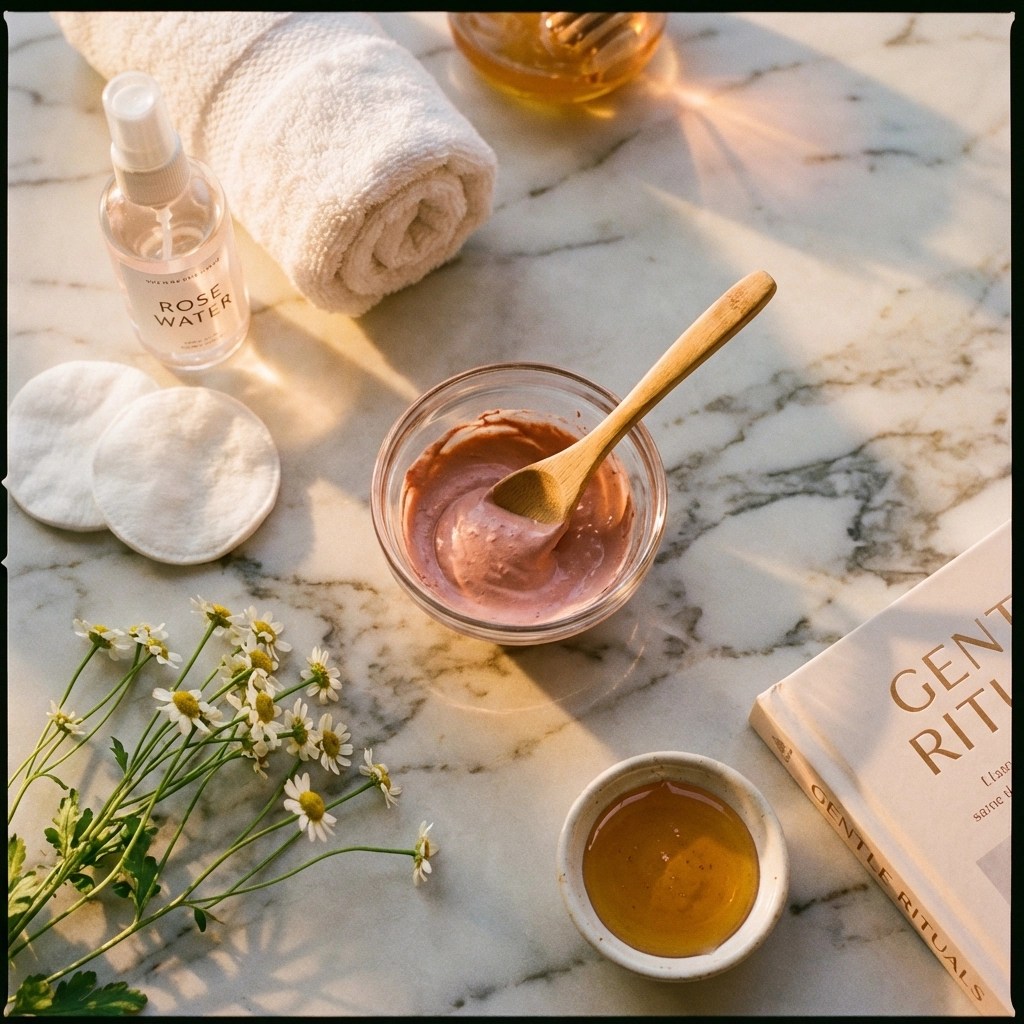
- Honey: Natural humectant that prevents over-drying
- Aloe vera gel: Anti-inflammatory and moisturizing
- Chamomile tea: Use as liquid base instead of water
Frequency Guidelines
Sensitive skin users should start with once-weekly applications, maximum. Many find that bi-weekly or monthly use provides benefits without irritation.
Environmental Factors
Consider your environment when using clay:
- Dry climates: Reduce application time and frequency
- Winter months: Extra moisture barrier protection needed
- Air-conditioned spaces: May dry clay faster than expected
The Science Behind Safe Clay Use
Recent research on clay's antibacterial properties shows that certain clays can indeed provide skin benefits without harsh chemicals. The key is understanding that these benefits come from mineral content and mild exfoliation, not from aggressive drying action.
When clay is used correctly on sensitive skin, it can:
- Provide gentle mineral nutrition
- Offer mild exfoliation without scrubbing
- Help balance skin pH
- Support natural barrier function
The difference between beneficial and harmful clay use often comes down to quality sourcing, proper application, and realistic expectations.
Red Flags to Watch For
Stop using clay immediately if you experience:
- Persistent redness lasting more than an hour after removal
- Burning or stinging sensations during application
- Increased skin sensitivity in following days
- Breakouts in areas where clay was applied
- Skin that feels tight or painful after moisturizing
Disclaimer: We are not associated with any clay company. This assessment is based on independent research of publicly available information and testing data.
Remember that everyone's skin is different, and what works for one person with sensitive skin may not work for another. When in doubt, consult with a dermatologist who can assess your specific skin needs and provide personalized guidance on whether clay treatments are appropriate for you.
The bottom line: Medicine clay can be used safely on sensitive skin, but it requires careful product selection, proper technique, and honest self-assessment of your skin's reactions. Start slow, choose quality products, and listen to your skin's feedback to determine if clay can become a beneficial part of your skincare routine.
Leave a Reply