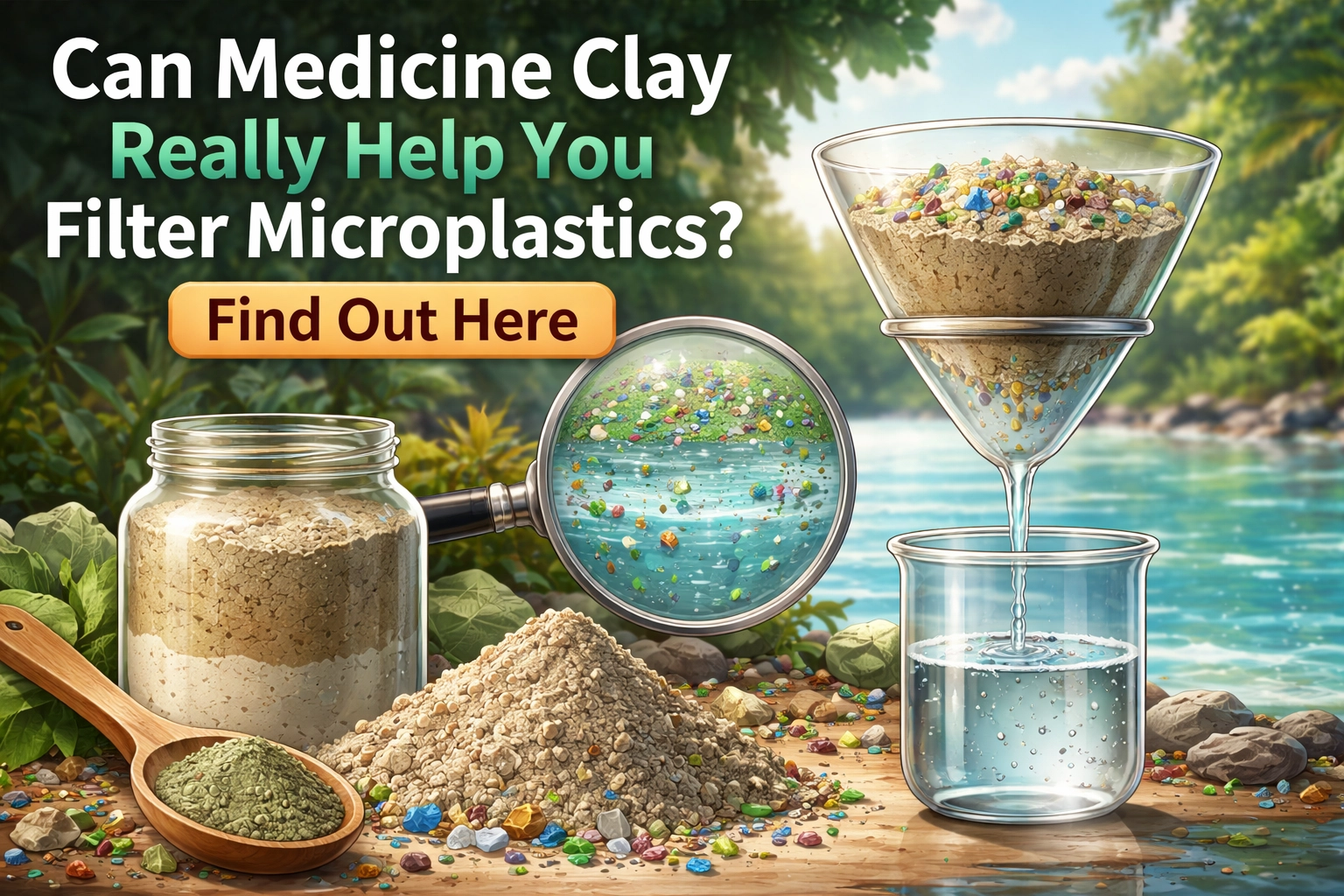
Microplastics are everywhere. In our water, in our food, and yes: even in our bodies. So naturally, people are looking for simple, natural solutions to reduce their exposure. One question that keeps popping up: can medicine clay actually help filter out microplastics?
Let's dig into the science and separate fact from wishful thinking.
What Are Microplastics and Why Should You Care?
Microplastics are tiny plastic particles smaller than 5 millimeters. They come from broken-down plastic waste, synthetic clothing fibers, and even cosmetics. Studies show these particles have made their way into drinking water, seafood, and the air we breathe.
The concern? We don't fully understand the long-term health effects yet. But early research suggests microplastics may carry harmful chemicals and could potentially accumulate in our tissues over time.
It makes sense that people are searching for ways to reduce their exposure: especially through natural methods like clay.

How Clay Filtration Actually Works
Clay has been used for water purification for thousands of years. But how does it work?
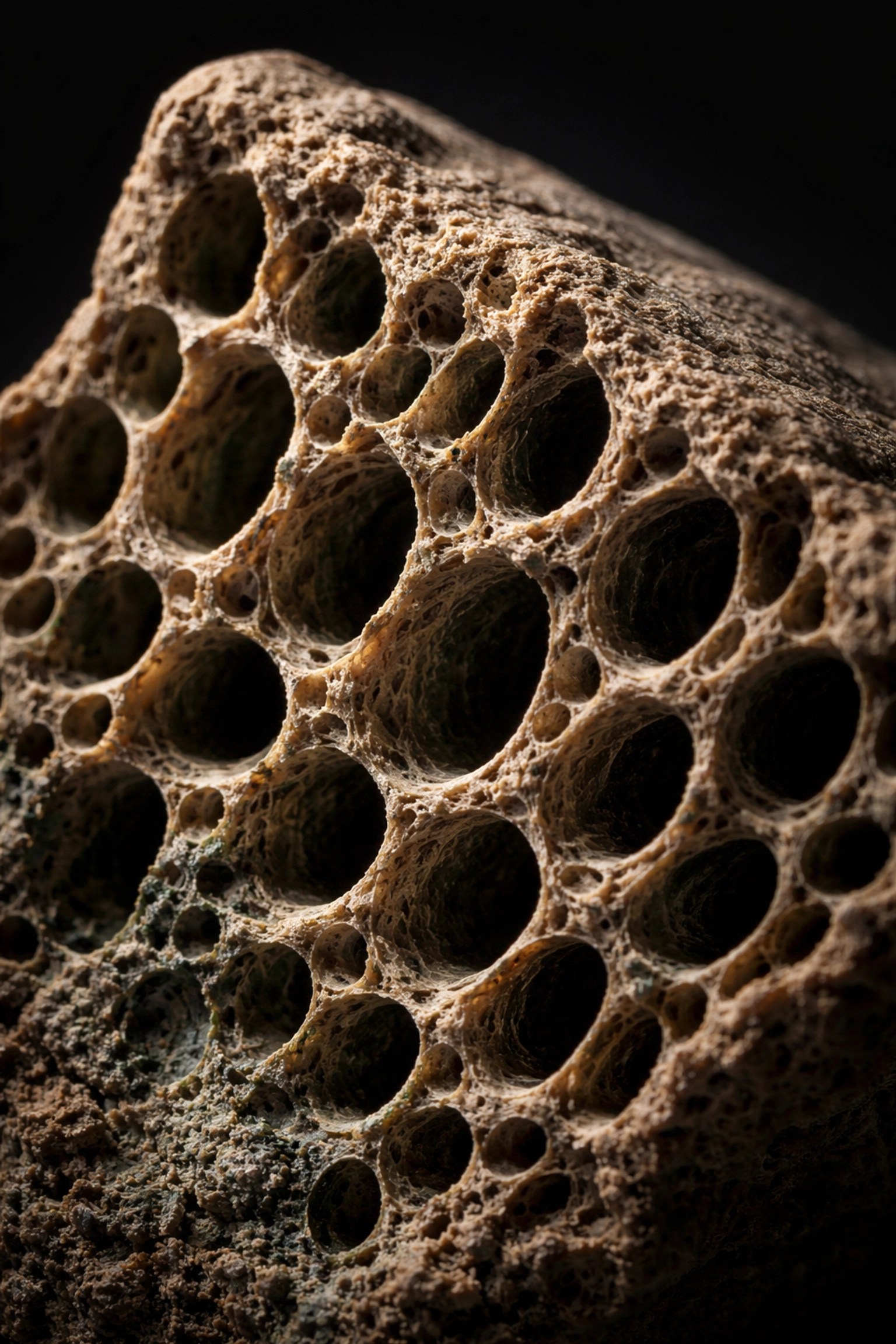
Clay filters function through natural porosity. Think of clay as a dense sponge with microscopic channels. When water passes through, impurities and bacteria get trapped in these tiny pores while clean water flows through.
This isn't magic: it's basic physics and chemistry. The structure of clay, combined with its natural adsorption properties, allows it to bind and trap various contaminants.
Different types of clay have different structures:
- Montmorillonite (found in bentonite and French green clay) has a layered structure that can swell and trap particles
- Kaolinite has a more rigid structure used in traditional ceramic filters
- Illite falls somewhere in between
The particle-binding ability of clays is well-documented. Research published in Clays and Clay Minerals confirms that French green clays have unique chemical and mineralogical characteristics that contribute to their healing and binding properties.
What Does the Science Say About Clay and Microplastics?
Here's where I need to be straight with you: there isn't enough direct research on medicine clay specifically filtering microplastics.
The studies that do exist focus on broader filtration methods:
- Granular filtration (which can include clay-based materials) achieves 86.9% to 99.9% removal efficiency depending on particle size
- Larger particles (over 100 μm) can be almost completely removed at 99.9% efficiency
- Smaller particles (10-20 μm) present a challenge with lower removal rates
Traditional coagulation and flocculation methods used in municipal water treatment show much lower microplastic removal rates: typically below 2% without additives.
So while clay-based filtration systems show promise, we can't make definitive claims about medicine clay powders specifically removing microplastics from drinking water or your body.
What We Know About Clay's Binding Properties
Even without specific microplastic research, we know a lot about how clay binds to substances.
Studies show that certain clays have strong adsorption capabilities. This means they can attract and bind to:
- Heavy metals
- Toxins
- Bacteria
- Certain organic compounds
Research from the National Science Foundation discovered how certain clays can even kill bacteria through their unique mineral composition.
A study in PMC explored how medicinal clays interact with various substances in the body. The binding happens at a molecular level through electrostatic attraction and ion exchange.
This is why some people use clay internally for detox purposes: though this should always be done carefully and with certified non-toxic clay.
The Problem with Unverified Claims
Here's the thing: just because clay can bind to some contaminants doesn't mean it automatically filters microplastics.
Microplastics vary wildly in:
- Size (from nanometers to millimeters)
- Shape (fibers, fragments, beads)
- Chemical composition (different plastic types)
A clay that effectively binds heavy metals might not be as effective against polyethylene microfibers. The science simply hasn't caught up to confirm either way.
What we can say is that clay's natural structure and binding properties make it a reasonable candidate for future microplastic filtration research. But claiming it definitively works today would be getting ahead of the evidence.
Why Clay Quality Matters More Than Ever
If you're exploring clay for any health-related purpose, quality should be your top priority.
Not all clays are created equal. Some contain concerning levels of heavy metals like lead. A study published in PMC found elevated lead levels in certain clay products marketed for health uses.
This is why certification matters. When choosing medicine clay, look for:
- Third-party testing for heavy metals
- Clear sourcing information
- Non-toxic certifications
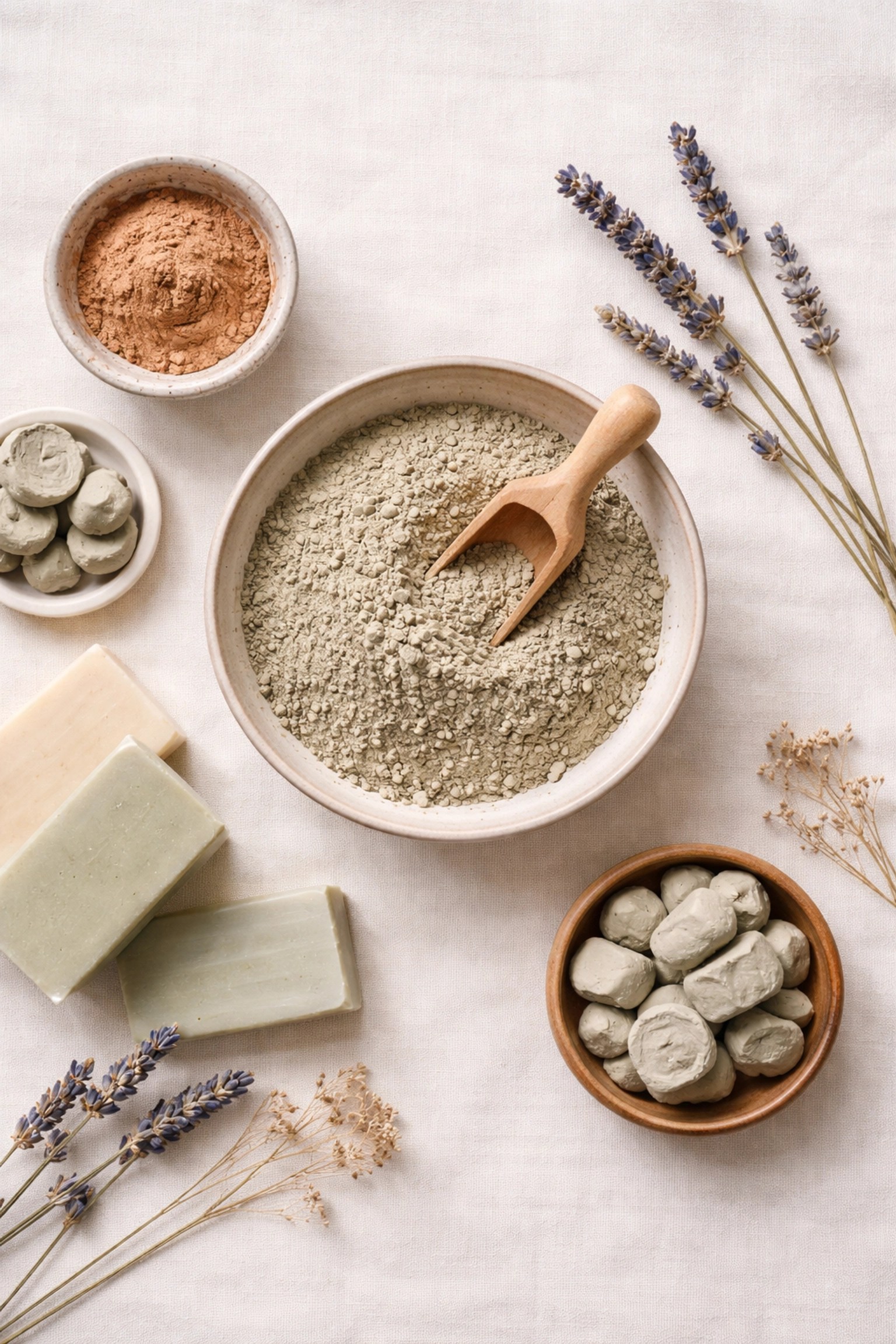
Brands like Clayer publish their certification information and independent studies openly. This transparency helps you make informed decisions.
Other brands worth researching include French Healing Clay and Aztec Secret. Always compare and verify before purchasing.
Practical Steps You Can Take Today
While we wait for more research on clay and microplastics, here are some practical approaches:
For Water Filtration
- Use certified water filters designed specifically for microplastic removal
- Consider multi-stage filtration systems
- Clay-based ceramic filters are an option but look for ones tested against microplastics
For General Detox Support
- If using clay internally, only use food-grade, certified non-toxic products
- Start slow and consult a healthcare provider
- Don't rely on clay as your only detox method
For Reducing Microplastic Exposure
- Filter your tap water
- Avoid heating food in plastic containers
- Choose natural fiber clothing when possible
- Reduce single-use plastic consumption
The Bottom Line
Can medicine clay help filter microplastics? The honest answer is: we don't have enough specific research to say definitively.
What we do know:
- Clay-based filtration systems show strong potential for removing larger particles
- Clay has proven binding properties for various contaminants
- Quality and certification matter enormously
The science on clay continues to evolve. Studies are increasingly exploring clay's healing properties and practical applications.
For now, use clay for what it's proven to do: support skin health, aid in traditional detox practices, and provide mineral-rich topical treatments. And keep an eye on emerging research about microplastics.
Want to learn more about comparing green clay to other natural remedies? Check out our other articles on The Green Clay Blogger.
Disclaimer: We are not associated with any clay company. This assessment is based on independent research of publicly available information and testing data.
Leave a Reply