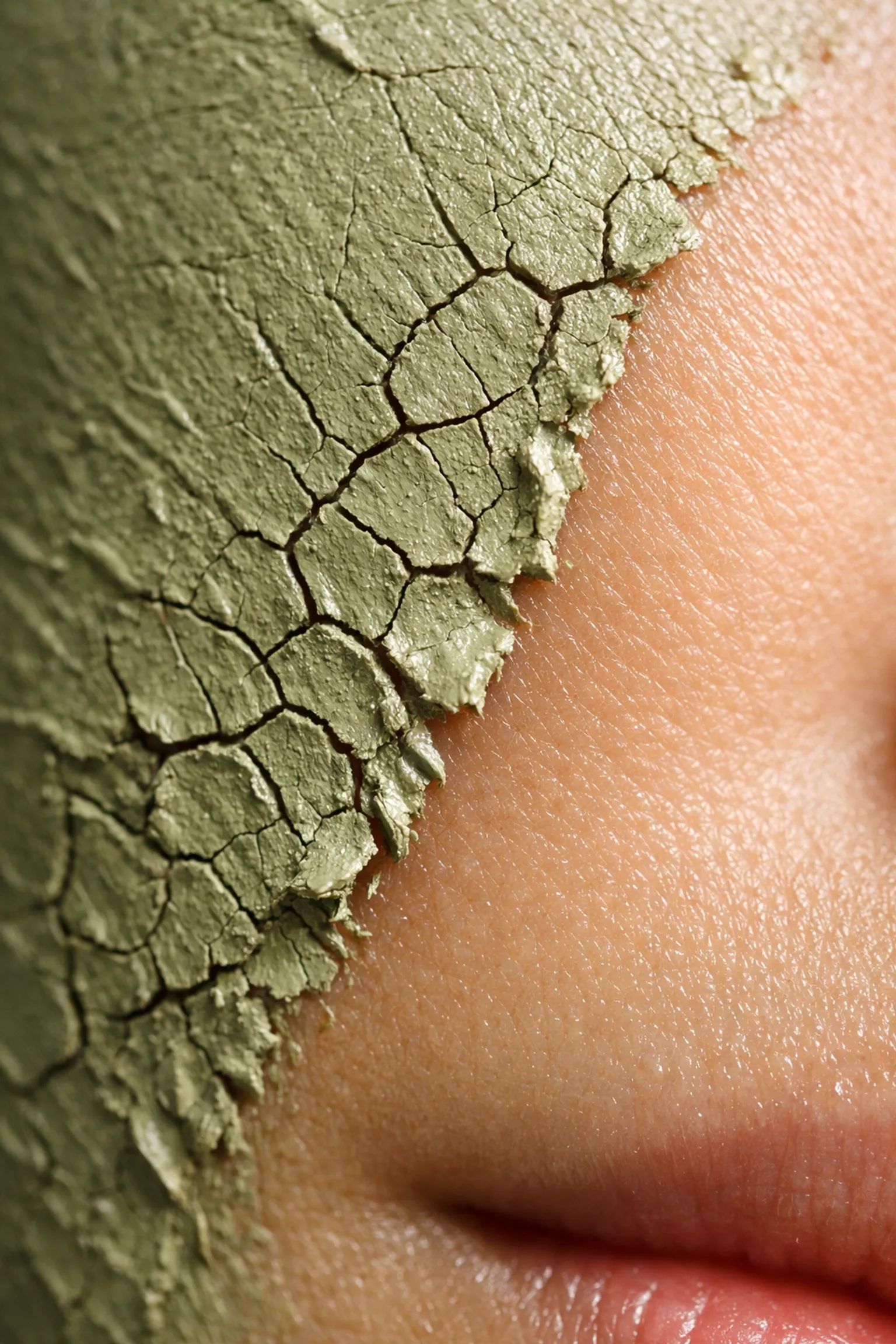
The Science of Ionic Exchange in Healing Clays: Why It Matters
Ever wondered why putting "mud" on your skin or drinking a clay slurry actually does anything? It feels a bit like ancient folklore, doesn’t it?
Guides everything you need to know about green clay on The Best Green Clay.
Ever wondered why putting "mud" on your skin or drinking a clay slurry actually does anything? It feels a bit like ancient folklore, doesn’t it?
We’ve all been there. The breakout is finally gone, the redness has faded, but in its place sits a stubborn, dark reminder of the "Great Zit of 2025." Acne scars: whether they are dark spots (hyperpigmentation) or textured marks: can feel like they’re permanently tattooed on your face.
French clay has gained worldwide recognition for its therapeutic and cosmetic benefits, from the famous green clay of Montmorillonite to the gentle pink clays of Provence. But behind these natural beauty products lies an extraction industry that significantly impacts the environment.
We’ve all been there: standing in the skincare aisle, staring at a bottle that claims to be "all-natural," "eco-friendly," and "pure," only to flip it over and find a list of ingredients that look like a high school chemistry final. In 2026, the term "greenwashing" is unfortunately more common than ever.
We’ve all been there. You wake up, look in the mirror, and instead of that "I woke up like this" radiance, you see "pillow face." Puffiness, dullness, and skin that looks like it’s still hitting the snooze button.
If you have sensitive skin, you know the "new product panic." It’s that moment of hesitation before applying a mask or cream, wondering if your face is about to feel like it’s on fire. Most people with reactive skin steer clear of clay masks because they’ve been burned, literally: by harsh, drying formulas that strip the skin barrier.
Green clay has captured the attention of skincare enthusiasts, athletes, and wellness advocates worldwide. With its distinctive color derived from iron oxides and mineral-rich composition, green clay offers unique therapeutic properties that set it apart from other clay varieties.
If you've been researching clay masks and wondering about the difference between French clay and green clay, here's something that might surprise you: they're usually the same thing. Most skincare brands use "French clay," "green clay," and "French green clay" interchangeably to describe the same mineral-rich clay sourced from ancient deposits in France.
We’ve all been there: leaning into the bathroom mirror, inspecting our skin under that unforgiving LED light, and wondering when our pores decided to become so... visible.
If you follow professional sports, you know that the "secret" to staying at the top isn't just about how hard you train: it’s about how fast you recover. In the high-stakes world of 2026 athletics, players are moving away from synthetic pills and chemical-laden rubs.