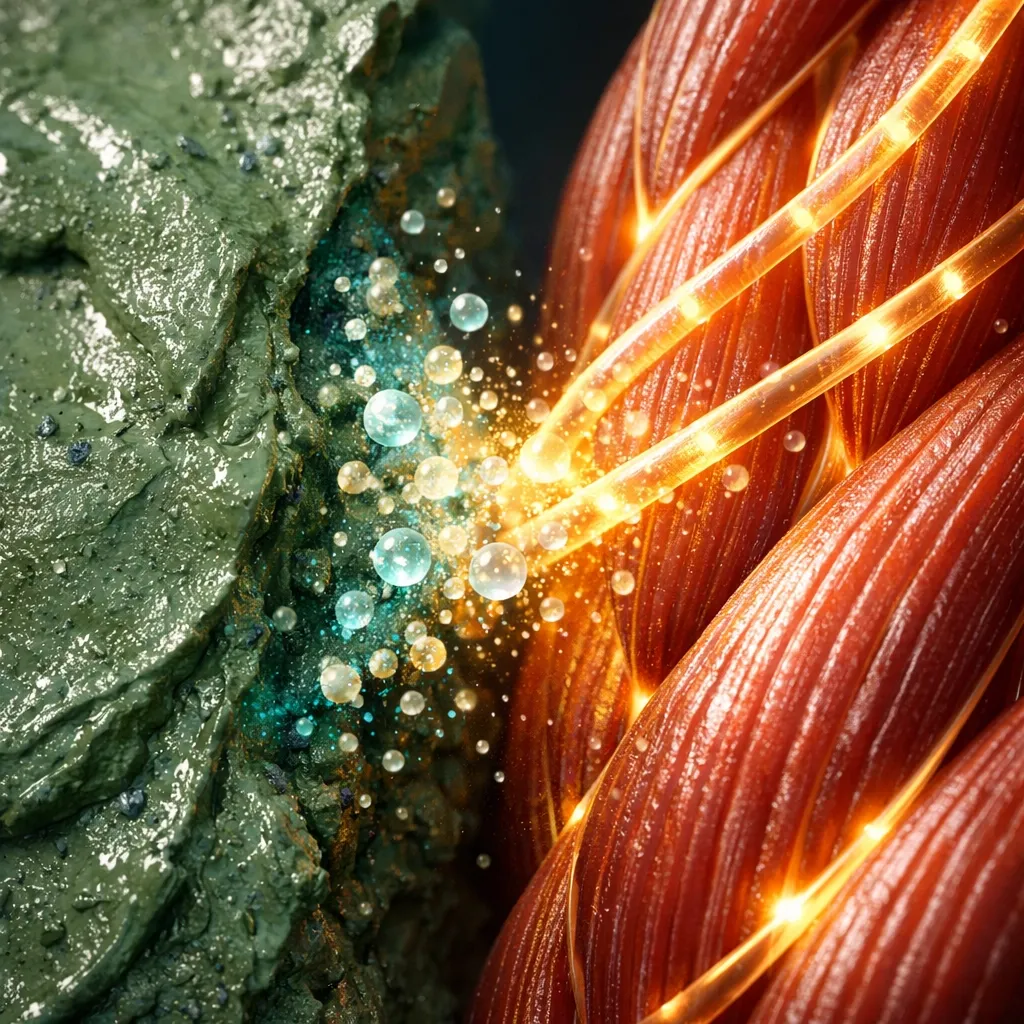
Muscle Recovery 101: Why Green Clay is a Game Changer
We’ve all been there. You finish a killer workout, maybe it was a heavy leg day, a long trail run, or an intense tennis match, and you feel like a champion.
Founder of Clayer, independent clay researcher
Green clay enthusiast and founder of Clayer. Writes practical, research-backed guides on cosmetic clays, skin care and natural wellness.
We’ve all been there. You finish a killer workout, maybe it was a heavy leg day, a long trail run, or an intense tennis match, and you feel like a champion.
If you’re a pro athlete, or even just someone who trains like one, you know the "morning after" feeling. It’s that stiff, heavy-limbed sensation where your muscles feel like they’ve been replaced by lead pipes.
If you’ve ever felt that sharp, electric zing or the constant, dull burning of nerve pain, you know it’s not just "discomfort." It’s exhausting. Whether it’s sciatica, carpal tunnel, or peripheral neuropathy, nerve pain can make simple tasks feel like climbing a mountain.
Hey there. If you’re reading this, you’re probably in the "recovery zone." Maybe you just had a procedure, or you're planning one, and the thought of relying solely on heavy-duty painkillers is a bit overwhelming.
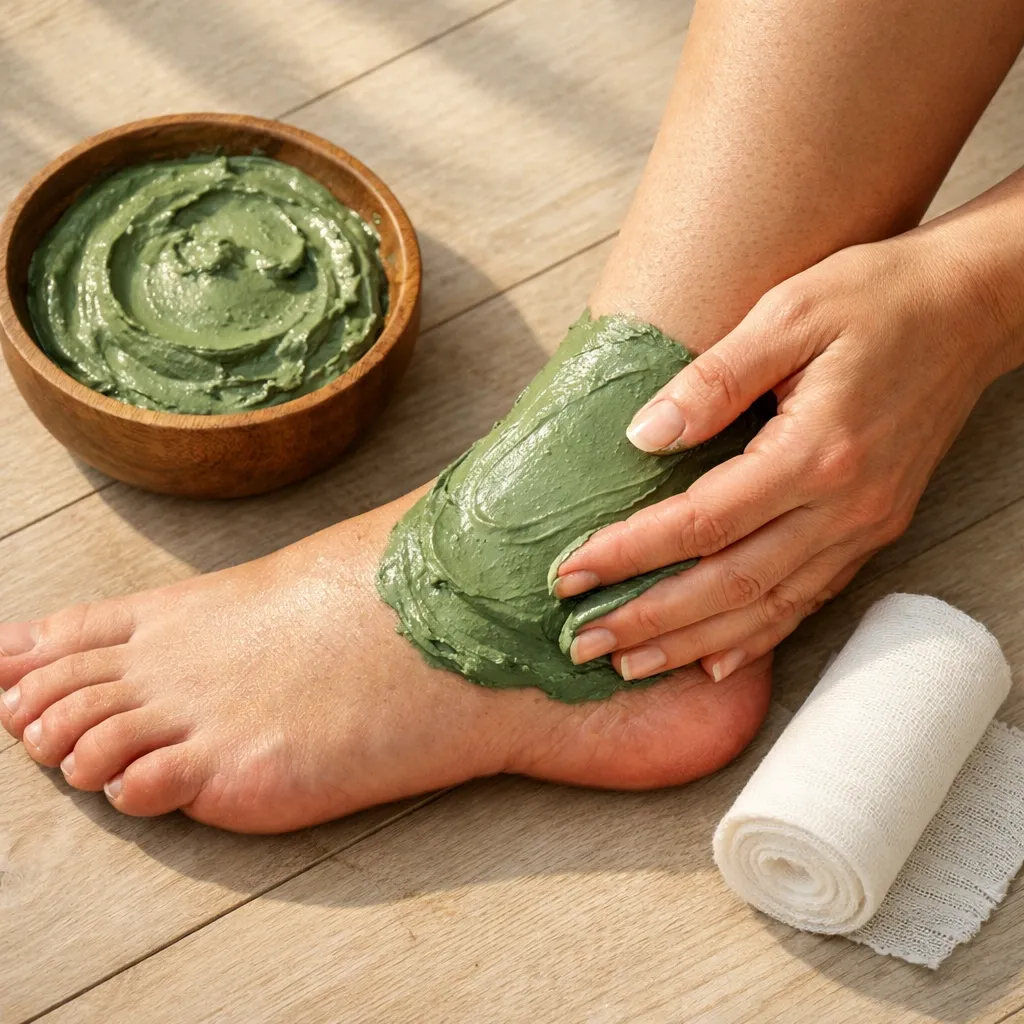
So, you rolled your ankle. Maybe it happened on a trail run, during a pickup basketball game, or: let’s be honest: just stepping off a curb the wrong way.
If you’ve ever played a sport, hit the gym a little too hard, or just woke up with a "mystery" neck kink, you’ve probably reached for that little hexagonal jar with the leaping tiger on it. Tiger Balm is a staple in medicine cabinets worldwide.
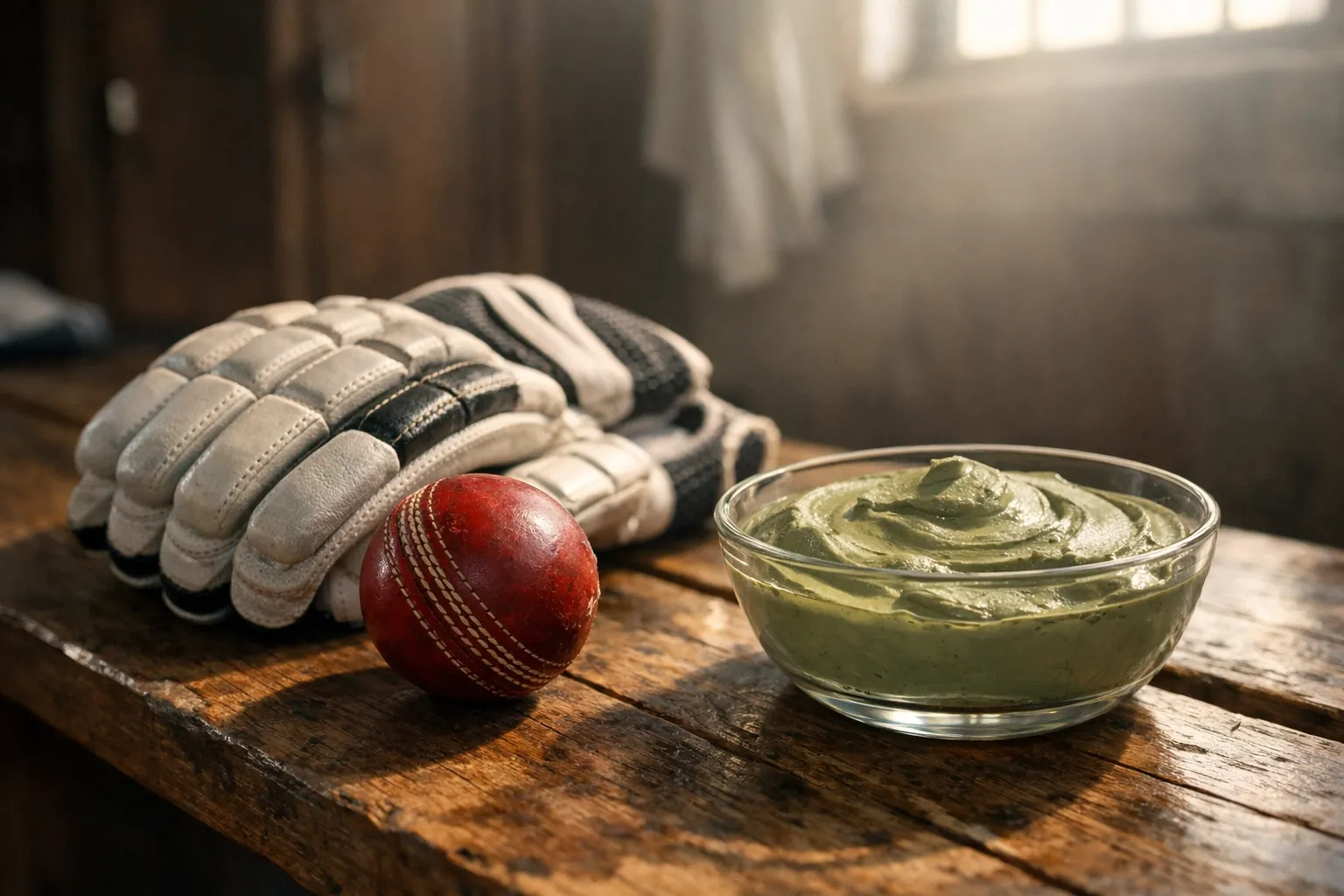
Cricket is a game of extreme endurance. Whether you are grinding through a five-day Test match or sprinting in a high-intensity T20, the physical toll is massive.
Rugby isn’t just a sport; it’s basically a high-speed game of human chess played inside a washing machine. Whether you’re a prop locking into a scrum or a winger taking a high-speed tackle on the touchline, your body takes a beating.
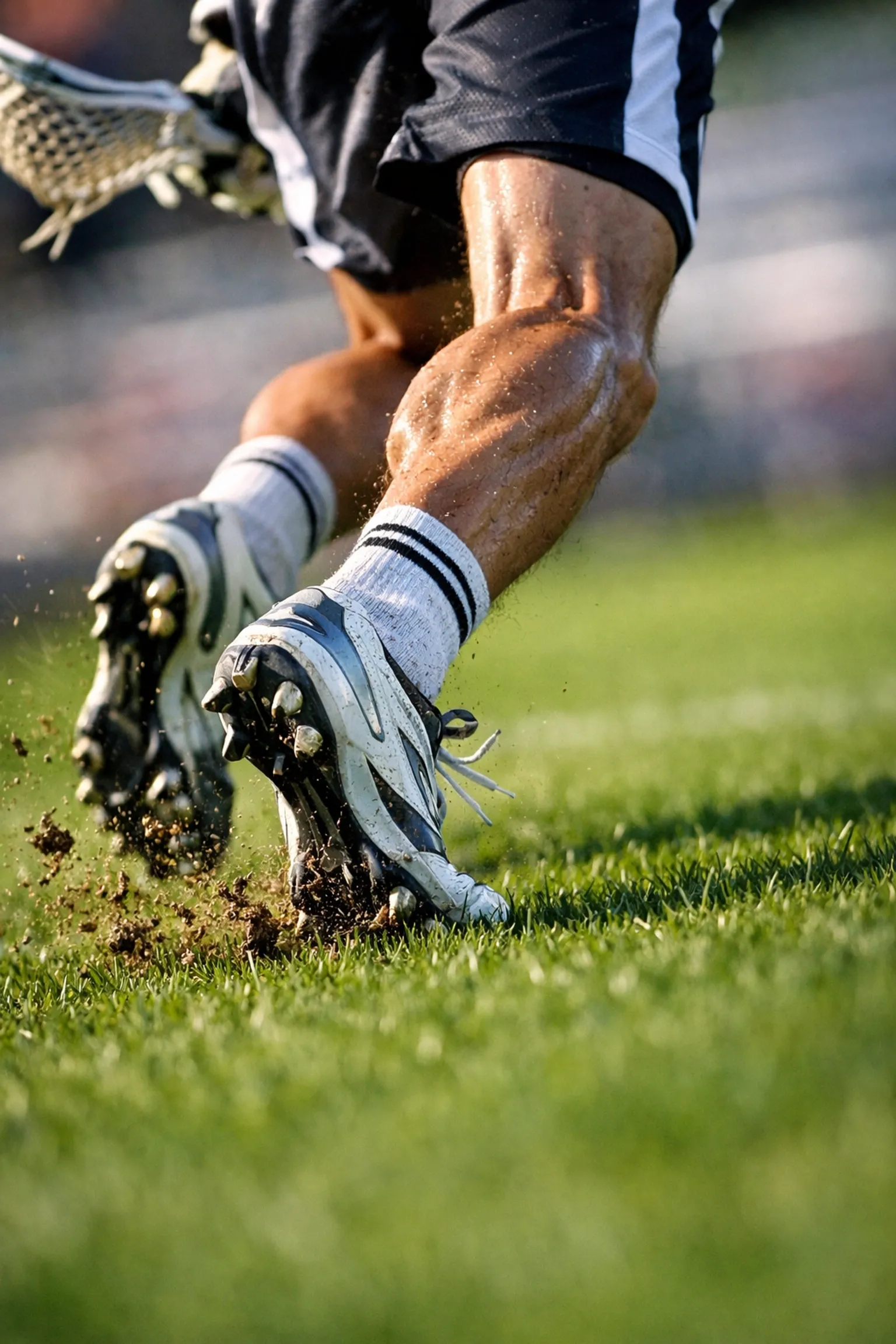
If you play lacrosse, you know it’s called the "fastest game on two feet" for a reason. Whether you’re a middie sprinting coast-to-coast, a defender sliding to the hole, or an attacker pulling off a split dodge, your body takes a beating.
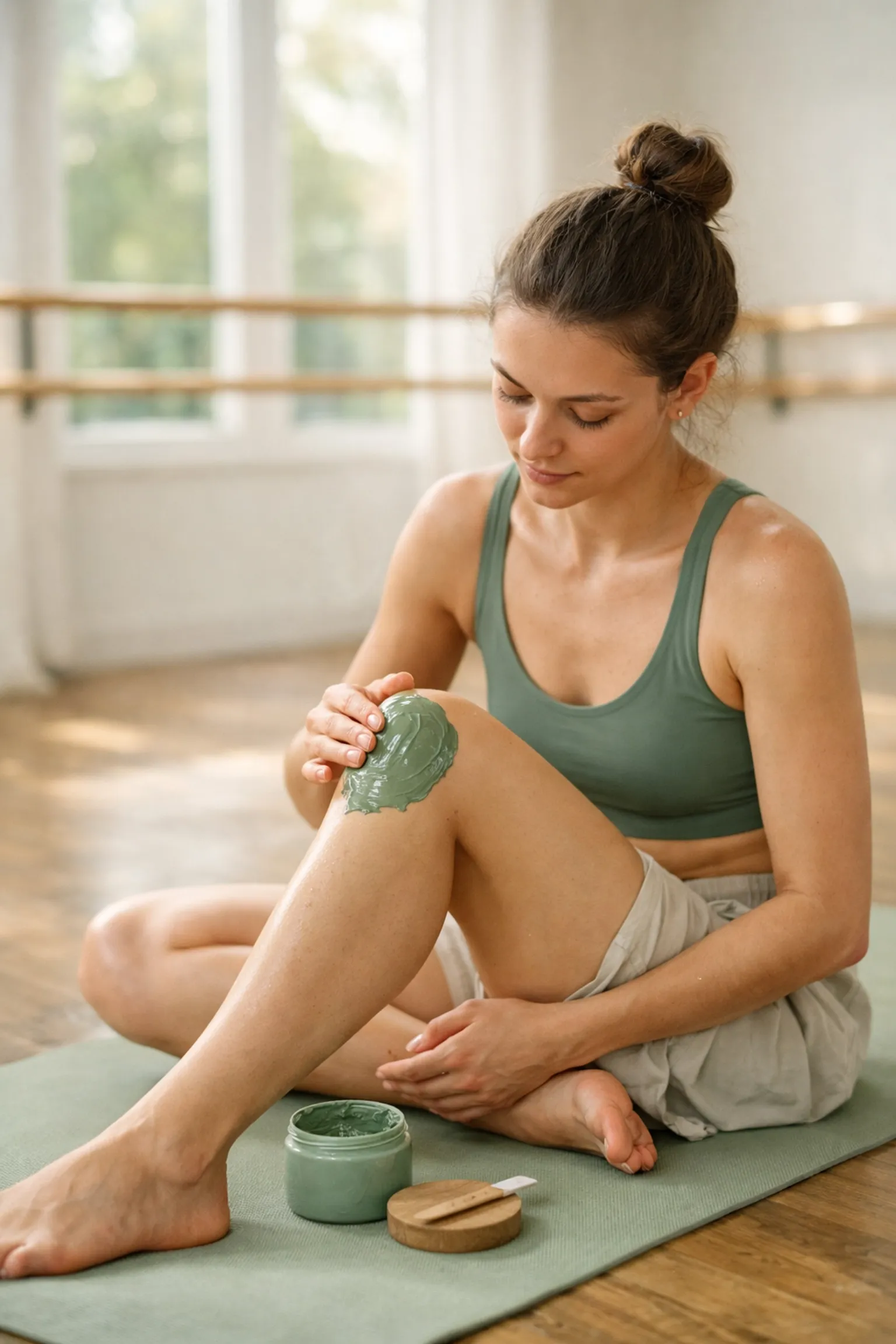
If you’re a dancer, your body isn't just a body, it’s your instrument. Whether you’re hitting the barre for the thousandth time, perfecting a contemporary floor sequence, or spending hours on pointe, you know the literal "grind" that happens to your joints and muscles.