French Green Clay for Daily Muscle Soreness
Ever wake up and feel like your body is made of lead? Maybe you hit the gym a little too hard, or maybe you just spent eight hours hunched over a laptop.
Guides everything you need to know about green clay on The Best Green Clay.
Ever wake up and feel like your body is made of lead? Maybe you hit the gym a little too hard, or maybe you just spent eight hours hunched over a laptop.
If you’ve ever dealt with a nagging sports injury, back pain, or just general muscle soreness, you’ve probably reached for a bottle of Biofreeze. It’s the "go-to" in many gym bags and medicine cabinets.
We’ve all been there. You finish a brutal leg day, or maybe you spent all weekend hunching over a laptop, and suddenly your lower back feels like it’s made of rusted gears.
So, you’ve done it. Whether you took a spill during a morning run, pushed a little too hard at the gym, or just tripped over the dog, your wrist is now throbbing, swollen, and definitely not happy.
So, you’ve just come out of surgery. First off, take a deep breath, you did the hard part.
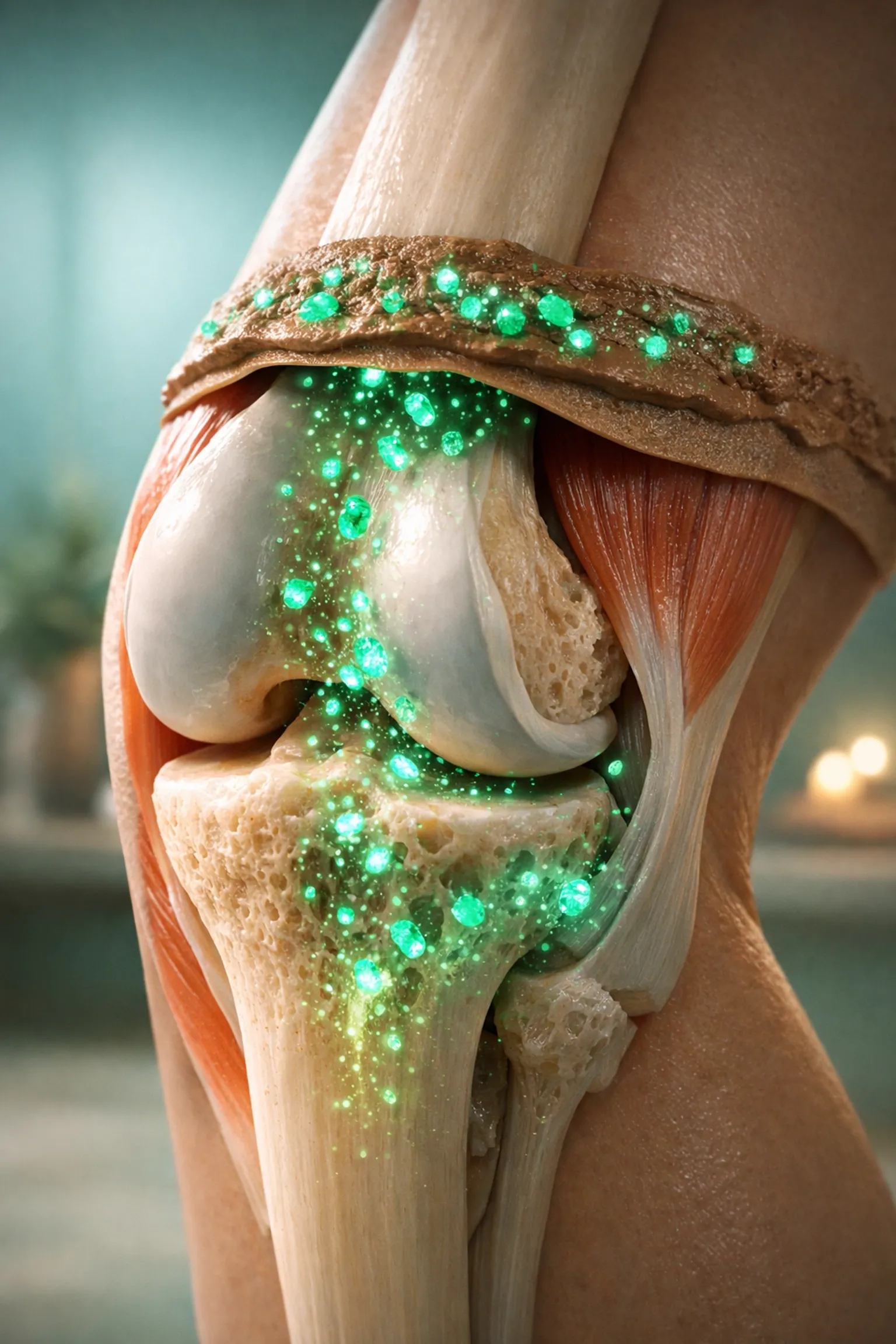
If you’ve ever felt that sickening "pop" or sudden twist in your knee followed by immediate swelling, you know exactly how frustrating a sprained knee can be. Whether it happened on the soccer field, during a morning jog, or just a clumsy trip over the dog, a sprain sidelines you.
We’ve all been there. You finish a workout, or maybe you just slept weird, and your back is screaming.
If you’ve ever dealt with a nagging back ache, a sore knee, or that post-workout muscle burn that makes walking down stairs feel like a feat of strength, you’ve probably reached for a topical pain reliever. For years, the go-to has been Biofreeze.
So, you’ve done it. Maybe you tripped over the dog, pushed a little too hard at the gym, or took a tumble while hiking.
If you’ve recently gone under the knife for a knee procedure: whether it was a meniscus repair, an ACL reconstruction, or a total knee replacement: you know the drill. The first few weeks are all about managing the "Big Three": pain, swelling, and stiffness.