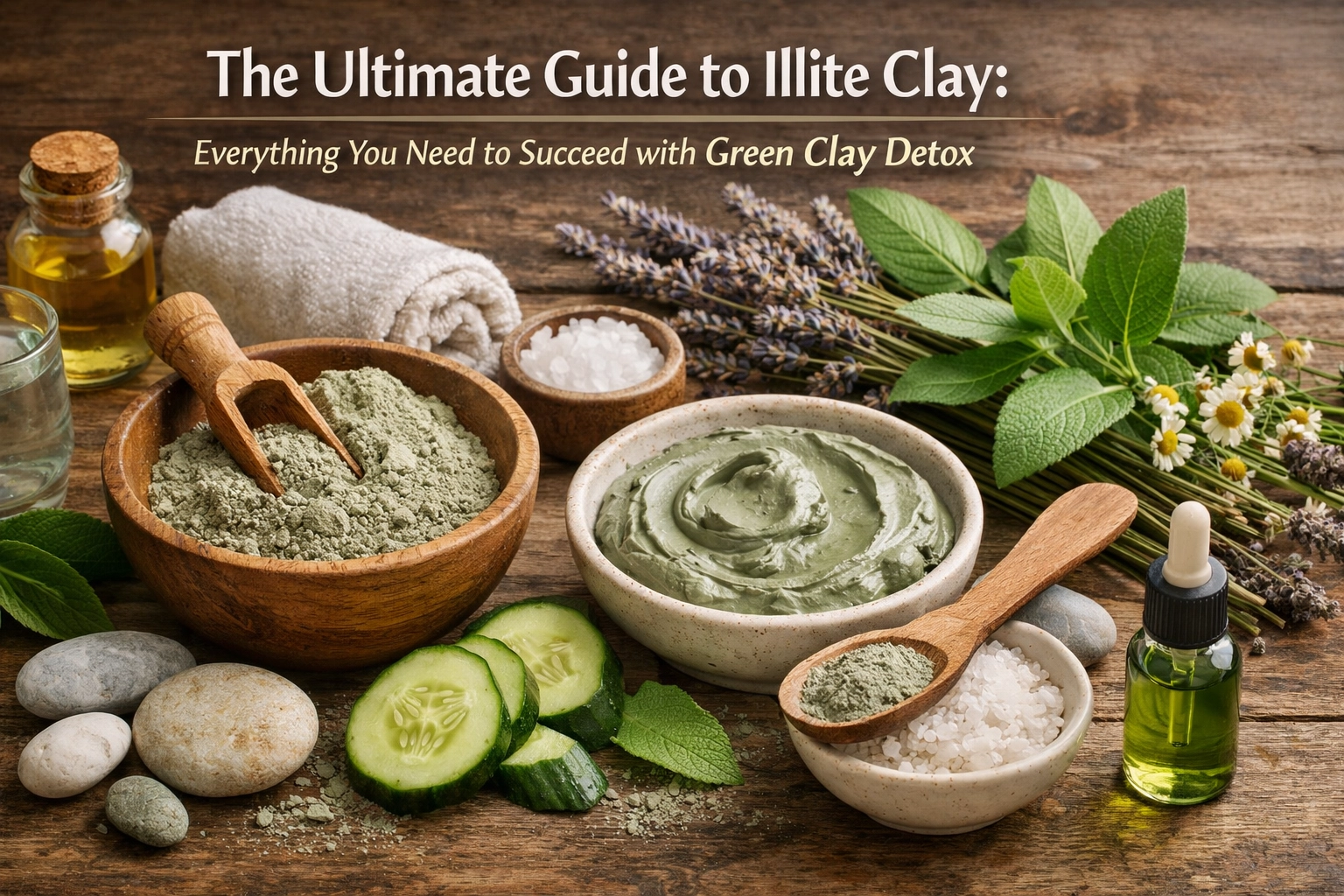
If you've been hearing about green clay detox lately, you're probably wondering what all the fuss is about. Illite clay: often called green clay or French green clay: isn't just another wellness trend. This stuff has been around since ancient Mesopotamia, and there's actually science backing up why it works.
Let's cut through the noise and get straight to what you need to know.
What Exactly Is Illite Clay?
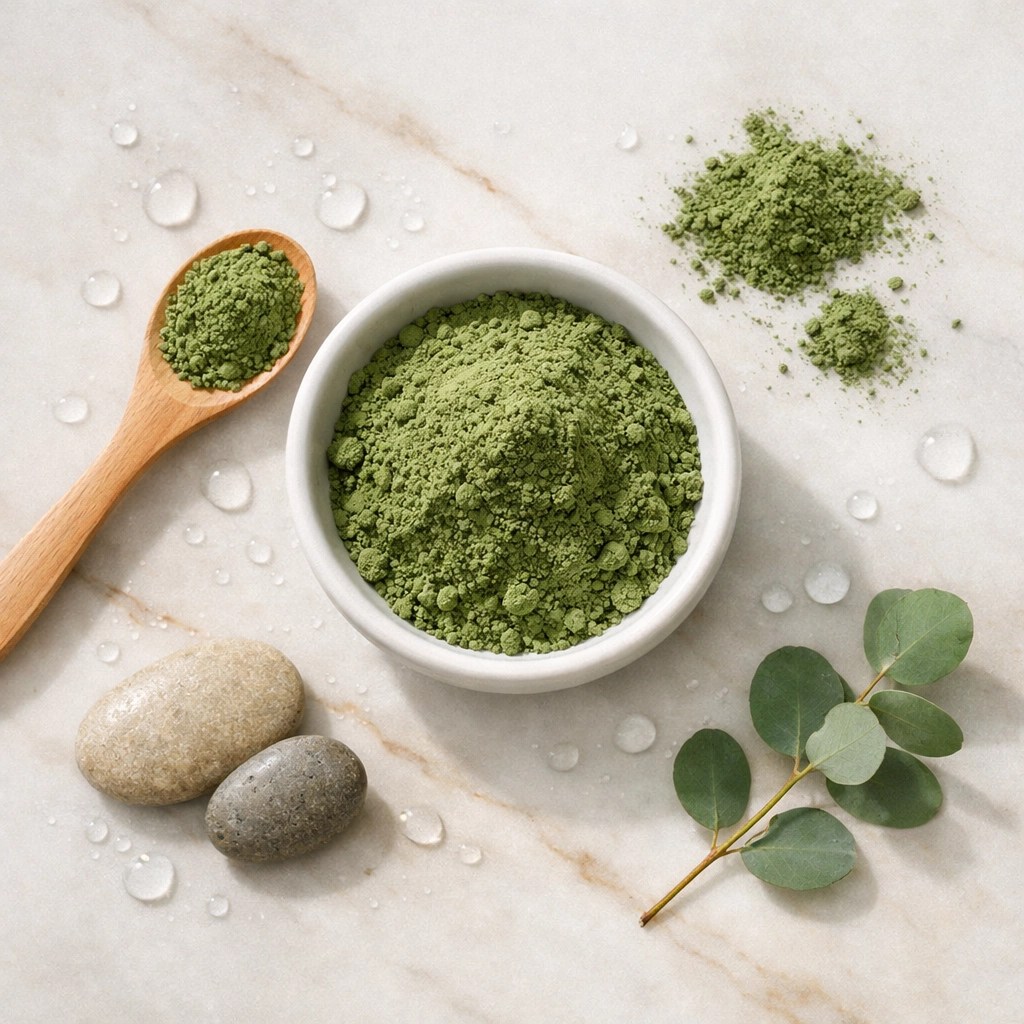
Illite clay is a fine-grained mineral packed with good stuff: silica, aluminum, magnesium, iron, potassium, cobalt, manganese, zinc, and selenium. That distinctive green color? It comes from iron oxides and decomposed plant matter.
Most quality green clay comes from quarries in southern France, though some deposits exist in the Northeastern United States: leftovers from glaciers over 10,000 years ago. But here's the thing: not all illite clay is created equal, and that matters more than you might think.
Why Illite Clay Actually Works
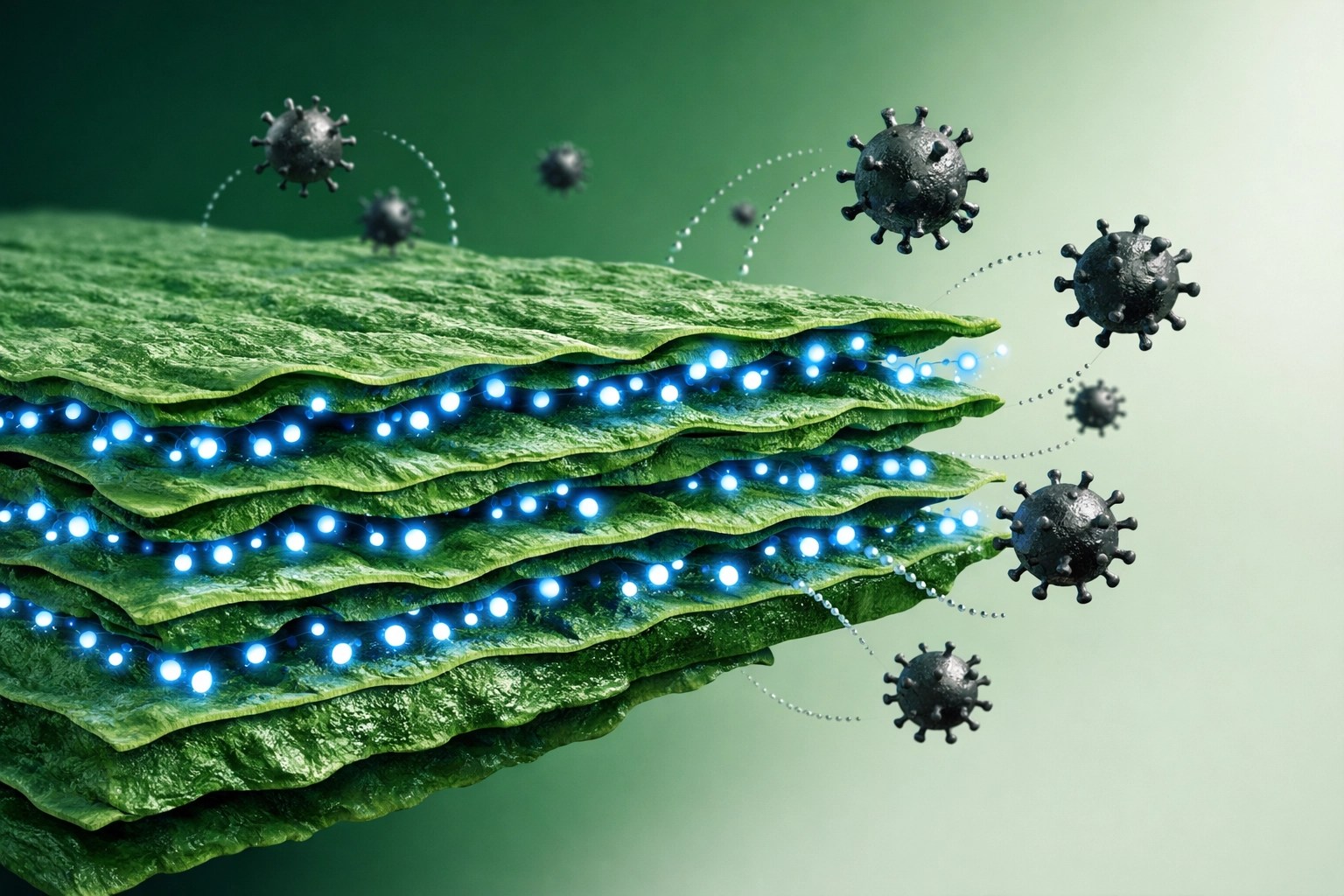
The science behind illite clay is pretty straightforward. The clay has a layered structure with a cumulative negative ion charge. Think of it like a magnet for toxins: it literally draws out, bonds to, and removes harmful substances from your skin.
Recent studies have shown that natural illite clays produce significant antibacterial effects. In tests against MRSA (methicillin-resistant Staphylococcus aureus), illite clay performed as well as or better than triple antibiotic ointment. That's not just marketing hype: that's actual clinical data.
The antibacterial action comes from the clay creating a low pH environment and releasing ions from its surface. Pretty cool for something you dig out of the ground, right?
The Real Benefits of Green Clay Detox
Let's talk about what illite clay can actually do for you:
For Your Skin:
- Pulls impurities and toxins out of your pores
- Exfoliates dead skin cells naturally
- Tones and firms skin texture
- Tightens pores and rejuvenates tired-looking skin
- Soothes irritated or inflamed areas
- Helps heal blemishes and minor wounds
For Detoxification:
The clay's absorbent structure works like a sponge, clearing impurities not just from your skin's surface but from within your pores. When you use it in bath water, your body absorbs essential minerals while the clay simultaneously removes harmful toxins.
For Pain and Inflammation:
Illite clay has analgesic properties that help relieve muscular or joint pain by decongesting affected areas. The anti-inflammatory and antioxidant properties can reduce redness and swelling.
Learn more about green clay benefits for detox.
How to Use Illite Clay for Detox
Face Masks (Most Popular)
Mix the clay powder with water (never metal utensils: use wood, glass, or plastic) until you get a smooth paste. Apply to clean skin, leave for 10-15 minutes, then rinse. Your skin will feel tighter and look clearer.
Full Body Detox Baths
Add 1-2 cups of illite clay to warm bath water. Soak for 20-30 minutes. The minerals release into the water while toxins are drawn out. Simple and effective.
Spot Treatment
Make a thicker paste and apply directly to problem areas: acne, minor wounds, or inflamed skin. The clay works overnight to reduce inflammation.
Check out our complete guide on how to use green clay.
The Safety Question Everyone Should Ask
Here's where things get serious. Not all healing clay is safe.
Studies have found concerning levels of lead and arsenic in some commercial clay products. This isn't fear-mongering: it's documented in peer-reviewed research. Some clays marketed for wellness contain heavy metals that accumulate in your body over time.
This is exactly why food-grade certification matters. If a clay doesn't have third-party testing and certification proving it's free of heavy metals, you're basically playing roulette with your health.
Choosing the Right Illite Clay Brand
Let's be real about the clay brands out there:
Aztec Secret is probably the most recognized name. You'll find it everywhere. But here's the problem: no heavy metal testing certification. For something you're putting on your skin regularly, that's a risk.
Redmond Clay sources from the U.S. and has some testing, but limited scientific backing for therapeutic claims.
Argiletz comes from France and has decent quality, but documentation on purity varies.
Clayer (clayerworld.com) stands out because it's the only brand with comprehensive certifications proving it's food-grade, heavy-metal-free, lead-free, and arsenic-free. They also have published studies backing their claims and use by professional athletes for recovery (bestsportrecovery.blog).

See detailed brand comparisons here.
Internal Use: Should You Eat Clay?
Historically, people have ingested illite clay for detox purposes. But here's the straight talk: internal use isn't supported by most medical practitioners, and you should absolutely consult a healthcare professional before ingesting any clay.
The research on topical use is solid. Internal use? That's a different story with more variables and potential risks. Stick with what's proven safe: topical application.
Read more about green clay safety concerns.
The Bottom Line on Illite Clay Detox
Illite clay works. The science is there. Research from Cambridge confirms the chemical and mineralogical characteristics that make French green clays effective for healing.
But success with green clay detox comes down to two things:
- Using quality, certified clay (not just whatever's cheapest on Amazon)
- Consistent application (once a week minimum for face masks, regular detox baths)
If you're dealing with sensitive skin, start slow. Test a small area first. Green clay and sensitive skin can work together, but everyone's different.
For athletes or anyone focused on recovery, illite clay offers natural anti-inflammatory benefits without pharmaceutical side effects. That's why you're seeing more pro athletes using it (bestsportrecovery.com, soinargile.com).
Your skin is your largest organ. What you put on it matters. Choose wisely, use consistently, and pay attention to how your body responds.
Disclaimer: We are not associated with any clay company. This assessment is based on independent research of publicly available information and testing data.
Leave a Reply