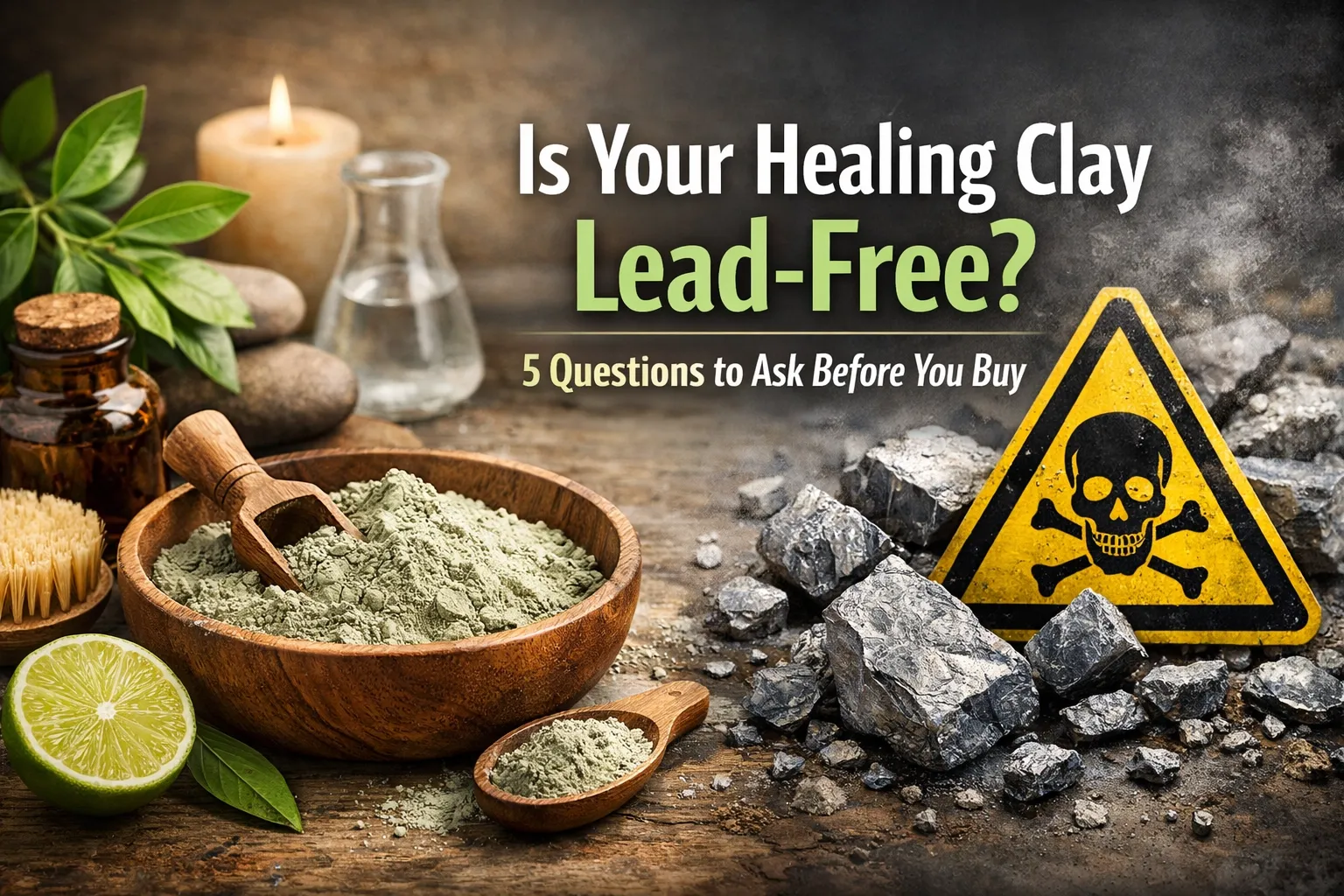
Is Your Healing Clay Lead-Free? 5 Questions to Ask Before You Buy
You're standing in the wellness aisle, looking at a jar of healing clay. The label says "pure," "natural," and "detoxifying." Sounds perfect, right?
Founder of Clayer, independent clay researcher
Green clay enthusiast and founder of Clayer. Writes practical, research-backed guides on cosmetic clays, skin care and natural wellness.
You're standing in the wellness aisle, looking at a jar of healing clay. The label says "pure," "natural," and "detoxifying." Sounds perfect, right?
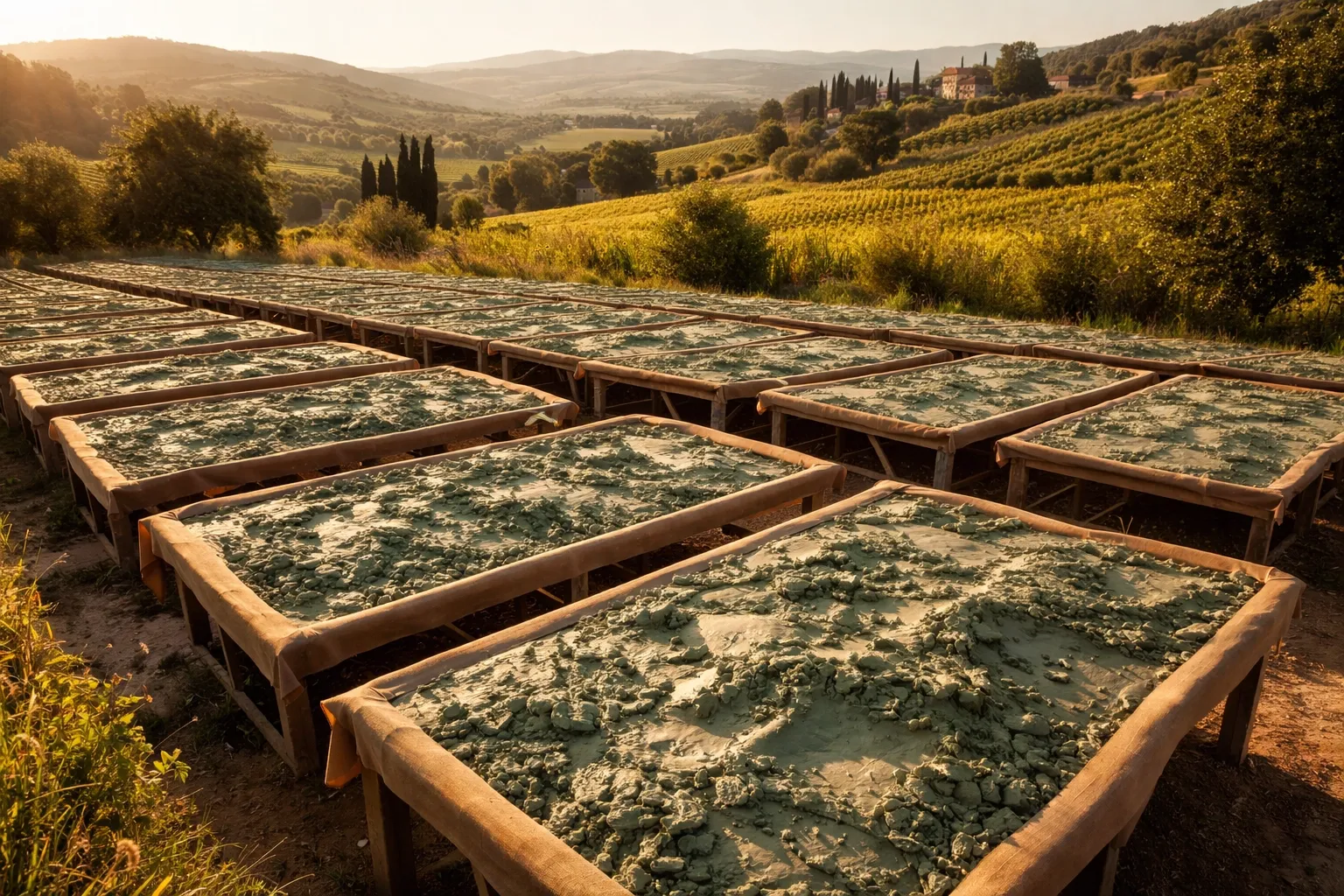
You've probably seen French green clay in face masks, but have you ever wondered what actually makes it work? It's not magic: it's minerals.
If you've been looking into healing clays for internal detox, you've probably come across two major types: calcium bentonite and sodium bentonite. While both come from volcanic ash deposits, they're actually quite different when it comes to safety for internal use.
Not all green clay is created equal. You might think clay is just...
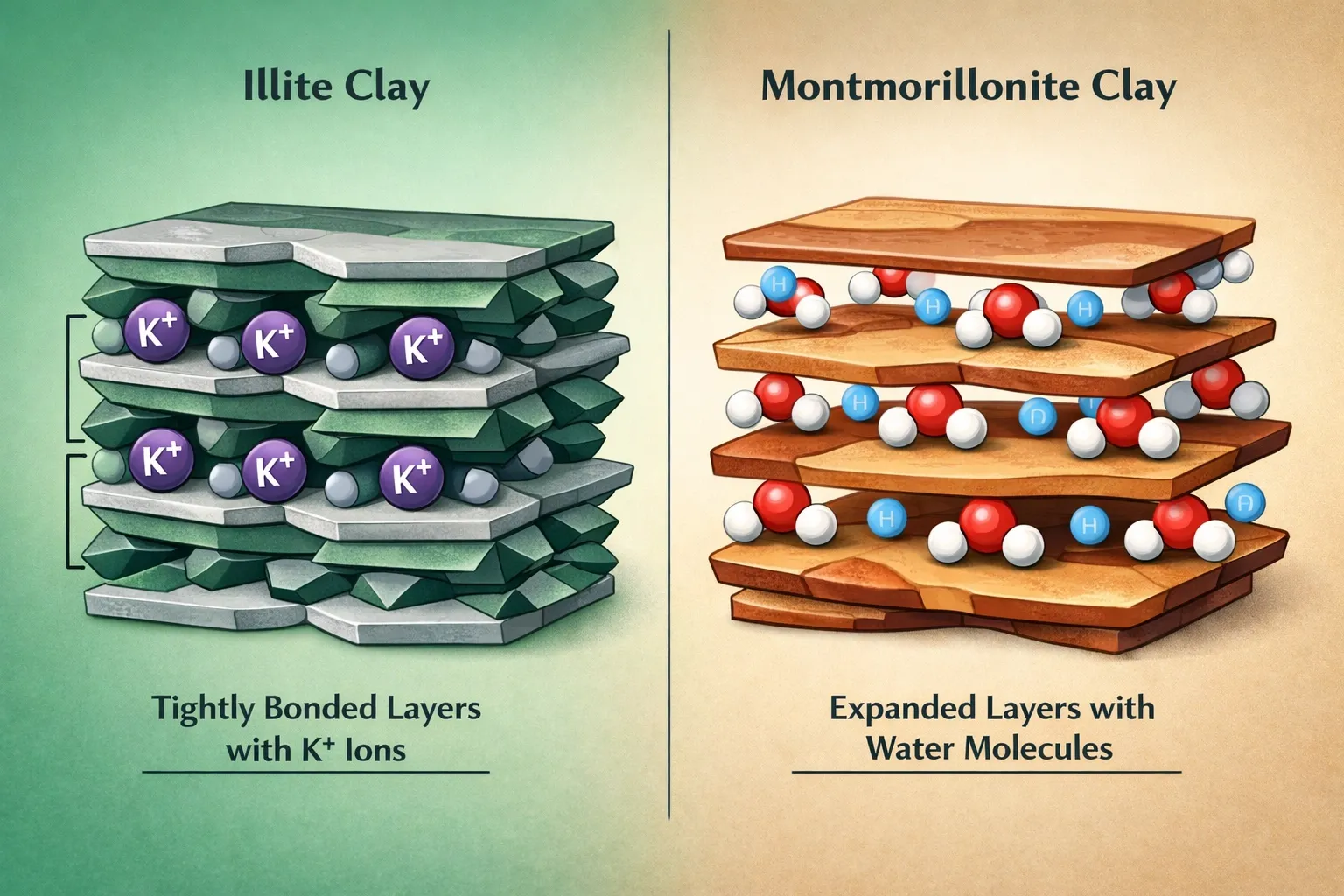
If you've ever looked at the back of a clay mask or healing clay product, you've probably seen terms like "illite" and "montmorillonite" thrown around. Maybe you've wondered: what's the difference?
If you've been scrolling through skincare TikTok or reading beauty forums lately, you've probably noticed everyone talking about green clay masks. And honestly?
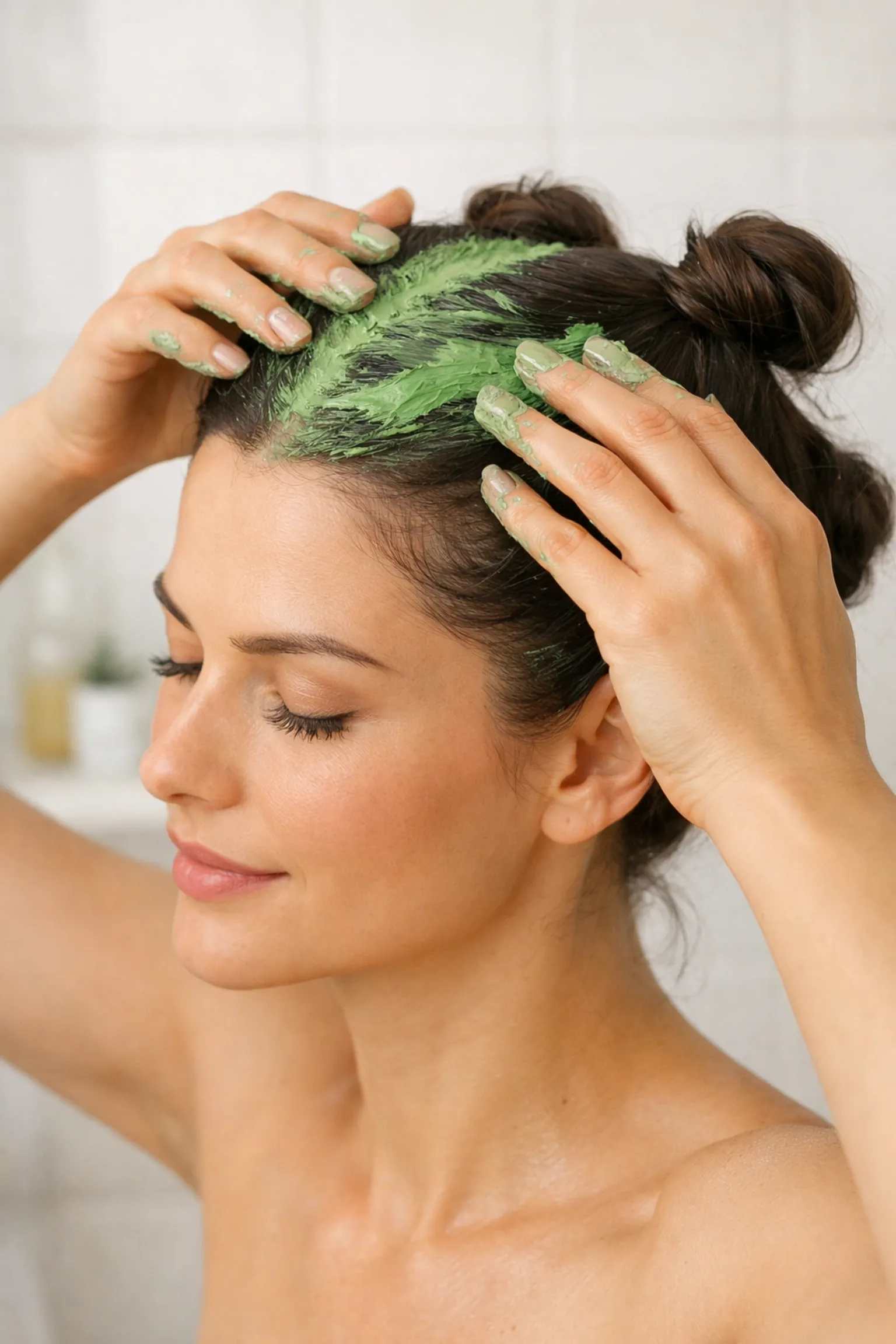
Your hair collects a lot of junk. Product buildup, environmental pollutants, excess oils, hard water minerals: it all accumulates on your scalp and strands over time.
Professional athletes deal with intense physical demands every single day. Training sessions, competitions, and constant pressure on muscles and joints mean recovery isn't optional: it's essential.
You've probably seen healing clays everywhere: face masks, detox drinks, body wraps. But here's something most people don't realize: not all clays are created equal, and using non-food grade clay can expose you to some serious health risks.
If you've got sensitive skin, you already know the struggle. One wrong product and boom: redness, irritation, maybe even a breakout.