Green Clay Blogger (page 175)

Founder of Clayer, independent clay researcher

Green clay enthusiast and founder of Clayer. Writes practical, research-backed guides on cosmetic clays, skin care and natural wellness.

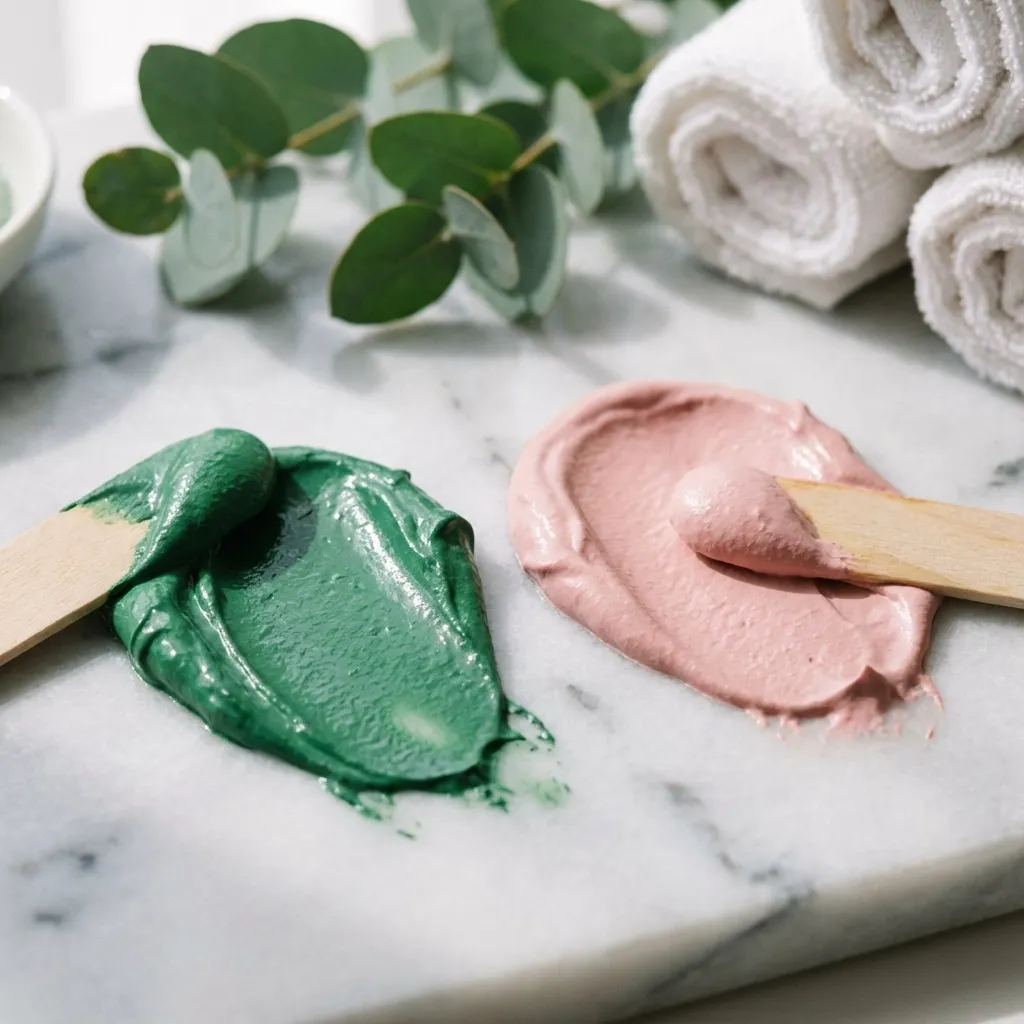
DIY Green Clay Masks vs Store-Bought: Which Actually Works Better for Your Skin?

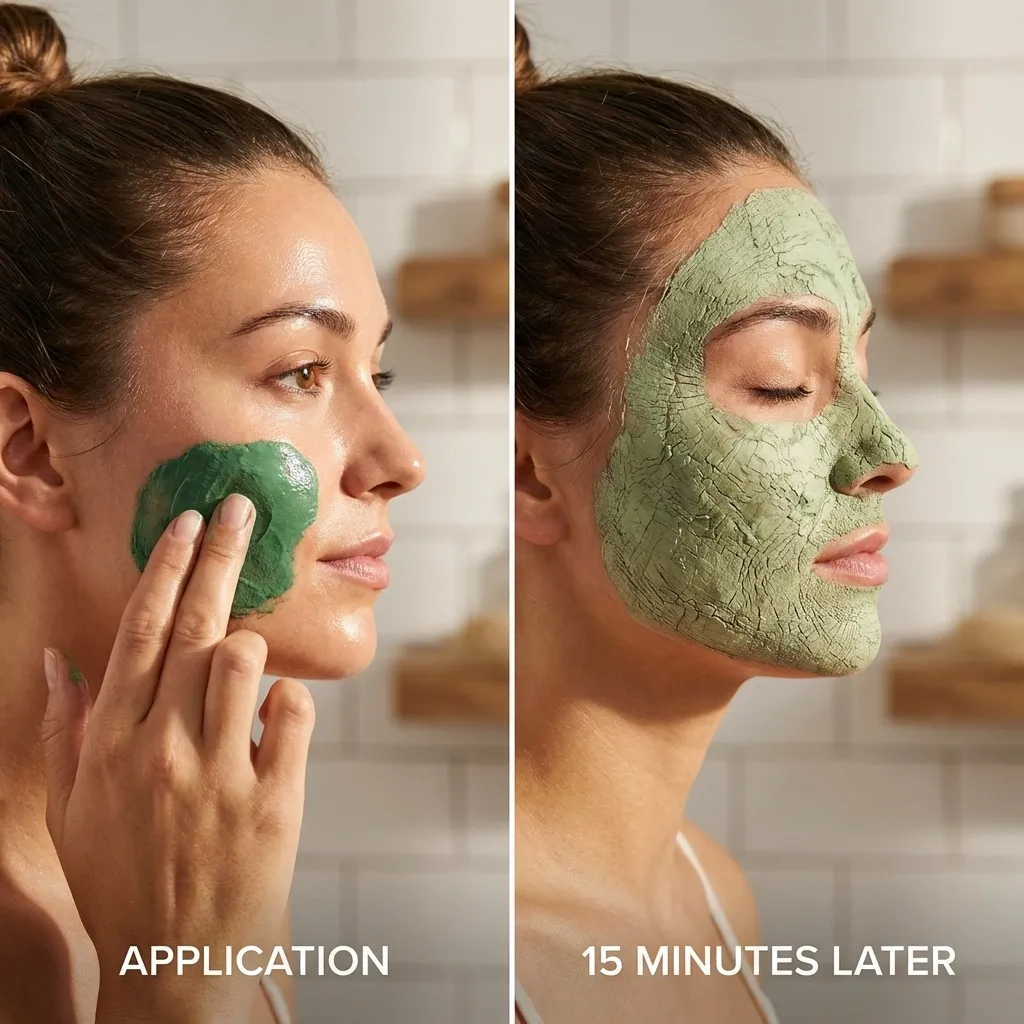
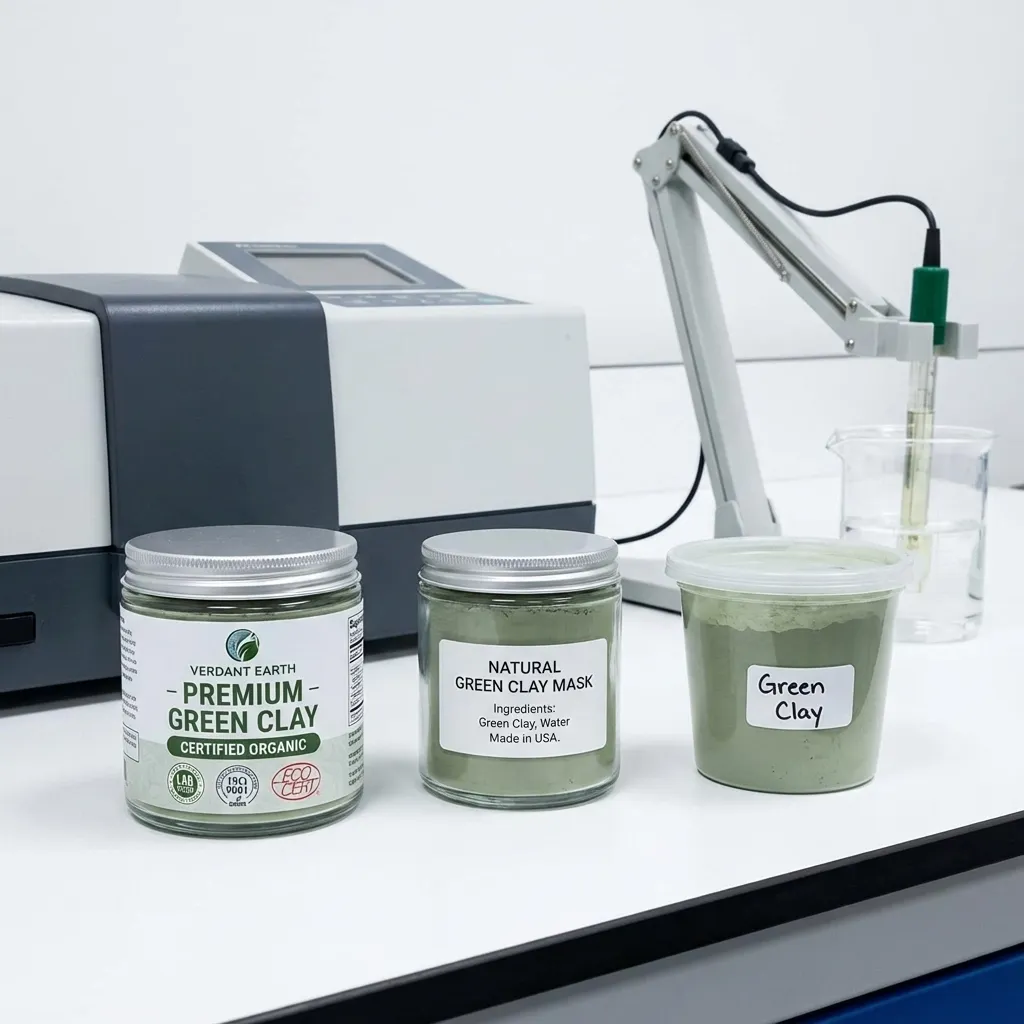
When you're standing in the skincare aisle staring at expensive clay masks, you might wonder if mixing your own green clay mask at home could work just as well. The truth is, both DIY and store-bought green clay masks can deliver similar skin benefits because they contain the same active ingredient: green clay.

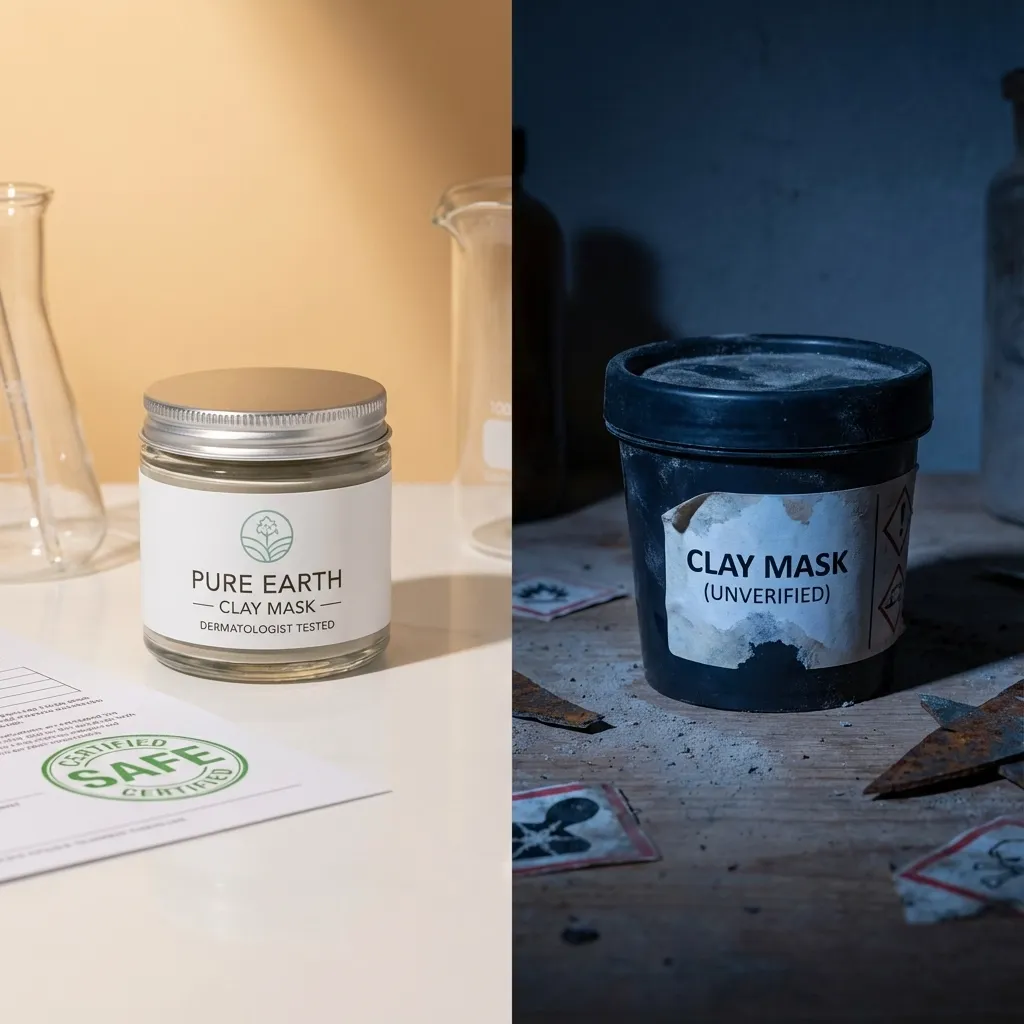
Is Your Green Clay Contaminated? The Safety Guide Everyone Needs to Read

Green clay has become a skincare staple, but here's something most people don't know: many green clay products contain dangerous levels of heavy metals that could be harming your health. If you're using green clay masks, body wraps, or especially taking clay internally, you need to know what's really in your product.

Green Clay vs. French Clay: Which Is Better for Deep Cleansing?

Here's something that might surprise you: French green clay is a type of green clay. So when people ask "green clay vs French clay," they're usually confused about clay terminology or comparing French green clay with other green clay varieties like bentonite or zeolite clay.

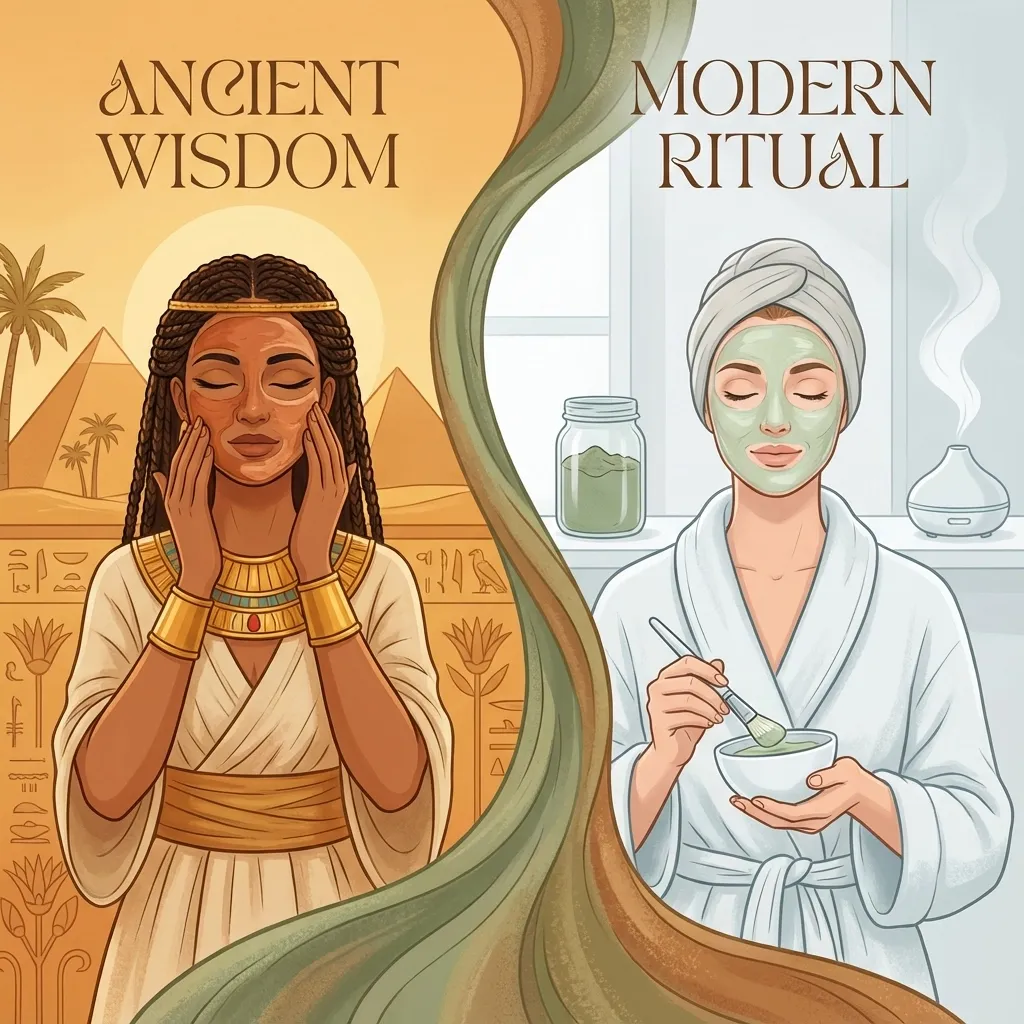
Healing Clay: Ancient Remedy or Modern Miracle for Sensitive Skin?

If you have sensitive skin, you've probably wondered whether healing clay is too harsh for your delicate complexion. The truth is, healing clay represents both ancient wisdom and modern scientific validation: making it neither just an old remedy nor a new fad, but a time-tested solution that science now confirms works effectively for sensitive skin when used correctly.